
Free written scope consultation - allowances, timeline, and change-order rules on paper before a single trade is scheduled
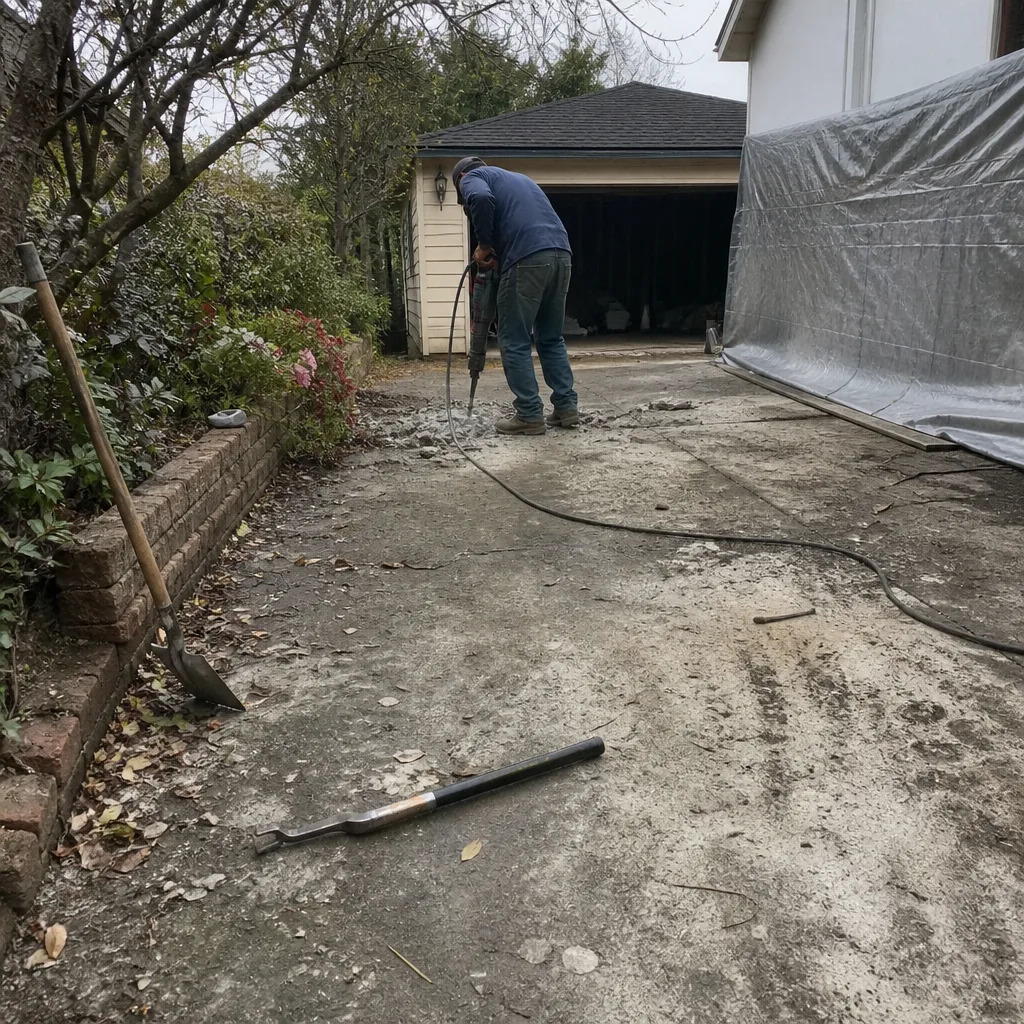 Before
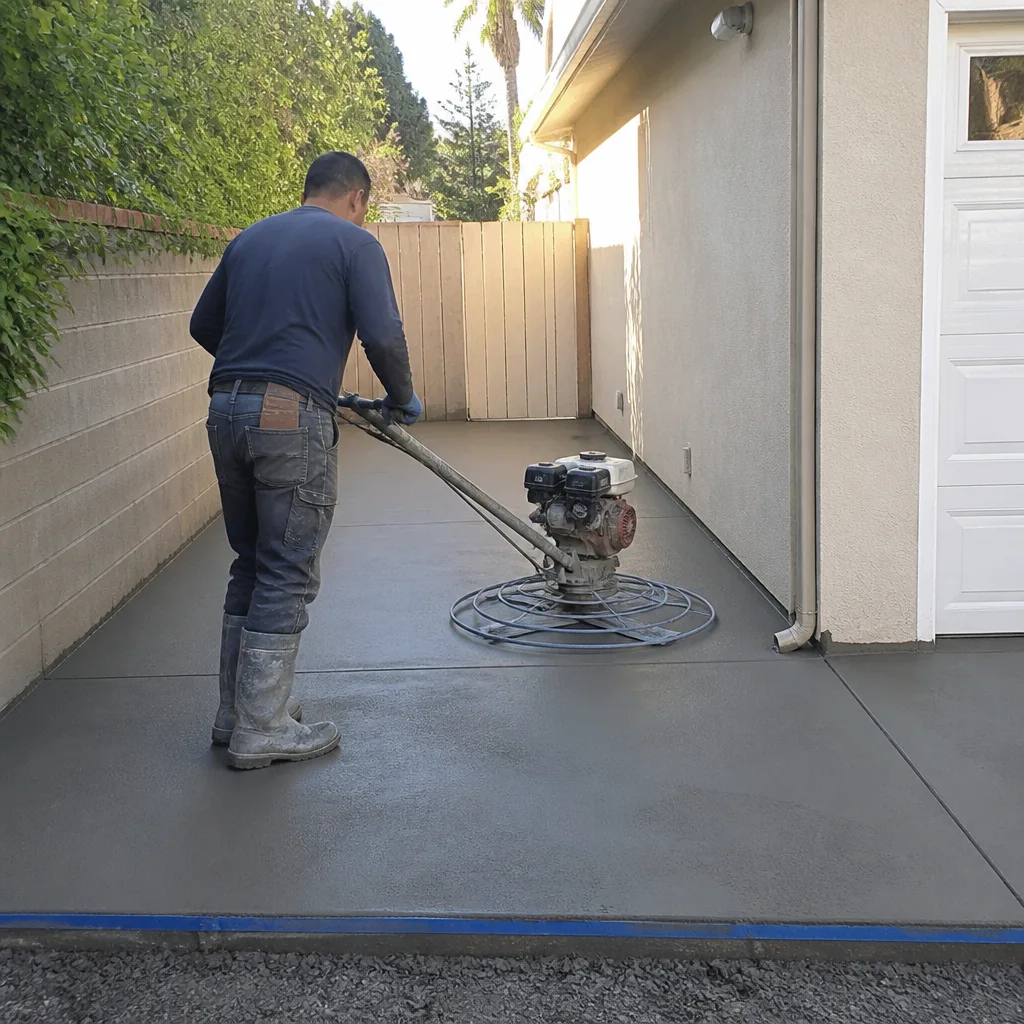 After
After Before
 After
AfterHow Much Does Cabinet Installation Cost in Pasadena?
Cabinet installation in Pasadena, CA typically runs $4,000 to $13,000 for a standard kitchen, depending on cabinet type, linear footage, and whether existing cabinets need to come out first. Most Pasadena homeowners land between $6,000 and $9,500 when replacing a full set of semi-custom cabinets in a kitchen of 150 to 200 square feet. Get a flat written price from Rowan Construction Group before any work starts – call (562) 203-4508 for a free estimate.
Cabinet Installation Cost Breakdown (2026)
Cabinet installation in Pasadena breaks down into a few distinct cost buckets. Labor is the most variable one – Pasadena’s building trades run higher than the Inland Empire, and older homes in neighborhoods like San Rafael Hills or the Bungalow Heaven historic district often have walls that aren’t perfectly plumb, which adds fitting and shimming time. Here’s what to expect across the main line items:
| Cost Item | Typical Range (Pasadena, 2026) |
|---|---|
| Stock cabinets (materials only) | $80 – $200 per linear foot |
| Semi-custom cabinets (materials only) | $150 – $350 per linear foot |
| Custom cabinets (materials only) | $300 – $600+ per linear foot |
| Labor – standard installation | $50 – $110 per linear foot |
| Old cabinet removal and haul-off | $200 – $600 |
| Wall prep, patching, shimming | $150 – $500 |
| Hardware (pulls, hinges, soft-close) | $100 – $600 |
| Crown molding or trim finish | $200 – $800 |
| Full kitchen cabinet installation (all-in) | $4,000 – $13,000 |
A typical Pasadena kitchen with 20 to 25 linear feet of cabinetry, semi-custom boxes from a brand like KraftMaid or Wellborn, and standard labor lands in the $6,000 to $9,500 range. The lower end of the $4,000 to $13,000 window reflects a smaller galley kitchen with stock boxes and no removal work. The upper end reflects a larger L- or U-shaped layout with full-overlay custom doors, soft-close hardware throughout, and a crew spending the better part of two days getting walls plumb and scribing to uneven surfaces – which is common in Pasadena’s older Craftsman and Spanish Colonial homes, where nothing is at a perfect right angle.
If you’re also budgeting countertops, countertop installation in Pasadena runs $2,000 to $6,500 separately, and a backsplash typically adds another $800 to $2,500. A kitchen island, if it’s on your list, adds $3,000 to $10,000 depending on whether it’s a prefab base or a built-in with plumbing and electrical rough-in. Those numbers won’t shift based on who you ask – they reflect the Pasadena subcontractor market in 2026, not a national average.
What Affects Cabinet Installation Pricing in Pasadena
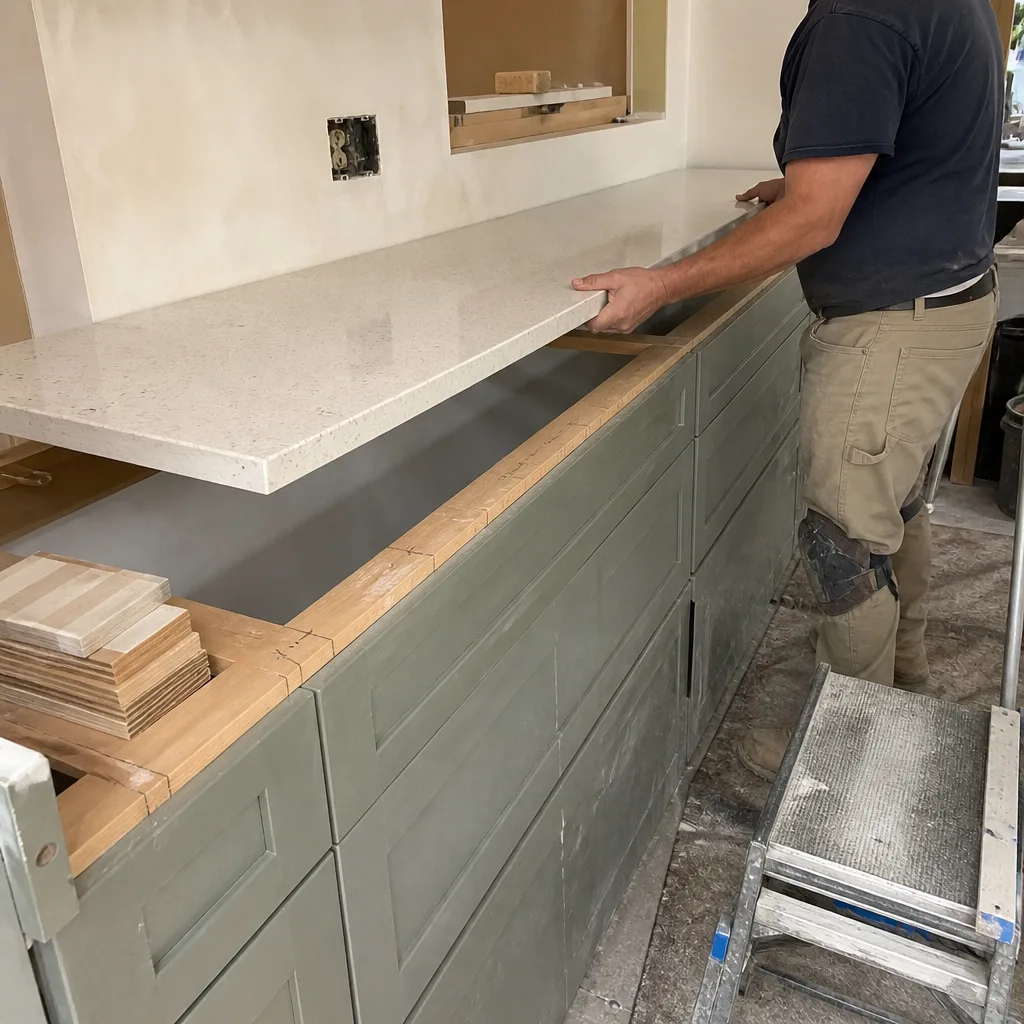
No two cabinet projects in Pasadena price out the same way. Here are the six factors that move the number most, with local context for each:
- Cabinet grade and construction: Stock cabinets (pre-built, limited sizes) cost the least. Semi-custom (built to order in standard increments, wider style selection) sit in the middle. Full custom (built to your exact dimensions and spec) carry the highest price. For a Pasadena kitchen remodel, most homeowners choose semi-custom – it gives enough flexibility to work around the odd window placement or door clearance issue that older homes create, without the lead time and cost of fully custom work.
- Linear footage: This is the most direct cost driver. A 12-linear-foot galley kitchen costs roughly half what a 24-foot L-shape kitchen costs, all else equal. Measure the wall space you’re covering – upper cabinets, lowers, and any pantry column – and that number tells you a lot about where in the $4,000 to $13,000 range you’ll fall.
- Existing cabinet removal: If the old cabinets are coming out, add $200 to $600 for removal and haul-off. Some Pasadena homes have tile backsplashes or plaster walls behind the cabinets that need patching after removal, which adds both time and material cost.
- Wall and structural conditions: Pasadena’s housing stock skews older – many homes in Hastings Ranch, Prospect Park, and Madison Heights were built between the 1920s and 1950s. Walls are often out of plumb, and stud spacing doesn’t always follow modern convention. Scribing filler pieces, shimming boxes level, and finding solid anchor points takes more time in these homes than in a new build. Budget for it rather than be surprised.
- Hardware and accessories: Soft-close hinges and drawer slides, pull-out shelves, lazy Susans, built-in trash pull-outs, and under-cabinet lighting all add to the final number. Hardware alone can range from $100 for basic pulls on a stock kitchen to $600 or more on a semi-custom build with soft-close on every drawer and door.
- Finish carpentry and trim: Crown molding to the ceiling, light rail molding at the bottom of uppers, scribe molding where cabinets meet walls – these finishing details add $200 to $800 and are what separate a cabinet installation that looks installed from one that looks built-in. In Pasadena’s higher-end neighborhoods around Linda Vista and Chapman Woods, buyers expect that finish, and it shows at resale.
 Before
 After
AfterCabinet Type: Stock vs. Semi-Custom vs. Custom
The cabinet grade decision shapes everything else – the timeline, the lead time, and the total cost. Here’s how the three options play out for Pasadena homeowners specifically.
Stock Cabinets
Stock cabinets ship from a warehouse in fixed sizes, typically 3-inch increments. They’re the fastest to get and the cheapest to buy. Brands at this level include the builder-grade lines you’d find at a big-box store. The trade-off is that your kitchen has to work around the available sizes, which means filler strips to close gaps – and in a Pasadena kitchen where you’re working around an older window, a chimney chase, or an awkward soffit, filler strips can start to look patched rather than planned. For a modest galley kitchen where budget is the primary concern, stock boxes installed by a skilled crew still look good with the right door style and hardware.
Semi-Custom Cabinets
Semi-custom cabinets are built to order, available in a wider range of sizes, styles, and finishes, and typically have a 4- to 8-week lead time depending on the manufacturer. Rowan sources from KraftMaid and Wellborn, both of which offer a wide enough option matrix to solve most layout problems without going full custom. This is the most common choice for Pasadena kitchen remodels in the $6,000 to $9,500 range – the sizing flexibility handles older home quirks without the cost of a fully custom build, and the construction quality (dovetail drawer boxes, plywood box construction on most lines) holds up well in Southern California’s climate cycles.
Custom Cabinets
Custom cabinets are built from scratch to your dimensions and specifications by a cabinet shop. The price per linear foot runs $300 to $600 or more for materials alone. The lead time runs 8 to 14 weeks in most cases. For a Pasadena kitchen with genuinely unusual dimensions, a design that requires specific wood species matching, or a homeowner who wants something that doesn’t exist in a manufacturer’s catalog, custom is the right answer. For most standard kitchen configurations, semi-custom reaches the same result at a meaningfully lower cost and faster schedule.
How Cabinet Installation Fits Into a Larger Kitchen Remodel
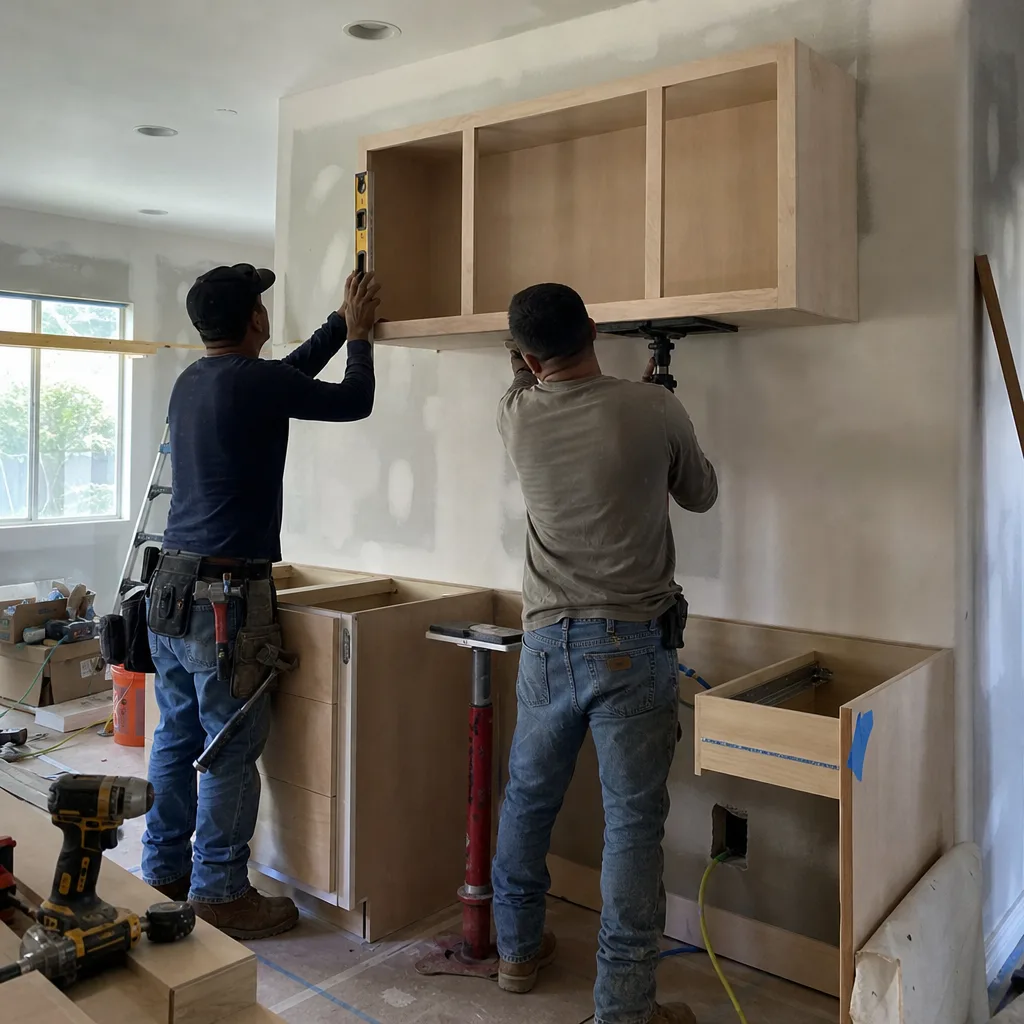
Cabinet installation is almost always part of a broader kitchen remodel rather than a standalone project – new countertops have to come off when cabinets go in, appliances need to move, and the electrical and plumbing rough-in under the sink gets disturbed. That’s worth understanding before you budget.
A full kitchen remodel in Pasadena runs $14,000 to $45,000 depending on scope. A smaller kitchen remodel – say, a 100-square-foot galley with mid-range materials – runs $9,000 to $20,000. Cabinets represent the largest single material cost in most kitchen projects, which is why getting the cabinet price right before anything else is ordered matters. Under Clause 1 of the Haven Standard, Rowan’s written price is delivered before any work starts – that includes a line-item breakdown so you can see exactly what cabinets, labor, and finish carpentry each cost, and decide where to adjust scope before a single box is pulled off a truck.
For more on how cabinet installation fits into Pasadena’s kitchen remodel market, the Cabinet Installation in Pasadena service page covers the full scope of what Rowan’s crews handle, from layout planning through final hardware installation.
How to Save on Cabinet Installation in Pasadena
There are real ways to bring the number down without compromising the result – and a few shortcuts that look like savings but create problems later. Here’s the practical version:
- Choose semi-custom over full custom for standard layouts. In most Pasadena kitchens, semi-custom cabinets from KraftMaid or Wellborn reach the same visual result as a custom build at materially lower cost. The size increments cover most layout requirements, and the construction quality is comparable. Save the custom budget for a genuinely unusual room.
- Keep the existing layout. Moving the sink means relocating the drain and supply lines. Moving the range means extending or relocating the gas line and hood duct. Neither is cheap. If the current layout works functionally, installing new cabinets in the same footprint avoids the plumbing and electrical costs that come with a full layout change – sometimes saving $1,500 to $3,000 on a project.
- Do your own demolition, carefully. If you want to remove the old cabinets yourself before the crew arrives, that’s one way to reduce labor cost. The caveat: old cabinets in Pasadena homes often have tile or plaster behind them, and aggressive removal can damage walls that then cost more to repair than the demolition saved. Discuss this with the project manager before you pick up a pry bar.
- Phase the project. If the full budget isn’t available now, consider doing lower cabinets first and upper cabinets in a second phase. This works better with semi-custom (where you can order additional boxes from the same line later) than with stock, where the style may be discontinued. A phased approach requires coordination, but it’s a real option for keeping individual project draws manageable.
- Bundle with countertops for efficiency. When cabinet installation and countertop installation happen on the same project, the templating visit for countertops happens after cabinets are set – one mobilization, one project manager overseeing both trades. That’s more efficient than two separate projects, and a good contractor passes some of that efficiency back in the form of a tighter overall price.
- Get a second opinion on any written estimate you already have. Rowan offers a free, line-by-line review of any competitor’s written estimate at no charge. If you’ve already received a quote for cabinet installation in Pasadena and want an independent read on whether the scope and price are reasonable, call (562) 203-4508 and bring the paperwork. There’s no obligation.
What the Installation Process Looks Like
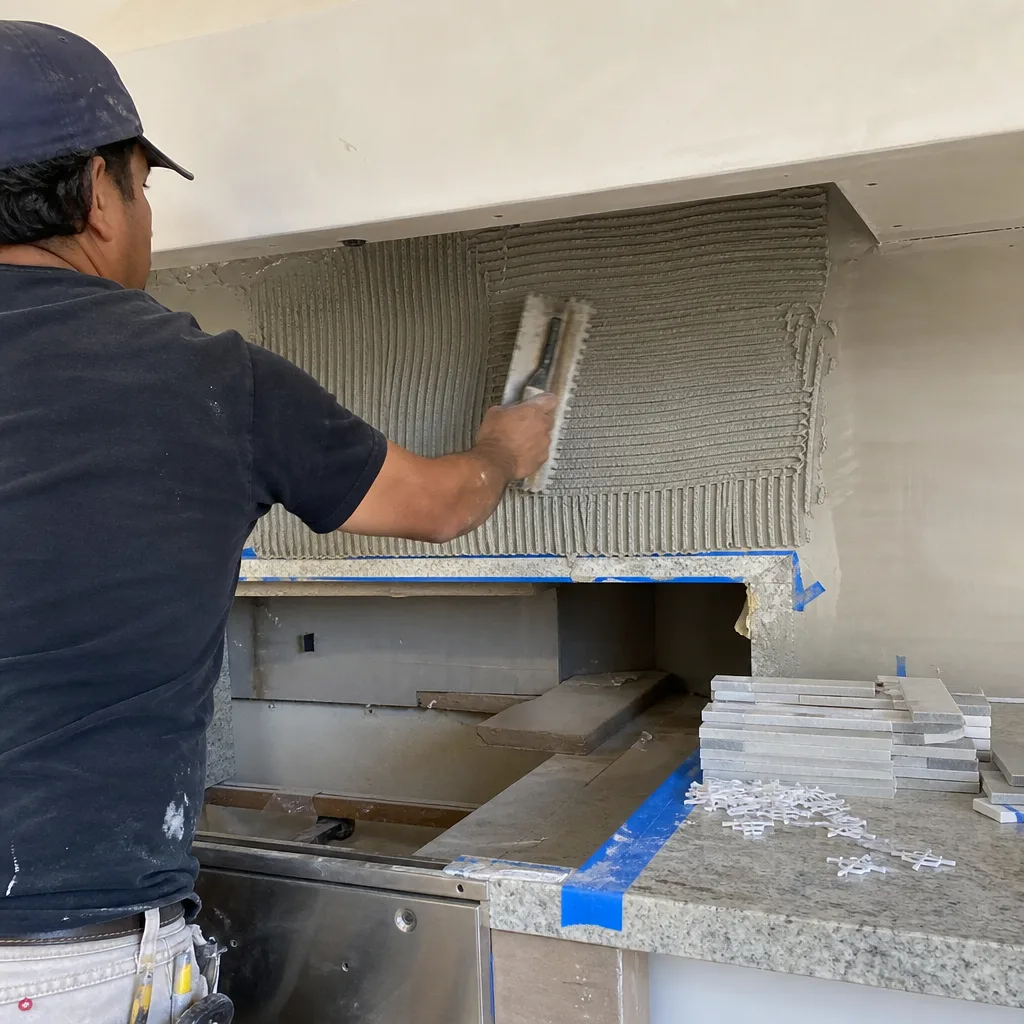
A Pasadena cabinet installation project runs roughly three to five days for a full kitchen, depending on the size of the room and the complexity of the layout. Here’s the sequence:
- Measurement and layout planning: Before anything is ordered, the crew takes precise measurements – walls, windows, ceiling height, soffit depth if one exists. In older Pasadena homes this step takes longer than it would in a newer build, because walls aren’t always square and the ceiling may not be level. Those measurements feed directly into the cabinet order so boxes arrive sized correctly.
- Old cabinet removal: If existing cabinets are coming out, they’re removed first and hauled off the site. The walls behind them are inspected for damage, patched if needed, and marked for stud location before new boxes go in.
- Cabinet installation – uppers first: Upper cabinets go in before lowers. This avoids having to work over a lower cabinet run – the crew has full access to the wall. Each box is leveled, plumbed, and secured to studs with appropriate fasteners. In older homes with plaster walls, the fastener selection matters more than in drywall construction.
- Lower cabinet installation: Lower boxes go in next, shimmed level off the floor. Pasadena’s older homes sometimes have floors that aren’t perfectly level across a 20-foot run – shimming is the fix, and it takes time to do it right so drawer fronts align and doors close cleanly.
- Doors, drawers, and hardware: After boxes are set, doors and drawer fronts are hung and adjusted. Hardware is installed. Soft-close mechanisms are adjusted so they close consistently. This step looks fast but the adjustment work – getting every door and drawer front aligned and gapped evenly – is where finish quality shows.
- Trim and finish carpentry: Crown molding, light rail, and scribe pieces go in last. Caulk lines are run where cabinets meet walls and ceiling. The crew walks the job with the homeowner before leaving.
Throughout the project, every visit includes a documented photo record – photos of wall conditions before cabinets go in, photos of the installation in progress, and photos of the finished result. That record is a standard deliverable, not an add-on, and the homeowner receives it at project close. If anything comes up under the 365-Day Done Right Promise – a door that stops closing cleanly, a hinge that loosens – that photo record gives both sides a clear baseline to work from.
Permits and Code in Pasadena
Cabinet replacement in Pasadena, CA does not typically require a building permit when it’s a like-for-like swap – same footprint, no changes to electrical, plumbing, or structural elements. The City of Pasadena Building and Safety Division is the authority having jurisdiction, and a standard cabinet installation project (remove old boxes, install new boxes in the same configuration) falls under routine home improvement work that doesn’t trigger the permit threshold.
Where permits do come into play: if cabinet installation is part of a broader kitchen remodel that involves moving the sink drain, adding under-cabinet lighting on a new circuit, or making any structural wall changes, those elements require permits pulled separately. Rowan handles permit coordination as part of project planning when it’s applicable – if your project triggers a permit requirement, that’s identified in the written scope before work starts, not discovered afterward.
One Pasadena-specific note: homes in historic overlay zones (portions of the Bungalow Heaven Landmark District, the Prospect Park neighborhood, and others) may have design review requirements that apply to visible exterior changes. Interior cabinet work doesn’t fall under those review requirements, but if your project touches anything visible from the street, that’s worth a conversation at the planning stage.
Rowan Construction Group’s Approach to Cabinet Pricing
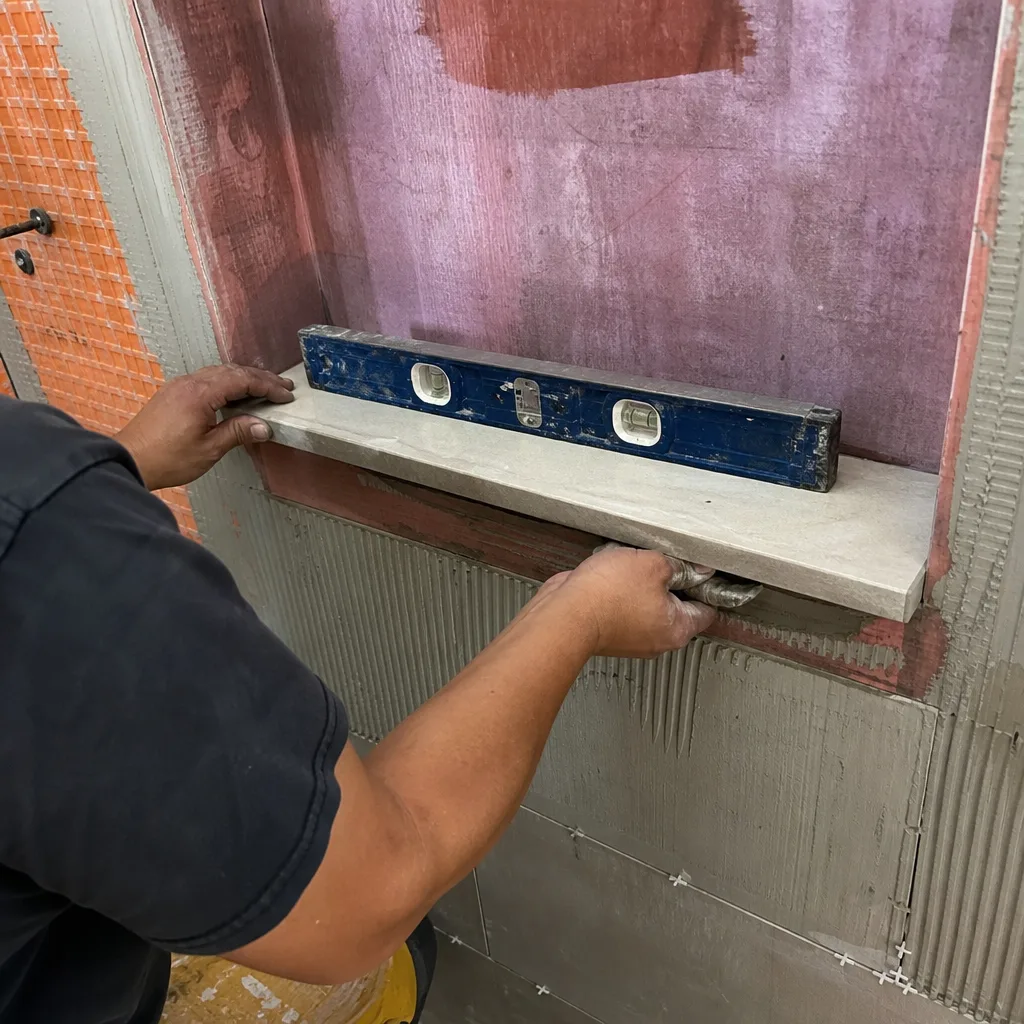
Grant Rowan founded Rowan Construction Group in 2007, and the discipline that’s run through every project since then is straightforward: the price is written before anyone picks up a tool. Across 4,000-plus projects, that discipline has kept final costs within a few percent of the agreed number – not because nothing unexpected ever happens on a job, but because when it does, no work proceeds on a change until the change order is signed.
For cabinet installation in Pasadena, that means your quote is a flat price with a written scope – not an estimate that grows after demo reveals a problem, and not a “call for a quote” that requires you to sit through a sales conversation before you get a number. The number is on the page before we meet, and the formal quote is in writing before anyone arrives at your house.
The 365-Day Done Right Promise covers the installation: if a door goes out of alignment, a drawer box loosens, or trim separates from a wall within a year of the installation date, Rowan makes it right. That guarantee is printed on the project documentation, not referenced verbally and forgotten. And if you’ve already received a written estimate from another contractor, the Free Second Opinion offer is a standing one – call (562) 203-4508, bring the estimate, and Grant’s team will review it line by line at no cost to you.
Rowan’s sourcing relationships with KraftMaid and Wellborn mean the material pricing in a Rowan quote reflects what those brands actually cost at the contractor level – not a retail markup that gets negotiated down, and not a vague “cabinets: TBD” line that expands later. What you see in the quote is what the project costs.
For homeowners exploring a broader kitchen project alongside cabinet installation, the home page covers Rowan’s full range of residential construction trades and how the written-price discipline applies across all of them.
FAQs – Cabinet Installation Cost in Pasadena
How much does cabinet installation cost in Pasadena, CA?
Cabinet installation in Pasadena costs $4,000 to $13,000 for a full kitchen, with most projects landing between $6,000 and $9,500 for a semi-custom installation in a standard-sized kitchen. The lower end reflects a small galley kitchen with stock cabinets and no removal work; the upper end reflects a larger kitchen with custom or high-end semi-custom boxes, soft-close hardware throughout, and finish carpentry like crown molding. Call (562) 203-4508 for a written quote specific to your kitchen’s dimensions and the cabinet line you’re considering.
Is it cheaper to reface or replace cabinets in Pasadena?
Cabinet refacing – replacing just the doors, drawer fronts, and visible veneer while keeping the existing box structure – typically costs $2,500 to $6,000 for a full kitchen in Pasadena, which is less than a full replacement. But refacing only makes sense if the existing boxes are structurally sound, correctly laid out, and in good condition. If the boxes are damaged, poorly shimmed to an out-of-plumb wall, or the layout doesn’t work for how you use the kitchen, refacing preserves a problem rather than solving it. A written estimate for both options lets you compare with real numbers rather than assumptions.
How long does cabinet installation take in Pasadena?
A full kitchen cabinet installation in Pasadena takes three to five days for a standard-sized kitchen, assuming cabinets are on-site when the crew arrives. The timeline extends if removal reveals significant wall damage that needs patching, or if the layout involves complex scribing work – which is more common in Pasadena’s older housing stock than in newer construction. Semi-custom cabinets from KraftMaid or Wellborn typically have a 4- to 8-week lead time from order to delivery, so the planning phase is where most of the calendar goes.
Do I need a permit for cabinet installation in Pasadena?
A straightforward cabinet replacement in Pasadena does not require a permit when it’s like-for-like – same footprint, no changes to plumbing, electrical, or structural elements. If the project involves moving a sink drain, adding a new electrical circuit for under-cabinet lighting, or any structural modification, those specific elements require permits from the City of Pasadena Building and Safety Division. Rowan identifies permit requirements in the written scope before work starts so there are no surprises mid-project.
Can cabinet installation be done without replacing countertops?
Yes, though it requires careful planning. The countertops have to come off when lower cabinets are replaced, which means they either get set aside and reinstalled (possible with stone slabs if they’re not damaged during removal, but never guaranteed) or replaced as part of the project. Many Pasadena homeowners use cabinet installation as the trigger to replace countertops at the same time, since the countertops are coming off anyway and countertop installation in Pasadena runs $2,000 to $6,500 – a cost that makes more sense bundled than as a separate mobilization. The written scope will spell out exactly which approach applies to your project and what each option costs.
What cabinet brands does Rowan Construction Group use in Pasadena?
Rowan sources from KraftMaid and Wellborn for semi-custom cabinet work, both of which offer plywood box construction, dovetail drawer boxes, and a wide enough option matrix to handle most layout requirements in Pasadena’s older homes without going to full custom. For stock work, the specific line depends on the project scope and budget – the written quote names the brand and line so you know exactly what’s being installed before you sign anything.
Key Takeaways
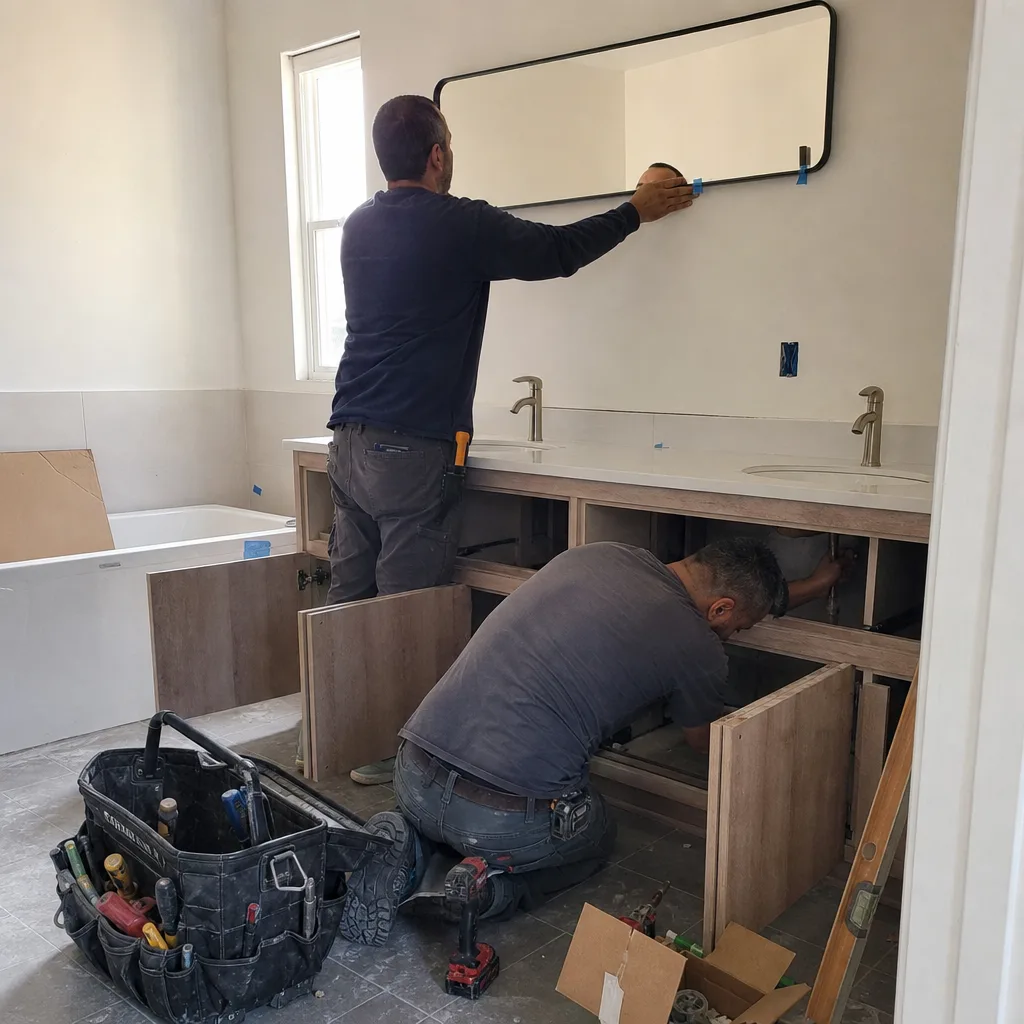
- Cabinet installation in Pasadena costs $4,000 to $13,000, with most full kitchen projects landing between $6,000 and $9,500.
- Cabinet grade (stock, semi-custom, custom) is the single biggest cost driver – semi-custom hits the sweet spot for most Pasadena kitchens.
- Older homes in neighborhoods like Bungalow Heaven, San Rafael Hills, and Hastings Ranch often have walls that aren’t plumb, which adds fitting time and should be budgeted for.
- Standard cabinet replacement doesn’t require a permit in Pasadena, but changes to plumbing or electrical do.
- Rowan Construction Group provides a flat written price before any work starts, a signed change order before any scope change proceeds, and a 365-Day Done Right Promise on the installation.
- A Free Second Opinion on any written estimate is a standing offer – bring a competitor’s quote and Rowan reviews it line by line at no charge.
Ready to get a written number for your Pasadena cabinet installation? Call (562) 203-4508 and Grant Rowan’s team will put a flat written price in front of you before anyone sets foot in your kitchen. Free estimates, no obligation, and no work starts without your signature on a written scope.
Written by Grant Rowan, Owner at Rowan Construction Group, serving Pasadena since 2007.
Pricing reflects the Pasadena market as of 2026. Rowan Construction Group Pasadena offers free estimates – call (562) 203-4508.
What Our Customers Say
"Driveway replaced properly with a base that will actually last. They explained why the cheaper quote was cheaper."
- Reggie O."Final invoice was within two percent of the contract. Every change was priced and signed before anyone picked up a tool."
- Malcolm T."Fence and retaining wall along a sloped boundary. They photographed the footing depth at each post, which mattered when the county inspector came."
- Iona F.