
Free written scope consultation - allowances, timeline, and change-order rules on paper before a single trade is scheduled
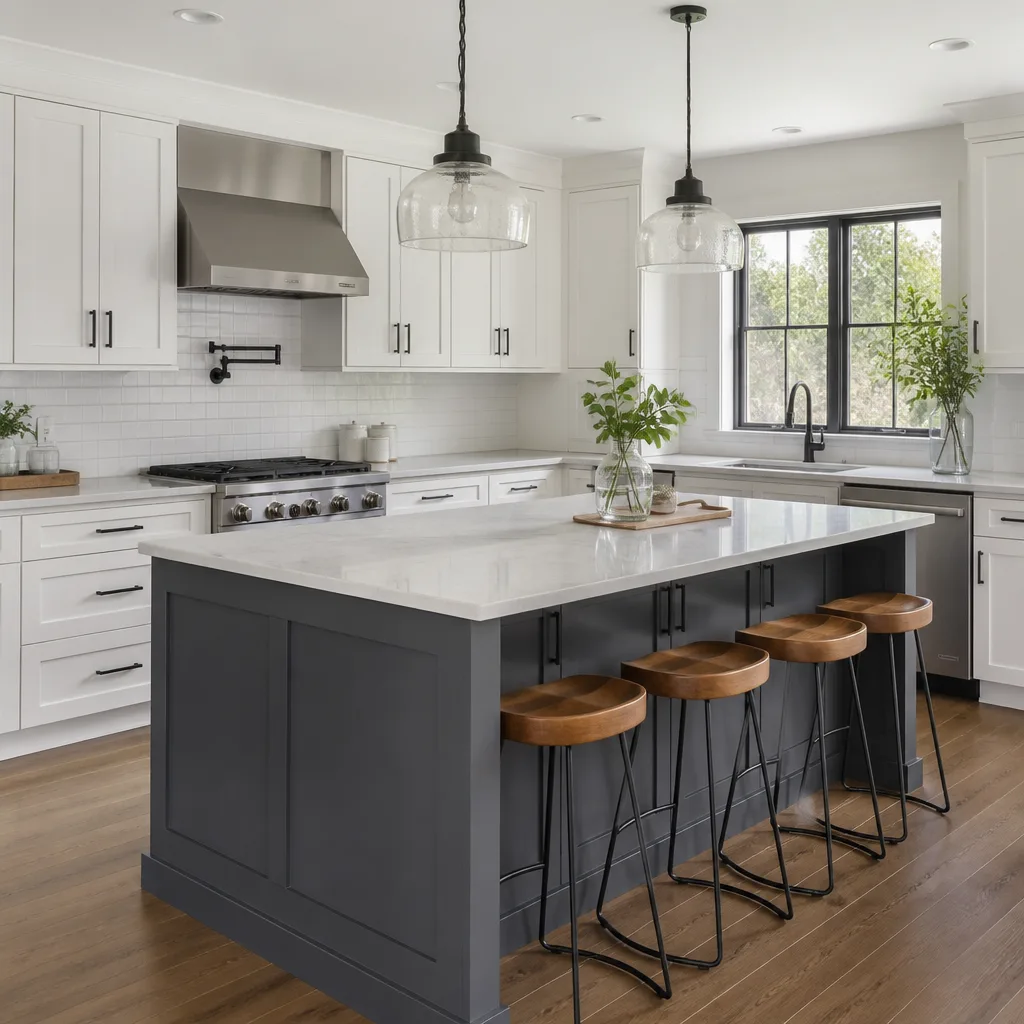
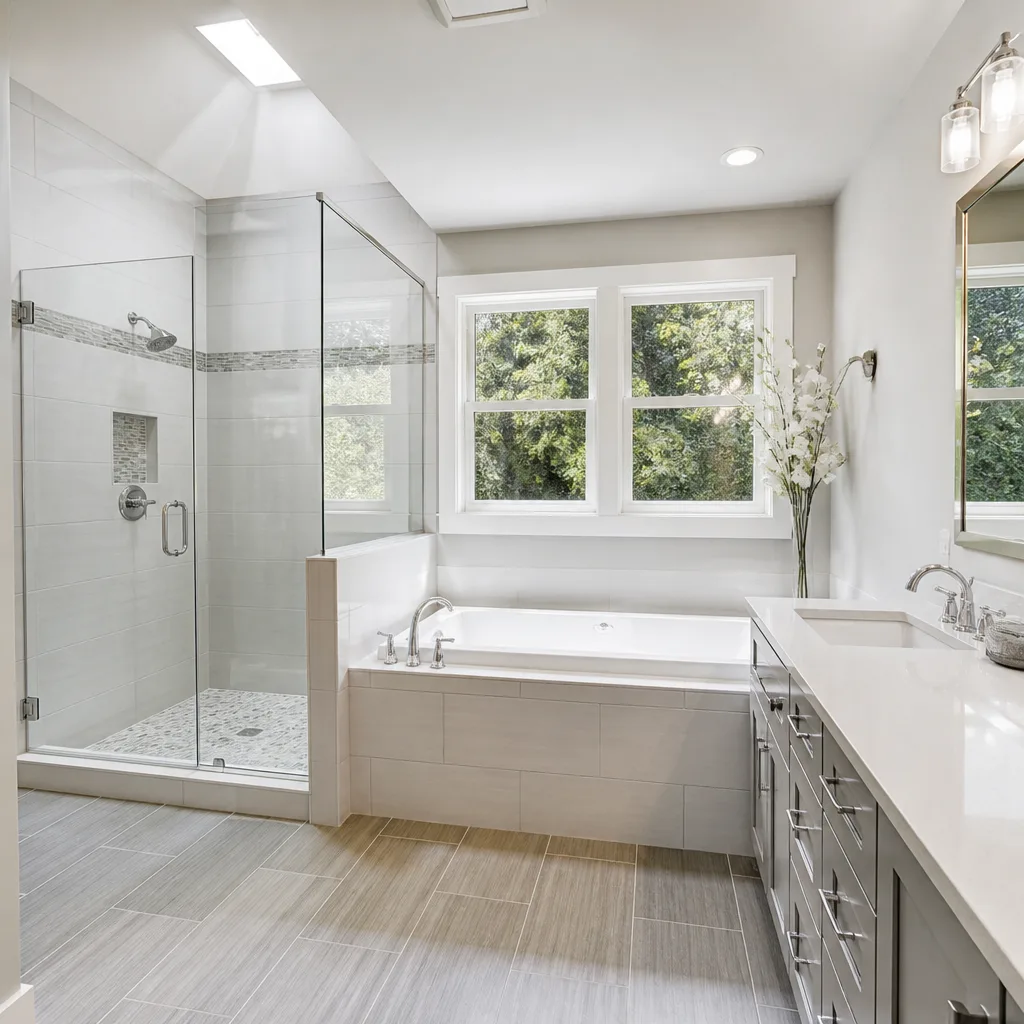
 Before
 After
After Before
 After
AfterPlant Prefab Bathroom Remodeling: The Pasadena Owner’s Guide
Plant Prefab bathroom remodeling in Pasadena typically runs $9,000-$28,000 for a full replacement, with smaller wet-area refreshes starting around $5,000. We stock and install Plant Prefab-compatible fixtures, panels, and waterproofing systems, and we carry common replacement components on our Pasadena-area trucks. Most Plant Prefab bathroom failures we see start with water intrusion at the wet-wall panel joints or drain flange assemblies, especially in units installed during the 2018-2021 production runs where the original membrane termination detail was updated mid-cycle.
Which Plant Prefab Models This Applies To
Plant Prefab’s bathroom modules span three distinct generations, and the parts are not interchangeable between them. The Series A modules (2016-2019) used a 2-inch drain hub with a proprietary compression gasket that Plant Prefab sourced from a now-discontinued supplier. Series B (2019-2022) switched to a standard 3-inch hub with an off-the-shelf Oatey flange, which is what we stock. Series C (2022-present) uses a bonded composite pan with an integrated linear drain, and replacement requires the full wet-floor kit from Plant Prefab or a field-fabricated equivalent that we warranty under our 365-Day Done Right Promise.
To identify your module, check the data plate inside the vanity cabinet or behind the access panel near the water shutoffs. The model prefix tells the story: PL-A, PL-B, or PL-C. If the plate is missing or painted over, measure the drain hub diameter and note whether your wall panels are fiberglass-reinforced polymer (Series A/B) or the newer magnesium-oxide composite (Series C). We also source KraftMaid and Cambria finishes when a full aesthetic refresh accompanies the repair.
The OEM-versus-aftermarket question for Plant Prefab comes down to the wet-area warranty. Plant Prefab’s own replacement pans carry a 10-year waterproofing warranty when installed by their certified network. Our aftermarket equivalent, fabricated from Schluter-Kerdi membrane over a custom sloped pan, carries our 365-Day Done Right Promise backed by The Haven Standard. For Pasadena’s clay-heavy soil and seasonal expansion cycles, we’ve had better long-term results with the Schluter system on Series A and B retrofits because the membrane bonds directly to the substrate rather than relying on the original gasket compression.
Signs Your Plant Prefab Bathroom Remodeling Is Failing
- Soft spots or discoloration at the wall-floor junction. This usually means the original membrane has delaminated from the pan, letting shower water wick into the subfloor. In Pasadena’s older neighborhoods like Bungalow Heaven, the crawl space ventilation is often original 1920s construction, so moisture lingers and the damage spreads faster than in newer builds with active ventilation.
- Musty odor that persists after cleaning. The smell indicates mold growth behind the wall panels, typically where the fiberglass-reinforced polymer meets the waterproofing layer. Plant Prefab’s Series A panels are particularly prone to this because the seam sealant was applied in the factory and can crack during transport or seismic settling.
- Drain slow-down or gurgling, even after snaking. The compression gasket in Series A hubs can deform over time, creating a lip that catches hair and soap residue. More critically, the deformed gasket allows water to track along the outside of the drain pipe, which is how we find rot in the floor joists on about thirty percent of our Pasadena callbacks.
- Wall panels pulling away from corners or seams. Thermal cycling in Pasadena, where winter nights drop to the 40s and summer afternoons hit the 90s, causes the panel adhesive to fatigue. The magnesium-oxide composite in Series C handles this better, but Series A and B panels will eventually gap.
- Grout cracking in the tile surround, if your module was upgraded from the standard panel finish. Plant Prefab offered a tile-upgrade package on some Series B units, but the substrate movement tolerance was not always matched to the tile spec. We see this most often in the Arroyo Seco-adjacent hills, where foundation movement is more pronounced.
 Before
 After
AfterReplacement Cost & What’s Included
| Scope | Pasadena Price Range |
|---|---|
| Full Plant Prefab bathroom remodel | $9,000 - $28,000 |
| Small bathroom refresh (wet area only) | $5,000 - $12,000 |
| Walk-in shower replacement | $4,500 - $12,000 |
| Tub-to-shower conversion | $3,500 - $10,000 |
| Vanity replacement | $800 - $3,000 |
The range depends on three factors: whether we are matching existing Plant Prefab components or upgrading to aftermarket equivalents, how much substrate repair the water damage requires, and whether Pasadena’s building department wants a permit for the scope. Most wet-area repairs trigger a plumbing permit; we pull it, schedule the inspection, and pass it before the wall panels go back on. Under Clause 1 of The Haven Standard, the written price you receive includes all permit fees, inspection scheduling, and the documented photo record of every visit. No work proceeds on a change until the change order is signed, which is the discipline that has kept our projects within a few percent of the agreed number across 4,000-plus jobs since 2007.
DIY or Call Us?
There is a safe middle ground here, and then there is a hard stop. A homeowner can safely remove the access panel, photograph the data plate and any visible water staining, and check that the water shutoffs turn freely. That documentation is useful when we arrive, and it costs nothing.
What we do not recommend: cutting into the wet wall, attempting to re-bed a drain flange, or peeling back wall panels to “see how bad it is.” The waterproofing membrane in Plant Prefab modules is a continuous system; once you break the seal, the warranty and the moisture barrier are both compromised. In Pasadena’s climate, an opened wall that gets rained on before it is properly resealed will grow mold within 72 hours. We carry the replacement pans, flanges, and membrane kits on our trucks, and our crews are background-checked and uniformed. Call (562) 203-4508 to schedule your free estimate. Write it down before you build it - scope first, surprises later.
FAQs
The original wet-area components typically last 12-18 years in Pasadena’s climate, though we’ve seen Series A units fail at 8 years when the drain gasket deformed early. The magnesium-oxide composite in Series C is too new for reliable lifespan data, but the bonded membrane design eliminates the gasket failure mode entirely. Call (562) 203-4508 for an exact quote on your module - estimates are free.
Sometimes. A minor membrane breach at a seam can be patched with compatible liquid membrane if the substrate is dry and sound. But if the pan has cracked, the drain hub is deformed, or there is rot in the subfloor, repair is false economy - the patch will fail at the next thermal cycle. We document the condition with photos and give you a written scope for both options before you decide.
Most wet-area replacements take 4-6 working days in Pasadena, including permit inspection. A full module swap with finish upgrades runs 2-3 weeks, depending on material lead times. We do not promise same-day completion on planned construction work; the job is done when it passes inspection and meets The Haven Standard, not by an arbitrary deadline.
We carry Series B drain flanges, Oatey-compatible gaskets, Schluter-Kerdi membrane kits, and standard wet-floor pans. Series C integrated linear drains and Series A proprietary gaskets are factory-order or custom-fabricated, with a 5-10 business day lead time. We will tell you exactly what we have and what we need to order before any work starts.
Written by Grant Rowan, Owner, Rowan Construction Group Pasadena at Rowan Construction Group Pasadena, serving Pasadena and nearby areas.