
Free written scope consultation - allowances, timeline, and change-order rules on paper before a single trade is scheduled
 Before
 After
After Before
 After
AfterPlant Prefab Home Additions & ADU: The Pasadena Owner’s Guide
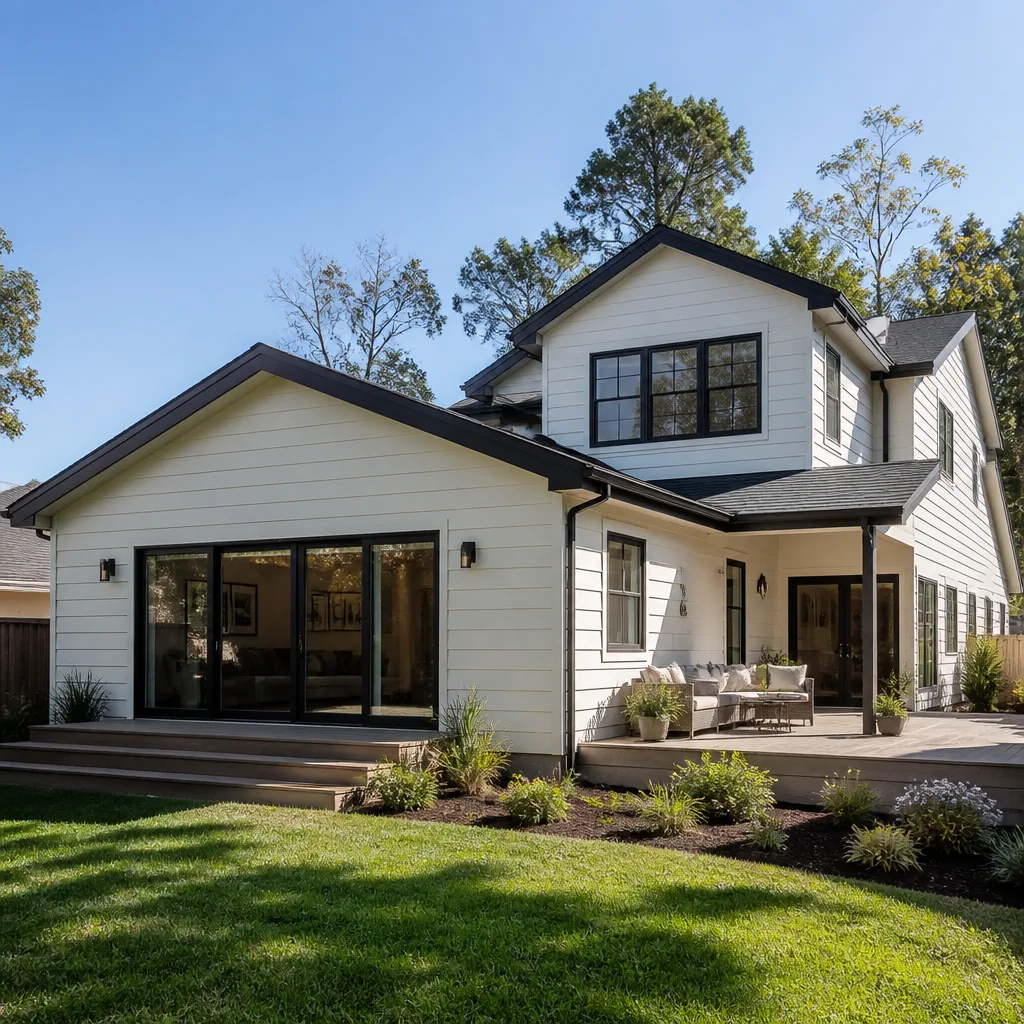
Plant Prefab home additions and ADU construction in Pasadena typically runs $45,000-$130,000 for a standard addition and $90,000-$220,000 for a detached ADU, with most Rowan projects starting within two to four weeks of signed scope. We stock and install Plant Prefab-compatible structural connection hardware, moisture barrier systems, and MEP rough-in components, and we carry the full line of KraftMaid and Cambria finishes for interior build-out. Most Pasadena owners first notice trouble when their Plant Prefab unit shows uneven settling against the existing foundation, water intrusion at the module seam, or HVAC imbalance between the original structure and the addition - symptoms that usually trace back to the connection detail or the weatherproofing transition, not the module itself.
Which Plant Prefab Models This Applies To
Plant Prefab builds three product families that matter for Pasadena homeowners: the LivingHome series (single-module studios and one-bedrooms), the Cabana line (backyard offices and guest units under 500 square feet), and the custom multi-module additions that tie into existing foundations. The critical identification point is the module serial plate, usually found on the electrical panel door or the mechanical chase access in Plant Prefab units - it lists the manufacturing batch, which determines your connection hardware spec.
Plant Prefab has used two foundation connection systems since 2018: the bolted steel moment frame (LivingHome and early Cabana) and the post-tensioned concrete pier system with integrated utility chase (Cabana 2020 onward and all custom additions). The steel frame uses 3/4-inch ASTM A325 bolts at 24-inch centers; the pier system uses a proprietary galvanized bracket set that Plant Prefab sources from Simpson Strong-Tie. We stock both. For moisture management, Plant Prefab ships with a peel-and-stick membrane at the module base - in Pasadena’s dry-summer climate, that membrane typically degrades at the south and west exposures first, where thermal cycling is most aggressive.
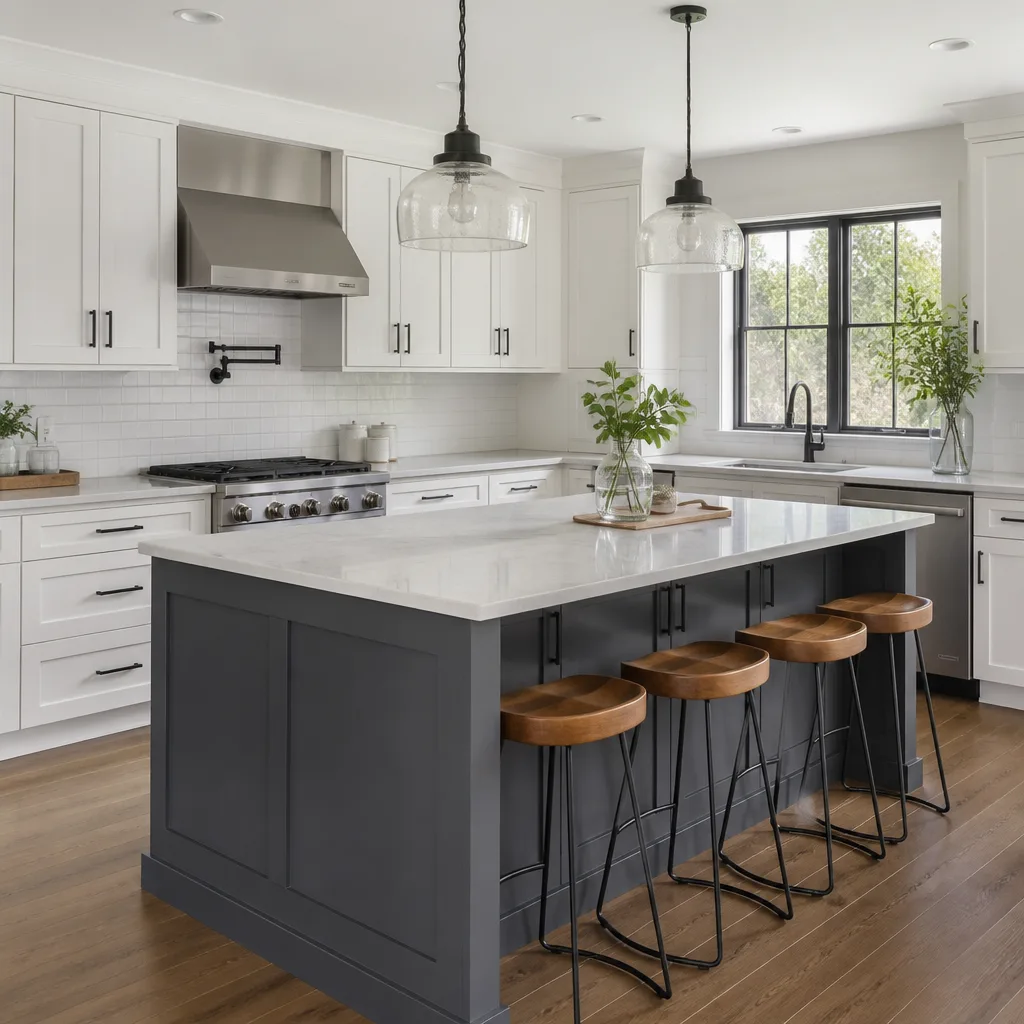
We’re an independent service provider with no affiliation to Plant Prefab. For interior finishes, we specify KraftMaid cabinet boxes with soft-close hardware and Cambria quartz surfaces as our standard, though we also source Silestone when a homeowner has an existing palette to match.
Signs Your Plant Prefab Home Addition or ADU Is Failing
- Uneven floor transition between existing house and addition. The module-to-foundation connection has shifted. In Pasadena, this often follows winter rains that soften the cut-fill boundary where the original foundation meets the new pier grid - the soil differential compresses, and the steel shims settle. We check the bolt torque and the grout pad integrity before assuming structural failure.
- Water staining at the ceiling joint or baseboard corner. The module seam sealant has breached. Plant Prefab uses a two-stage system - primary EPDM gasket and secondary fluid-applied membrane - and the secondary layer is where we find the gap, usually at the roof-wall intersection where Pasadena’s Santa Ana wind-driven rain gets purchase.
- HVAC short-cycling or rooms that won’t hold temperature. The flex duct run between existing mechanical and the addition has detached at the module penetration. Plant Prefab’s chase is tight; installers sometimes compress the flex to fit, which kinks and tears at the bend radius. We replace with hard-pipe transition where clearance allows.
- Exterior siding gap opening at the module seam. The expansion joint filler has extruded or the trim cap has pulled. Pasadena’s 40-degree annual temperature swing cycles the module differently than the stick-built original structure; the gap widens each season until the rain screen is compromised.
- Electrical outlet failure or G nuisance tripping in the addition. The module’s subpanel ground bond is loose at the interconnection lug. Plant Prefab ships with a compression lug that can work loose in transit; we find this most often in units delivered over the 210 freeway route, where vibration is sustained.
 Before
 After
AfterReplacement Cost & What’s Included
| Service | Pasadena Price Range | What’s Included |
|---|---|---|
| Foundation connection repair (bolt torque, shim replacement, grout) | $2,800-$6,500 | Labor, materials, laser-level verification, photo documentation |
| Module seam reseal (EPDM + fluid-applied membrane) | $3,500-$8,200 | Full removal, substrate prep, new sealant system, 2-year workmanship warranty |
| HVAC chase repair (flex-to-hard-pipe conversion) | $1,800-$4,500 | Ductwork, insulation, register balance, load calculation verification |
| Expansion joint rebuild with rain screen restoration | $4,200-$9,800 | Trim removal, joint filler, new cap, siding integration, paint match |
| Subpanel ground bond correction | $900-$2,200 | Lug replacement, impedance testing, permit coordination if required |
| Full home addition (new Plant Prefab-compatible construction) | $45,000-$130,000 | Written scope, flat price, signed change orders only, 365-Day Done Right Promise |
| Detached ADU construction | $90,000-$220,000 | Same terms; includes utility trenching and meter separation |
The spread in each range reflects access difficulty - tight Pasadena lots in Bungalow Heaven or the Linda Vista hills require hand-carry or mini-crane, which we price in the written scope before work starts. Under Clause 1 of the Haven Standard, that written price is delivered before any tool leaves the truck. No change proceeds without a signed change order, which is why our projects finish within a few percent of the number you agreed to. Every visit includes a documented photo record, included as standard.
DIY or Call Us?
There’s a short list an owner can safely check: verify the module serial plate is legible, confirm the electrical subpanel breaker positions, and look for obvious siding or trim damage from the ground with binoculars. Do not climb onto a Plant Prefab module roof - the membrane is warrantied for foot traffic only at designated access points, and the slope transitions are easy to misread from a ladder.
Everything else belongs to a licensed contractor. Foundation connection bolts carry structural loads; torque them wrong and the module shifts. The EPDM seam sealant requires substrate preparation and cure-time management that can’t be rushed. Electrical subpanel work in Pasadena requires a permit and inspection for any modification past the main breaker. And the HVAC chase is tight enough that we’ve found homeowner repairs with duct tape holding flex pipe that should be hard-piped - a fire risk and an efficiency loss.
We’re background-checked, uniformed, and we answer calls with a live person 24/7. Call (562) 203-4508 to schedule your free estimate. We’ll write the scope before we talk price, and the price before anyone picks up a tool.
FAQs
A properly repaired foundation connection with new grout and verified bolt torque should last 20-25 years in Pasadena’s climate, though properties on hillside fill or near the Arroyo Seco water table may need inspection at 15 years. The EPDM seam sealant carries a 10-year manufacturer warranty; our fluid-applied secondary membrane adds another layer that we warranty for 2 years on workmanship. Call (562) 203-4508 and we’ll inspect the specific condition of your module - estimates are free.
A surface patch on the EPDM gasket will hold through one rainy season, maybe two, before the underlying breach spreads. We don’t offer patches as a standalone service because the callback rate is high enough that it violates the 365-Day Done Right Promise. When we open the seam, we remove both layers to substrate, inspect for hidden moisture intrusion, and rebuild with new materials. The full reseal costs more upfront than a patch; it costs less than two patches and the interior drywall repair that follows. Call (562) 203-4508 for a written quote - we’ll show you the photo record from the last similar job we did in Pasadena.
Foundation connection work runs 2-3 days including cure time for the grout. Module seam resealing is 3-4 days with full weather protection during the work. HVAC chase conversion is usually done in 1 day if access is clear. We don’t promise same-day completion on structural or weatherproofing work - the materials need cure time, and we don’t skip steps that the warranty depends on. What we do promise is a written schedule with the scope, and a crew that shows when scheduled. Call (562) 203-4508 to book.
We stock the Simpson Strong-Tie galvanized bracket set for post-tensioned pier systems, the 3/4-inch A325 bolt hardware for steel moment frames, and the specified EPDM gasket and fluid-applied membrane in standard widths. Custom trim cap colors and siding matches we order after field verification - we don’t guess on color from a photo. For interior finishes, we keep KraftMaid door samples and Cambria quartz chips in our Pasadena office for same-day comparison. Call (562) 203-4508 to confirm compatibility with your module batch.
Write it down before you build it - scope first, surprises later. That’s how Grant Rowan has run every project since he started in the San Gabriel Valley, and it’s why Rowan Construction Group Pasadena still delivers a written price before any work starts, every time.
Written by Grant Rowan, Owner, Rowan Construction Group Pasadena at Rowan Construction Group Pasadena, serving Pasadena and nearby areas.