
Last updated September 24, 2026
Free written scope consultation - allowances, timeline, and change-order rules on paper before a single trade is scheduled

 Before
 After
After Before
 After
AfterDIY vs Professional Construction: The Pasadena Homeowner’s Decision Guide
A Pasadena homeowner who installs their own recessed lighting without an electrical permit saves $800-$1,200 in contractor fees and creates a disclosure obligation at resale that can cost $5,000-$15,000 to retroactively permit - or kill a sale entirely. This is the hidden math of DIY construction in our city, where the projects that look simplest on YouTube often carry the steepest legal exposure. In this guide, we’ll walk through which tasks are genuinely worth doing yourself, which ones expose you to decade-long liability under California law, and how Pasadena’s Historic Preservation Overlay Zone rules add a layer of complexity that most online tutorials never mention.
Quick Answer
DIY construction in Pasadena makes financial sense for cosmetic work - painting, basic landscaping, cabinet hardware, and decorative tile - where no permit is required and mistakes are reversible. For electrical, structural, gas, and roofing work, hiring a licensed contractor is almost always the lower-cost choice once you factor in permit fees, tool purchases, your time at market rate, and the 10-year liability you assume under California Civil Code §896 when you pull an owner-builder permit. Hybrid approaches work well: hire a pro for rough-in and inspection, then handle finish work yourself.
Table of Contents
- The California Owner-Builder Permit: What It Actually Means
- Task-by-Task Risk Matrix: What You Can DIY vs. What You Shouldn’t
- How Pasadena’s HPOZ Rules Change the DIY Calculation
- The Real Cost Comparison: A Formula That Includes Your Time and Liability
- The Hybrid Model That Works in Pasadena
- Common Mistakes to Avoid
- When to Call a Professional
- Frequently Asked Questions
 Before
 After
AfterThe California Owner-Builder Permit: What It Actually Means
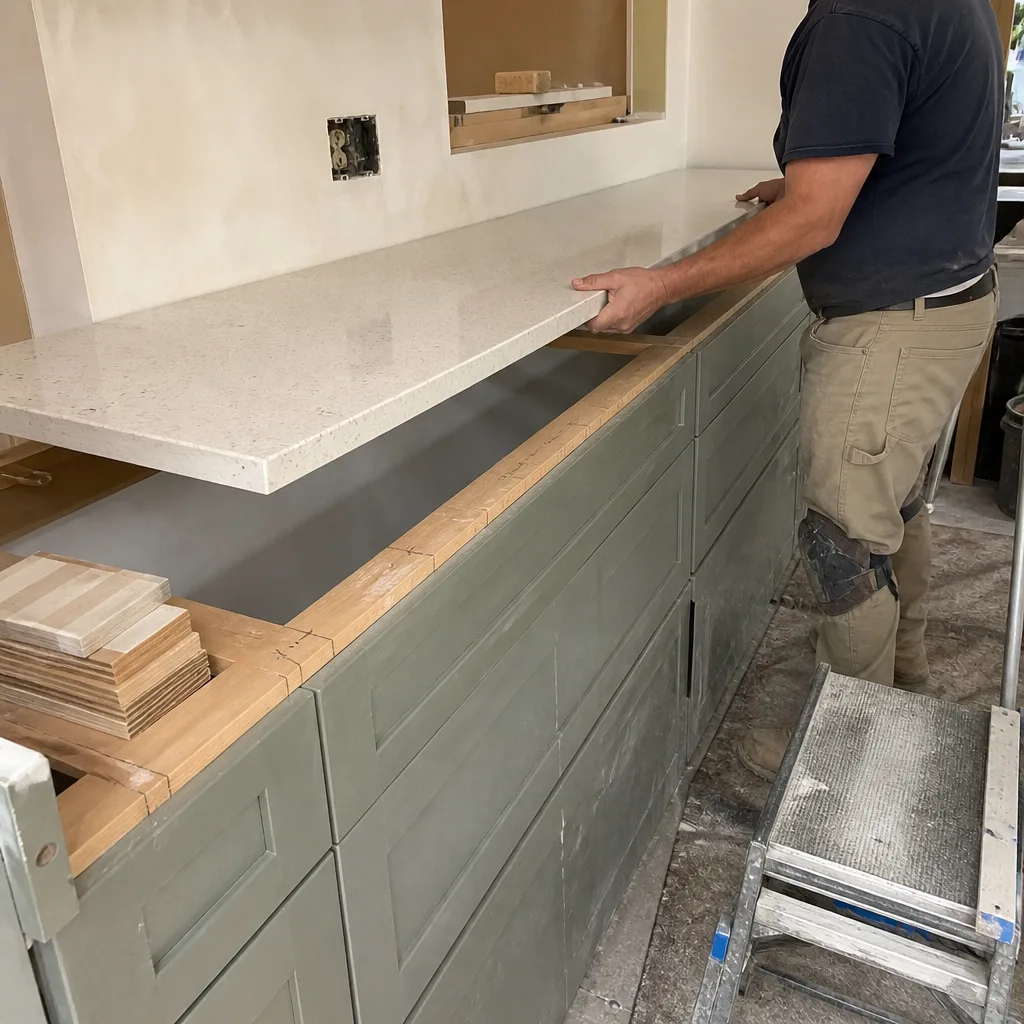
California allows homeowners to pull their own construction permits through what’s called the owner-builder exemption. On paper, this looks like freedom. In practice, it’s a legal election with consequences most people don’t discover until they’re selling their home or facing a failed inspection.
Here’s what the owner-builder permit actually allows: you can act as your own general contractor, hire subcontractors directly, and perform the work yourself or with unpaid helpers. The permit fee is the same whether you or a licensed contractor pulls it. What changes is liability.
Under California Civil Code §896, an owner-builder assumes the same liability for defects that a licensed contractor would carry. That liability runs for 10 years from substantial completion for structural defects, four years for specific systems like plumbing and electrical, and one year for general finish work. A licensed contractor carries insurance, bonding, and a license fund that injured parties can access. An owner-builder carries their personal assets.
We’ve reviewed project files where Pasadena homeowners pulled owner-builder permits for kitchen remodeling in Pasadena thinking they’d save 20% on contractor overhead. Two years later, a dishwasher leak damaged the subfloor. Because the homeowner had hired an unlicensed handyman to run the supply line, the insurance carrier denied the claim and the owner-builder liability attached to the homeowner personally. The $3,000 savings became a $14,000 repair and a small claims court case.
The owner-builder route makes rational sense in exactly three situations: one, you’re a retired trades professional with current code knowledge; two, the project is genuinely minor (a single non-load-bearing wall, a bathroom exhaust fan replacement with no new electrical circuit); or three, you’re building on rural land with no resale timeline and no mortgage lender requiring licensed work. For the typical Pasadena homeowner in Bungalow Heaven, Madison Heights, or the Chapman Woods area, none of these conditions apply.
One more detail that gets buried: if you pull an owner-builder permit and then hire someone to do the work, that person must be your employee (W-2, workers’ compensation, payroll taxes) or a licensed subcontractor with their own permit. Hiring an unlicensed worker under your owner-builder permit is a misdemeanor under Business and Professions Code §7028, and the Pasadena Building Division can red-tag the job and require full removal of completed work.
Task-by-Task Risk Matrix: What You Can DIY vs. What You Shouldn’t
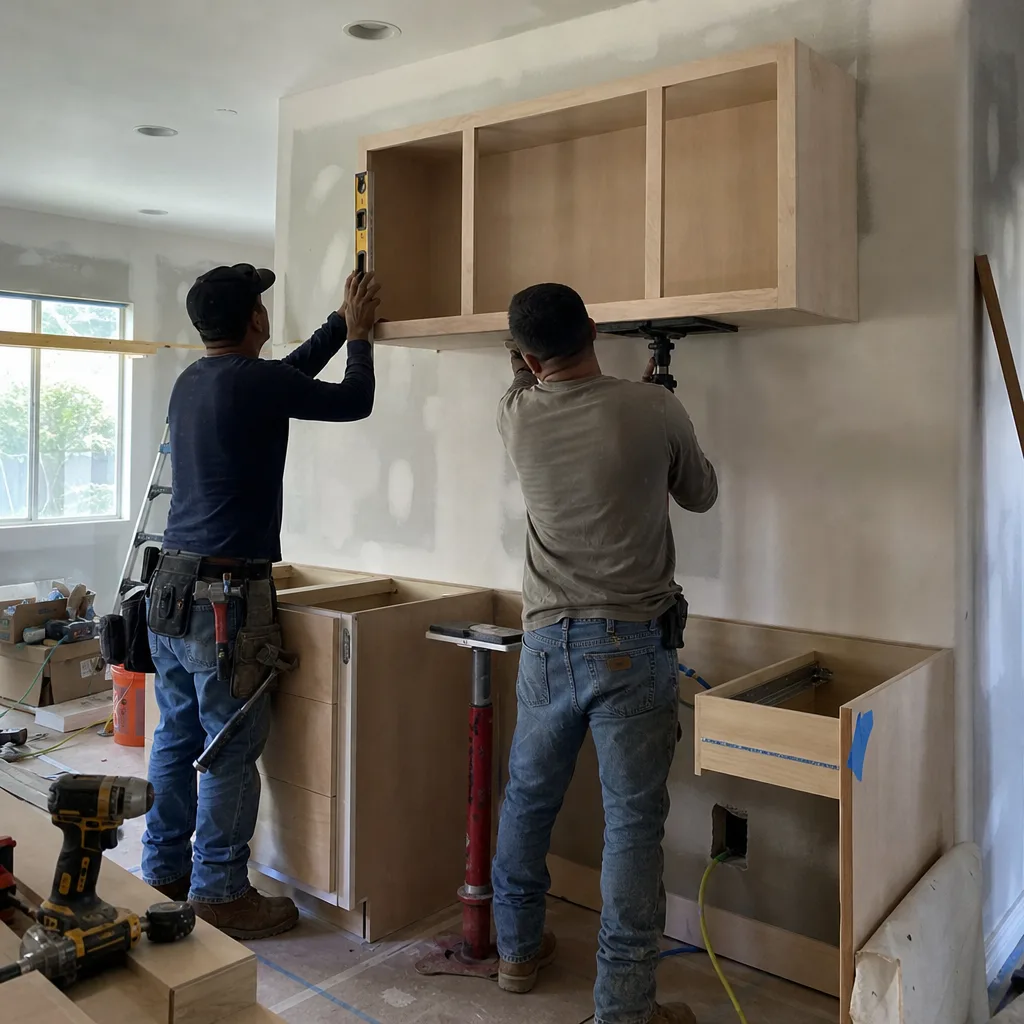
Not all construction tasks carry the same legal and financial exposure. We’ve sorted the work we see most often into three categories based on permit requirements, inspection complexity, and the cost of a mistake.
Low-Risk DIY (No Permit, Reversible Mistakes)
- Interior painting and wallpaper: No permit required. Mistakes cost a weekend and $60 in new paint. The only Pasadena-specific note: homes built before 1978 may have lead paint, which triggers EPA RRP rules if you’re disturbing more than 6 square feet per room. Test first, or hire a lead-certified contractor.
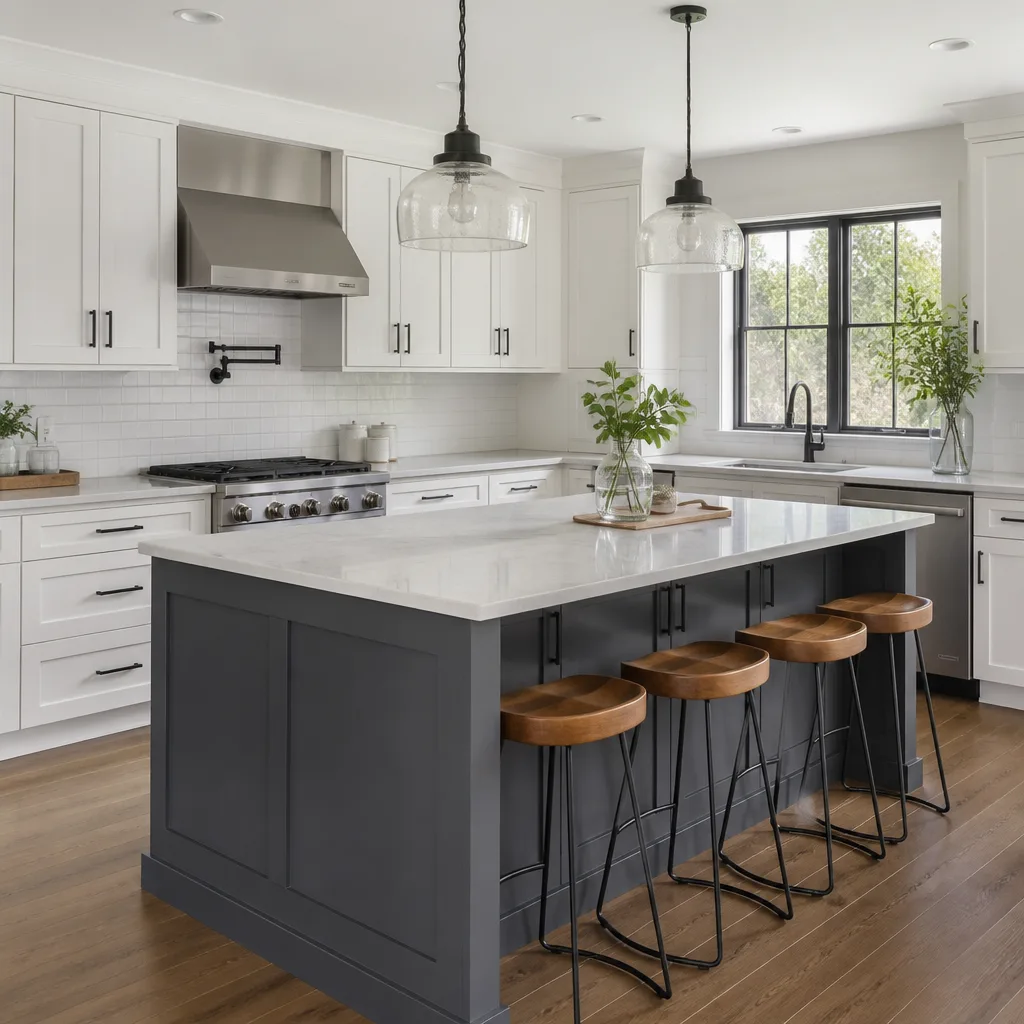
- Cabinet hardware and pulls: Fifteen minutes with a template. No structural or plumbing implications. We’ve seen homeowners refresh an entire kitchen remodeling in Pasadena for $400 in hardware and an afternoon.
- Basic landscaping and raised beds: No permit under 30 inches in height. Avoid locating trees within 10 feet of sewer laterals - Pasadena’s clay soil and mature tree canopy make root intrusion the most common cause of sewer line failure we see in the San Rafael and Linda Vista areas.
- Decorative tile backsplash: No permit if you’re not moving outlets or plumbing. Use polymer-modified thinset over drywall, not mastic, which re-emulsifies in steam.
- Window treatments and shelving: Use a stud finder. The 1920s Craftsman homes common in Pasadena have irregular stud spacing - 16 inches on center was not universal before 1940.
Medium-Risk DIY (Permit Required, Manageable Inspection)
- Non-load-bearing wall removal: You need a permit and an engineer’s letter confirming the wall is non-load-bearing. Pasadena requires this even for interior walls if the home was built before certain seismic codes. We’ve seen homeowners skip this step and discover the wall was carrying a point load from a roof beam.
- Deck replacement under 200 square feet: Permit required, but inspection is straightforward if you follow the prescriptive span tables. Use hot-dipped galvanized or stainless fasteners - Pasadena’s marine layer accelerates corrosion on standard coated screws.
- Water heater replacement (like-for-like): Permit required in Pasadena. The city checks earthquake strapping, expansion tank sizing, and pan drain routing. DIY is feasible if you’re comfortable with gas or electrical shutoff procedures and can read the manufacturer’s installation manual for your specific model.
High-Liability Work (Hire a Licensed Contractor Regardless of Skill)
- Electrical panel work, new circuits, or service upgrades: Pasadena requires a licensed electrician for any work beyond like-for-like device replacement. The city inspects for AFCI/GFCI compliance, conduit fill ratios, and proper grounding to the Ufer electrode (common in Pasadena’s slab-on-grade construction). A failed inspection here can require drywall removal throughout the circuit path.
- Structural framing, beam installation, or foundation repair: Engineering plans, special inspection, and a licensed contractor are mandatory. The 10-year liability under Civil Code §896 is most dangerous here because structural defects often don’t manifest until years later, when your insurance has lapsed or changed.
- Gas line modification or appliance relocation: Pasadena requires a plumbing permit and licensed plumber. Gas leaks in our area are particularly dangerous because of the density of older homes with balloon framing - a leak in a wall cavity can fill an entire floor before detection.
- Load-bearing wall removal: Engineering, shoring, permit, inspection, and typically a licensed contractor. The beam specification must account for Pasadena’s seismic design category (D per the current California Building Code).
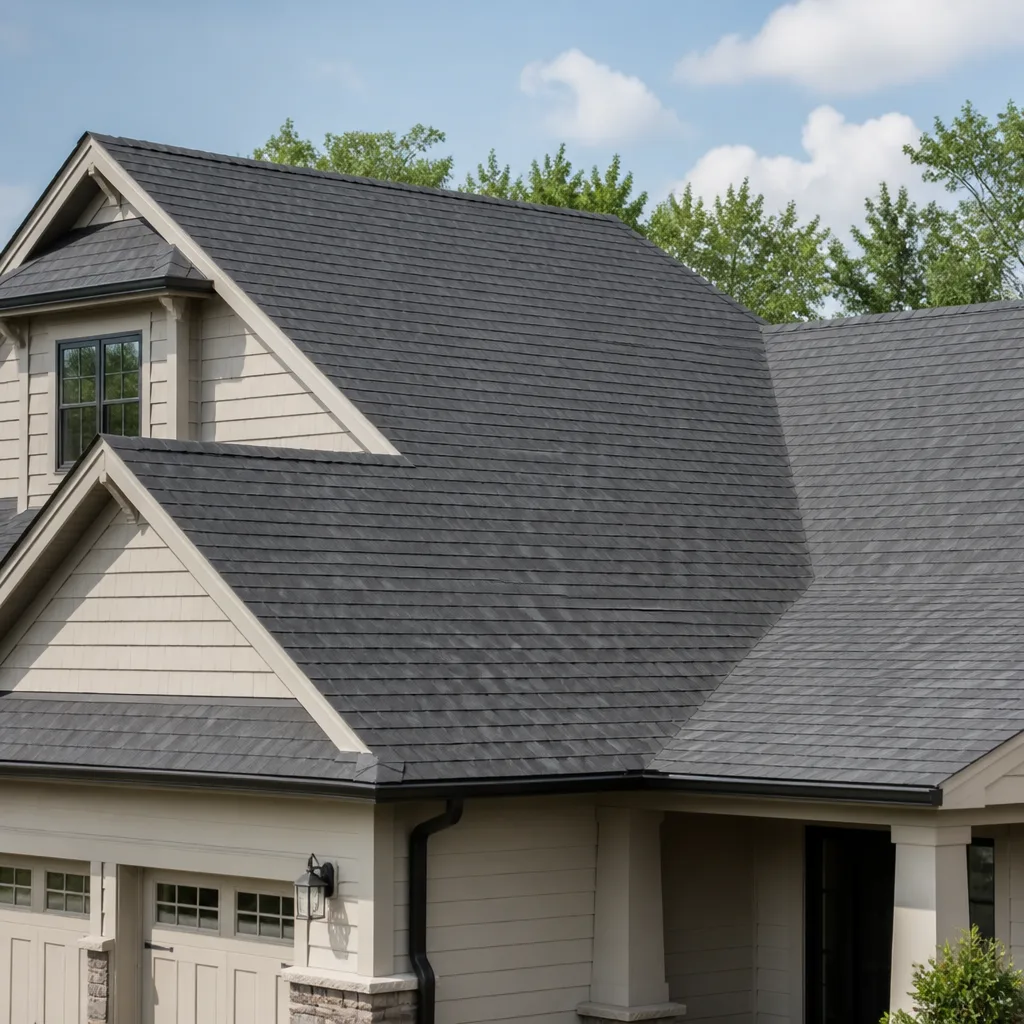
- Roofing on steep pitches or with structural decking replacement: Roofing in Pasadena requires a building permit for complete replacement. The liability exposure is high because water intrusion damage often isn’t visible for months. Steep roofs (6:12 pitch or greater) present genuine fall hazards that homeowners underestimate.
How Pasadena’s HPOZ Rules Change the DIY Calculation
Pasadena has 18 Historic Preservation Overlay Zones covering roughly 40% of the city’s residential parcels. If your property sits in an HPOZ - including Bungalow Heaven, Landmark, Prospect Park, or Casa Grande - the DIY-vs.-hire decision changes fundamentally.
Here’s the rule that catches homeowners: exterior work on a “contributing structure” (one that helps define the historic character of the district) requires Design Review approval before any building permit can be issued. This applies to the homeowner doing their own work, not just contractors. Painting your front door a non-historic color, replacing windows with the wrong profile, or installing a visible solar array without HPOZ approval can result in a stop-work order and a requirement to restore the original condition at your expense.
The Design Review process in Pasadena typically takes 4-6 weeks and requires submission of material samples, color chips, and sometimes photographs of comparable approved projects. For window replacement, the HPOZ guidelines often require wood sash or clad-wood profiles that match the original sight lines - not the vinyl retrofits sold at big-box stores. We’ve specified CWS, ES Windows, ECO Window Systems, and Mr-Glass products for HPOZ projects because these manufacturers offer custom profiles that satisfy the Preservation Commission’s requirements for divided-light appearance and narrow frame dimensions.
Interior work in an HPOZ generally does not require Design Review unless it affects the exterior (removing a fireplace that vents through a visible chimney, for example). But the HPOZ ordinance does require that any visible addition - even a rear deck under 200 square feet - undergo design review if it’s visible from the public right-of-way or an adjacent property.
The practical implication: if you’re in an HPOZ, your DIY window replacement that saves $2,000 in labor can be rejected at Design Review because the window profile is incorrect, forcing you to remove installed units and start over. A contractor who works regularly in your specific HPOZ knows the unwritten preferences of the Preservation Commission and can specify products that pass review the first time. That knowledge has tangible value.
For homeowners unsure of their HPOZ status, the Pasadena Planning Department maintains an interactive map. Search your address before planning any exterior project. The $0 you spend confirming your status can save the $3,000-$8,000 we’ve seen homeowners lose to HPOZ compliance removals.
The Real Cost Comparison: A Formula That Includes Your Time and Liability
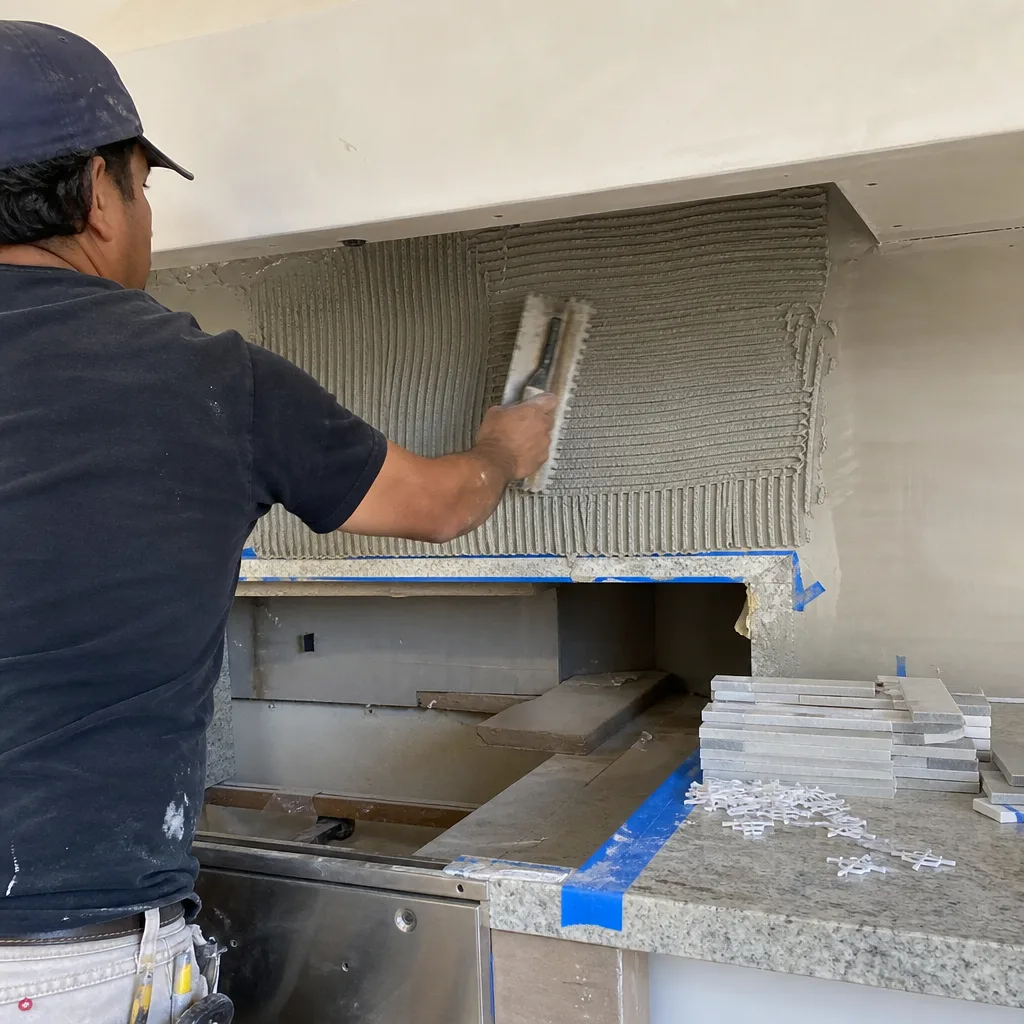
Most DIY cost comparisons stop at materials versus contractor bid. This is wrong. Here’s the formula we use when advising Pasadena homeowners on whether to self-perform:
DIY True Cost = Materials + Tools + (Your Hours × Your Hourly Rate) + Permit Fees + (Probability of Rework × Cost of Rework) + (Probability of Resale Impact × Cost of Retroactive Compliance)
Professional True Cost = Signed Bid + $0
Let’s apply this to a real project: replacing a bathroom vanity and relocating the plumbing rough-in by 18 inches.
| Cost Component | DIY | Professional (Rowan Bid Range) |
|---|---|---|
| Vanity and top | $800-$1,400 | $800-$1,400 (pass-through, no markup on fixture) |
| Plumbing supplies, shutoff valves, PEX | $120-$200 | Included in bid |
| Tools (pipe cutter, crimper, basin wrench if not owned) | $80-$150 | $0 |
| Your time (16 hours at $50/hour - median Pasadena household income equivalent) | $800 | $0 |
| Plumbing permit | $180 | Included in bid |
| Probability of leak requiring drywall repair (15% × $1,200) | $180 | $0 (covered by workmanship warranty) |
| Resale impact: unpermitted plumbing modification discovered in disclosure review (5% × $5,000 retroactive permit cost) | $250 | $0 |
| Total True Cost | $2,410-$3,160 | $2,200-$2,800 (typical Rowan bid for this scope) |
The DIY “savings” evaporates once you account for time and risk. And this example assumes you don’t hit the common complications: galvanized supply lines that crumble when disturbed, a flange set too high for the new vanity depth, or a vent stack that needs extension to meet current code. Each of these can add $400-$1,200 in unplanned costs.
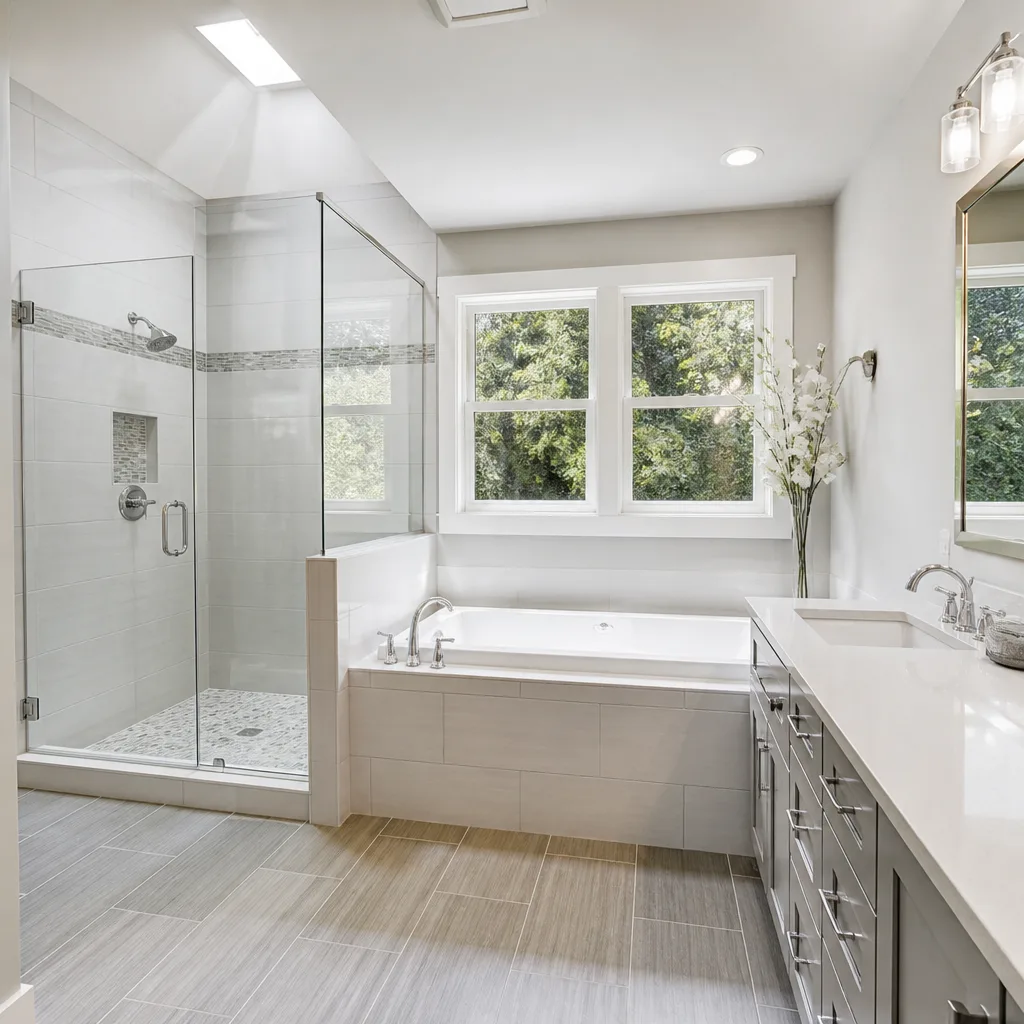
For larger projects, the math tilts further toward professional work. A bathroom remodeling in Pasadena with tile shower, new plumbing rough-in, and electrical updates typically runs $18,000-$32,000 when we quote it. We’ve seen homeowner DIY attempts on equivalent scope reach $14,000 in materials and tools alone, then stall for months when the shower pan fails the flood test or the electrical inspector requires GFCI rewiring. The final professional remediation often costs more than our original bid would have, because we now have to remove and replace someone else’s work.
Under Clause 1 of the Haven Standard, the price we put in writing before any work starts is the price you pay, with change orders signed before any additional work proceeds. That certainty has value that doesn’t appear in the simple materials-vs.-bid comparison.
The Hybrid Model That Works in Pasadena
There is a middle path that captures most of the DIY savings without assuming the full liability exposure. We call it the rough-to-finish split, and it’s the most common successful hybrid we see in Pasadena’s older housing stock.
The model works like this: you hire a licensed contractor to pull permits, perform all inspectable rough work, and pass inspections. Then you complete the finish work yourself. This keeps the permit record clean, ensures code-compliant rough-in, and lets you invest sweat equity where skill matters less than patience.
- Contractor scope: Permit pull, demolition to substrate, structural repairs, plumbing rough-in, electrical rough-in, HVAC rough-in, insulation, drywall hanging (not finishing), and all inspections. The contractor’s license and insurance cover this phase. The permit record shows licensed work throughout.
- Homeowner scope: Drywall finishing (mud and tape), priming and painting, cabinet installation (if not custom), hardware, decorative tile, flooring (floating or click-lock), trim carpentry, and final cleanup.
The sequence matters. Drywall must be hung before you start finishing, obviously, but less obviously: the electrical inspector needs to see outlets wired but not yet covered by drywall. The plumbing inspector needs pressure testing before insulation covers the pipes. If you jump ahead and install tile over a shower pan that hasn’t passed flood test, you risk full removal.
For kitchen remodeling in Pasadena, a typical hybrid split saves $4,000-$7,000 on a $35,000 project. The contractor handles cabinet layout verification (critical in Pasadena’s non-square older homes), electrical circuit additions, and permit coordination. The homeowner installs the cabinet hardware, paints walls and ceiling, and installs the backsplash. We’ve written this split explicitly into scope documents for clients who wanted the savings without the liability.
One Pasadena-specific consideration: if your home is in an HPOZ, the hybrid model still requires Design Review for any exterior-visible work. The contractor can’t bypass this by having you pull the permit. Plan the 4-6 week Design Review timeline into your schedule regardless of who performs the work.
The hybrid model fails when homeowners reverse the sequence - doing demolition or rough work themselves, then calling a contractor to “fix it and finish.” We decline these projects regularly because we can’t warranty work built on an unknown substrate. The permit record is also broken: the city has no documentation of who performed the concealed work. If you’re considering hybrid, commit to the rough-to-finish split from the start.
Common Mistakes to Avoid
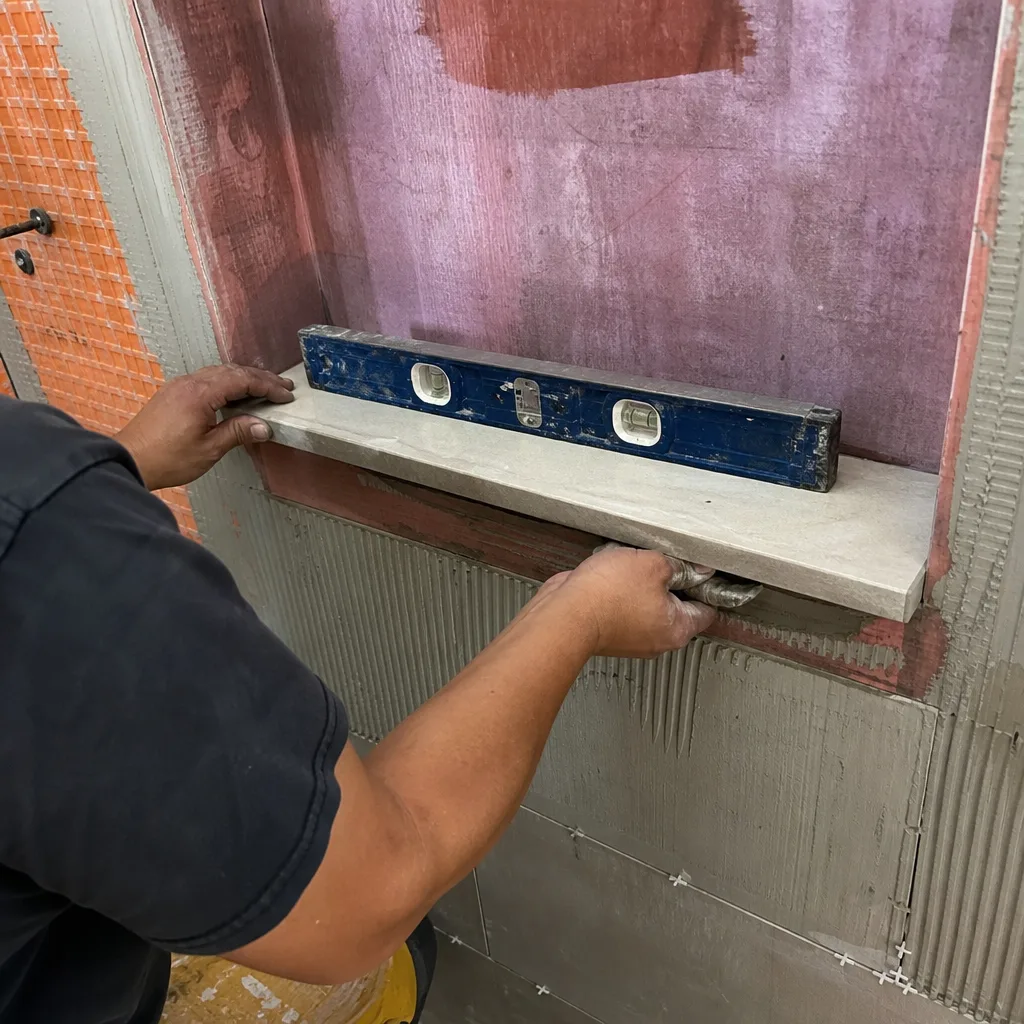
- Pulling no permit because the project “seems small.” Pasadena requires permits for water heater replacement, electrical service upgrades, and any structural modification regardless of size. Unpermitted work must be disclosed at sale and can trigger retroactive permitting at 150% of normal fees plus possible removal requirements.
- Assuming YouTube tutorials match Pasadena’s code amendments. California adopts the national codes with state amendments, and Pasadena adds local amendments for seismic, energy, and historic preservation. A tutorial filmed in Texas or Florida may show methods that fail inspection here.
- Using big-box store design staff for load-bearing wall identification. Those staff are salespeople, not structural engineers. We’ve seen three cases in the last two years where homeowners removed walls based on store advice and discovered active structural loads. The repair cost exceeded $15,000 in each case.
- Ignoring the 10-year owner-builder liability window. You may sell before a defect appears, but California’s statute runs with the property, not the owner. The buyer’s insurer can subrogate against you years later if they can trace damage to unpermitted or owner-builder work.
- Skipping the HPOZ check for “minor” exterior changes. In the Landmark HPOZ, a homeowner replaced a front door with a Craftsman-style reproduction from a national retailer. The Preservation Commission rejected it because the stile width was 1/4 inch too narrow. The door had to be removed and replaced at $2,800 cost.
- Underestimating tool costs for one-time use. A tile wet saw, plumbing crimper, and finish nailer rental can add $400-$600 to a project. If you won’t use them again, this is pure overhead that professional contractors absorb across hundreds of jobs.
- Hiring unlicensed help under an owner-builder permit. This converts your permit into evidence of a misdemeanor if anything goes wrong. Workers’ compensation claims from uninsured “helpers” have put Pasadena homeowners into personal bankruptcy.
When to Call a Professional
Call a licensed contractor when the work requires a permit you don’t fully understand, when a mistake would damage structure or safety, when your home is in an HPOZ and exterior work is involved, or when you plan to sell within 10 years and want clean disclosure. The 365-Day Done Right Promise from Rowan Construction Group Pasadena means if it’s not done right, we make it right - backed by The Haven Standard, not a handshake. Every project gets a written price before any work starts, a documented photo record on every visit, and no change proceeds without your signature on a written change order. For projects where you’re genuinely uncertain, we offer a Free Second Opinion on any written estimate - bring a competitor’s quote and we’ll review it line by line at no charge. Call (562) 203-4508 to schedule your free estimate in Pasadena.
Frequently Asked Questions
Retroactive permitting in Pasadena typically costs 150% of the original permit fee plus the cost of any required exploratory work to verify concealed conditions. For a bathroom remodel, we’ve seen retroactive costs range from $3,500 to $8,000, not including repairs needed to bring concealed work into view for inspection. The city may also require engineering letters for structural or seismic work. Call (562) 203-4508 for a free estimate if you’re facing this situation - we can assess what’s needed and quote the remediation.
Pasadena allows homeowners to perform electrical work on their own residence, but the permit must be pulled in your name and you assume full liability for defects. We don’t recommend this for anything beyond device replacement (outlets, switches, fixtures on existing circuits). New circuits, panel work, and service upgrades require code knowledge that changes with each NEC adoption cycle. The 2023 California Electrical Code has 47 state amendments to the national standard. A failed electrical inspection can require drywall removal throughout the circuit path, turning a weekend project into a multi-week repair.
DIY work affects resale value primarily through disclosure obligations, not quality judgments. California’s Transfer Disclosure Statement requires you to disclose any unpermitted work you know about. Buyers’ lenders and insurers increasingly require permit verification for electrical, plumbing, and structural work. In Pasadena’s competitive market, a clean permit history is a selling point; unpermitted work becomes a negotiation lever for the buyer or a reason to pass entirely. We’ve seen buyers in the San Rafael Hills area walk from deals over unpermitted kitchen additions that would have cost $6,000 to permit properly.
Most reputable contractors, including Rowan Construction Group Pasadena, will decline to take over mid-project work where the substrate and concealed conditions are unknown. If we do accept, we can’t warranty the work we didn’t perform, and the permit record will show a gap that raises questions at resale. The most expensive projects we’ve seen are DIY starts that required full removal and restart. If you’re uncertain about completing a project, consult a contractor before starting, not after you’re stuck.
Yes: interior painting, cabinet hardware installation, basic landscaping, and decorative tile backsplashes are genuinely cheaper when self-performed, assuming you already own or can borrow basic tools. These tasks require no permit, carry no liability exposure, and mistakes are reversible. The savings disappear when you factor in tool purchases for one-time use or when the task involves concealed conditions (wallpaper removal over damaged plaster, for example, which we see frequently in Pasadena’s 1920s homes).
Search your address on the Pasadena Planning Department’s Historic Preservation map, available on the city website. The map shows HPOZ boundaries and indicates whether your structure is classified as “contributing” or “non-contributing.” Contributing structures require Design Review for exterior work; non-contributing structures follow standard permit rules. If you’re uncertain, call the Planning Department’s Preservation staff at (562) 203-4508. We also verify HPOZ status as part of our initial site visit for any exterior project. Call (562) 203-4508 to schedule.
The Bottom Line
The DIY-vs.-professional decision in Pasadena is a permit-and-liability calculation first, a skill assessment second. Cosmetic work with no permit requirement and reversible mistakes is where homeowners save real money. Electrical, structural, gas, and roofing work is where the hidden costs - permit fees, tool purchases, your time at honest valuation, failed inspection rework, and decade-long liability exposure - typically exceed any contractor bid savings. For exterior work in one of Pasadena’s 18 HPOZs, the Design Review requirement adds a procedural layer that DIY approaches often miss entirely. The hybrid rough-to-finish model captures most DIY savings while keeping the permit record clean and the liability where it belongs. Wherever you land on the spectrum, get the permit status in writing before starting, verify your HPOZ obligations, and calculate your true cost with time and risk included - not just materials against a bid.
Written by Grant Rowan, Owner at Rowan Construction Group Pasadena, serving Pasadena since 2007.