
Last updated September 24, 2026
Free written scope consultation - allowances, timeline, and change-order rules on paper before a single trade is scheduled

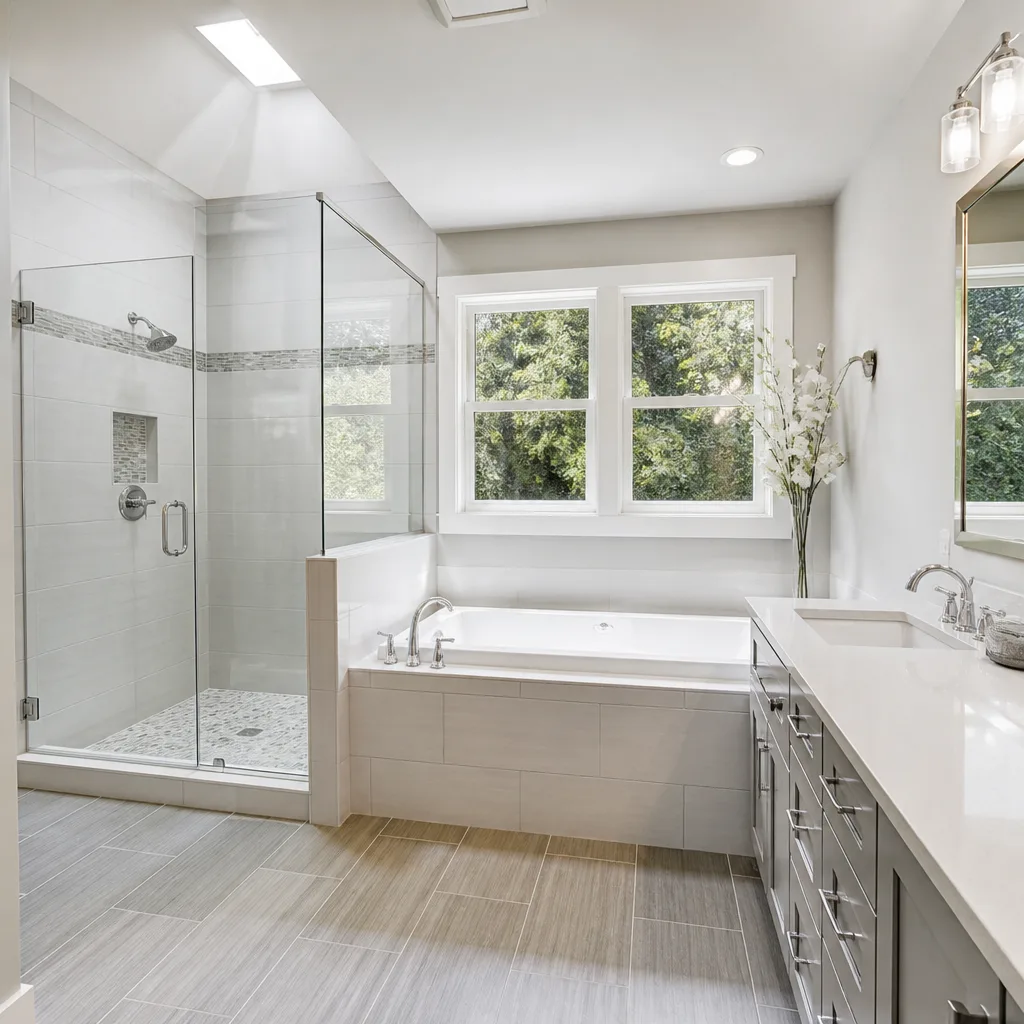





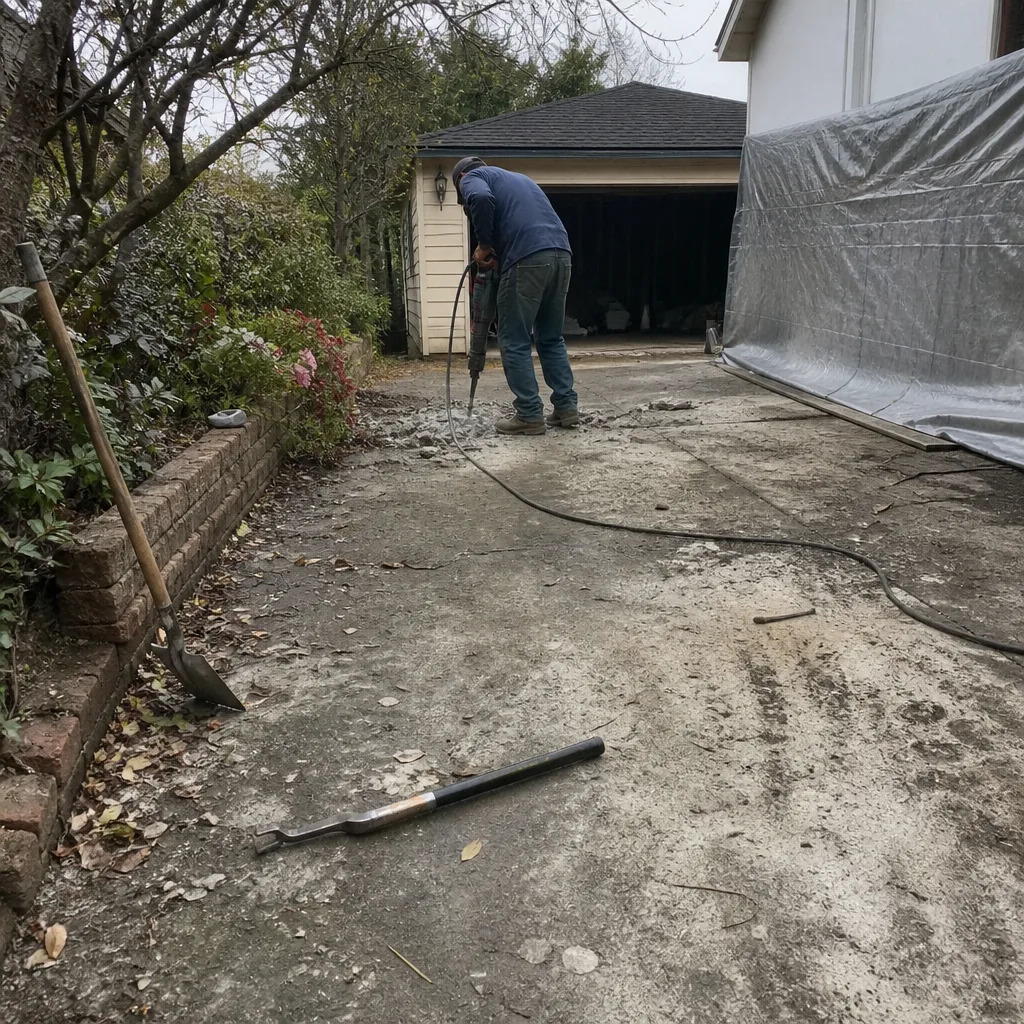 Before
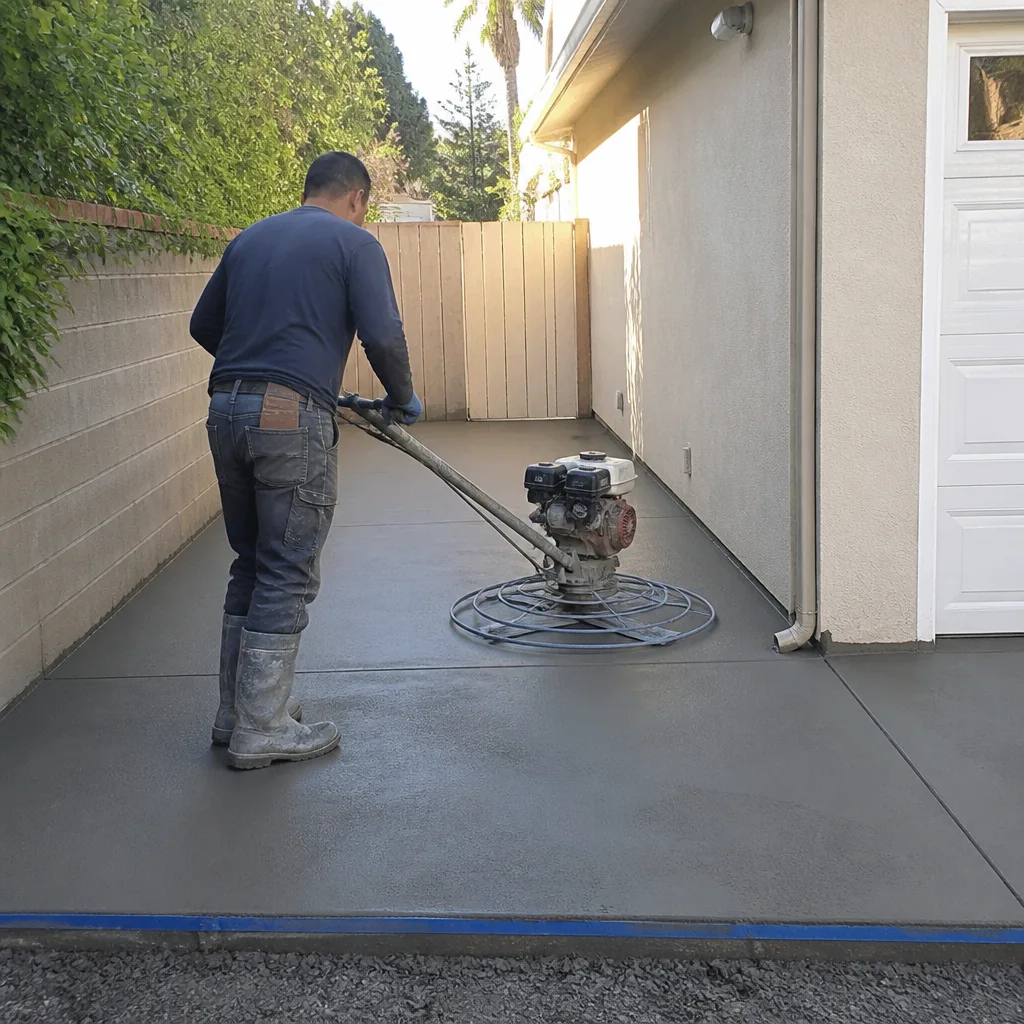 After
After Before
 After
AfterKitchen Remodeling Maintenance Checklist for Pasadena Homeowners
Grout failure, under-cabinet wiring that trips a 20-amp circuit, and a dishwasher drain that vents into the wrong loop - three of the most common post-remodel complaints in Pasadena kitchens - are invisible on punch day and obvious by month six. We’ve delivered over 4,000 kitchen remodeling projects since 2007, and the defects that turn a $60,000 kitchen into a $75,000 one almost always surface in the first eighteen months, not at the walk-through. This guide covers what to inspect, test, and document after the crew leaves, with a 30/90/180-day schedule built for Pasadena’s hard water, seismic code requirements, and the documentation standards that protect your investment at resale.
Quick Answer
A proper kitchen remodeling maintenance checklist for Pasadena homeowners - see Seasonal Construction Care for Pasadena: Year-Round Homeowner’s Guide for related seasonal tasks - centers on four inspection windows: 30 days for grout cure and caulk adhesion, 90 days for cabinet hardware settling and electrical load testing, 180 days for plumbing seal stress and exhaust duct integrity, and annual intervals for hard-water scale management on fixtures and appliances. Keep your permit card, final inspection sign-off, and all product model numbers in one file - a missing final inspection card can stall a Pasadena home sale for weeks.
Table of Contents
- Why Defects Hide Beyond the Punch List
- The 30-Day Inspection: Grout, Caulk, and Initial Cure
- The 90-Day Inspection: Cabinet Hardware and Electrical Load
- The 180-Day Inspection: Plumbing Seals and Exhaust Systems
- Pasadena Hard Water: Fixture and Appliance Protection
- The Documentation File: What to Keep and Why
- Maintenance That Voids Manufacturer Warranties
- The Annual Maintenance Calendar
 Before
 After
AfterWhy Defects Hide Beyond the Punch List
The punch-list walk-through happens in a finished space with fresh paint and protective plastic still on appliances. It’s designed to catch cosmetic issues: a scratch here, a misaligned drawer there. But the systems that fail expensively - electrical, plumbing, exhaust, and waterproofing - require load, vibration, and thermal cycling to reveal themselves.
In Pasadena, we see three accelerants that compress the failure window. First, seismic activity, even minor tremors, stresses cabinet anchoring and grout joints within weeks of install. Second, the temperature swing between a 55-degree winter morning and an 85-degree afternoon in a south-facing Pasadena kitchen creates expansion-contraction cycles in caulk and sealant. Third, Metropolitan Water District sources deliver 300-400 ppm total dissolved solids - hard water by any standard - which begins scaling faucet aerators and dishwasher inlet valves from day one of use.
The contractors who built your kitchen knew this. That’s why manufacturer warranties for cabinets, countertops, and fixtures all contain language about “proper maintenance” as a condition of coverage. The homeowner who documents the 30/90/180-day cycle preserves both the kitchen’s function and the warranty’s validity.
Our crews at Kitchen Remodeling in Pasadena leave every job with a documented photo record and a written scope - standard deliverables, not add-ons. But no contractor can live in the space. The maintenance cycle belongs to the homeowner, and this checklist tells you exactly what to look for.
The 30-Day Inspection: Grout, Caulk, and Initial Cure
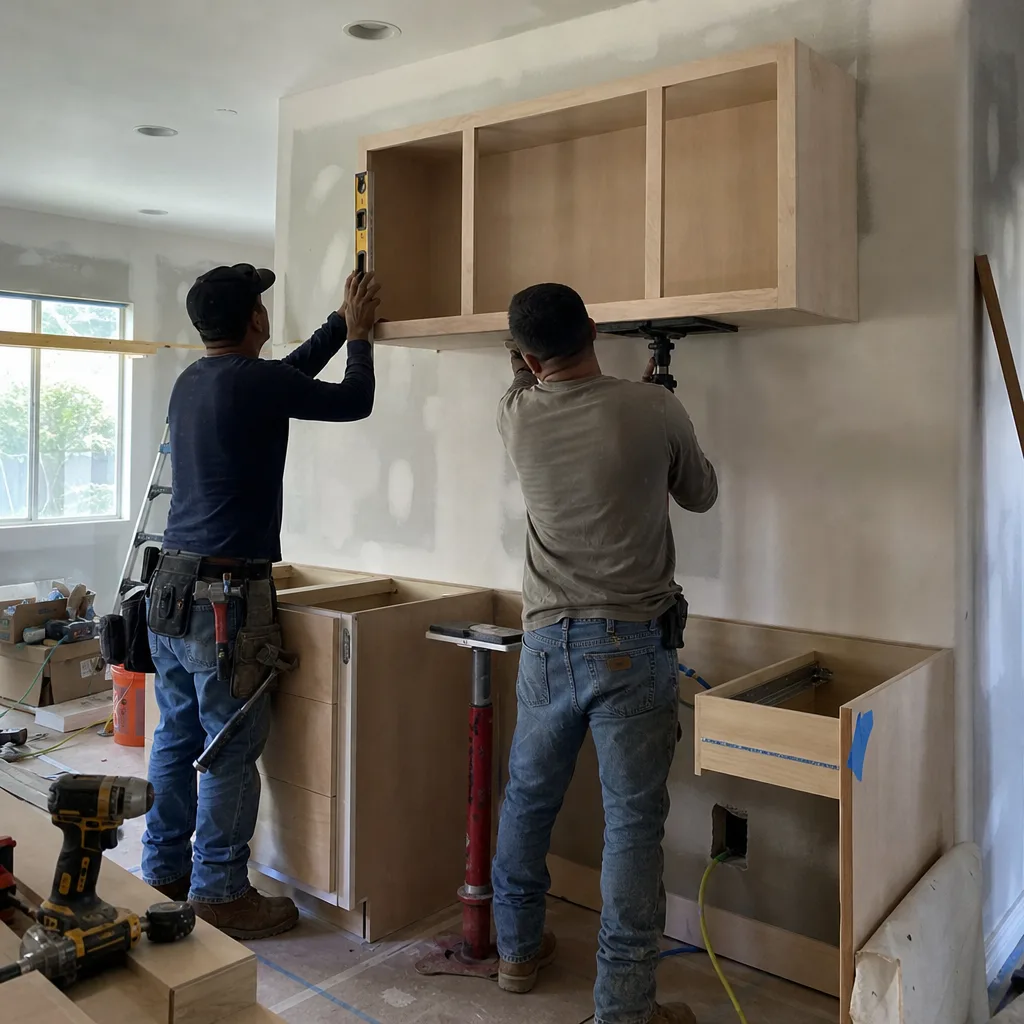
Thirty days is the critical window for cementitious grout cure and silicone caulk polymerization. Most grout manufacturers specify a 28-day full cure for Portland cement-based products; epoxy grouts cure faster but still require 72 hours of no water contact. Caulk joints at countertop-to-backsplash transitions, sink rims, and window surrounds need undisturbed curing time that the first month of kitchen use rarely respects.
What to Inspect at 30 Days
- Grout joints in wet areas: Check the backsplash behind the range and sink for hairline cracking or powdering. Run a fingernail across the joint - it should feel solid, not chalky. In Pasadena’s low-humidity fall and winter months, grout can desiccate too quickly, leading to weak cure. A light misting during weeks one and two helps, but at day 30, you’re looking for evidence that didn’t happen.
- Caulk bead continuity: Trace every silicone joint with a flashlight held at a low angle. Gaps, bubbles, or separation from either substrate mean the bond failed. The most common failure point in Pasadena kitchens is the countertop-to-backsplash seam, where daily wipe-downs begin before the silicone has fully cross-linked.
- Under-cabinet lighting and outlets: Test every GFCI outlet with the test/reset button. Run all under-cabinet LED strips for a continuous four-hour period - the heat sink design of most strips reveals inadequate ventilation only after sustained operation. We’ve found LED drivers mounted inside cabinets with no airflow clearance; they don’t fail immediately, but they fail early.
- Dishwasher installation integrity: Open the kick plate and verify the drain loop is secured at least 32 inches above the floor - Pasadena plumbing code requires this anti-siphon height, and a lazy install will vent drain gas into the tub. Check the supply stop under the sink for weeping; the compression ferrule seats fully only after several heating cycles.
Document anything suspect with dated photos. If you hired Rowan Construction Group Pasadena home, these go into your project file and trigger our 365-Day Done Right Promise if action is needed.
The 90-Day Inspection: Cabinet Hardware and Electrical Load
Ninety days is when structural settling completes and hardware torque requirements become meaningful. A kitchen cabinet in Pasadena sits on a concrete slab or raised foundation that responds to soil moisture, seismic micro-movements, and the weight of 300 pounds of stone countertop. Drawer slides and hinge systems are designed to accommodate minor racking, but only if adjusted within specification.
Cabinet Hardware: Blum and Grass Systems
The two hinge systems we specify most often in Pasadena kitchens are Blum Clip-top and Grass Nexis. Both use three-axis adjustment - depth, side, and height - accessed via screws behind a decorative cap. At 90 days, with settling complete, these adjustments matter.
- Blum Clip-top: The depth adjustment screw (front of hinge arm) controls door-to-frame gap. Specification is 2-3 mm. Tighten to 1.5 Nm torque - roughly finger-tight plus a quarter turn with a Phillips #2. Over-torquing strips the Pozidriv head.
- Grass Nexis: The side adjustment screw (center of hinge cup) controls door overlay. Specification is 0 mm gap at the stile. Use a 3 mm hex key; torque spec is 2 Nm, which feels snug but not forced.
- Drawer slides: Full-extension soft-close slides (Blum Tandem or Grass Dynapro) should be tested with 75% of rated load - typically 75 pounds for a 24-inch base cabinet. Load the drawer with pots, then test for binding or racking. The soft-close mechanism should engage in the last 2 inches of travel; if it doesn’t, the slide is out of parallel.
Electrical Load Testing
At 90 days, your usage patterns are established. This is when you discover that the toaster oven and microwave on the same 20-amp circuit trip the breaker simultaneously - a condition the electrician couldn’t simulate during rough-in. Use a plug-in load meter (Kill-A-Watt or equivalent) on every countertop appliance circuit. Record the peak draw. If you’re consistently within 80% of breaker rating, request a dedicated circuit evaluation. In Pasadena, this requires a permit and inspection; keep the permit card from your original remodel handy, as the same contractor and inspector jurisdiction applies.
The photo record from your original Kitchen Remodeling in Pasadena project shows circuit routing and panel labeling. Cross-reference before adding any load.
The 180-Day Inspection: Plumbing Seals and Exhaust Systems
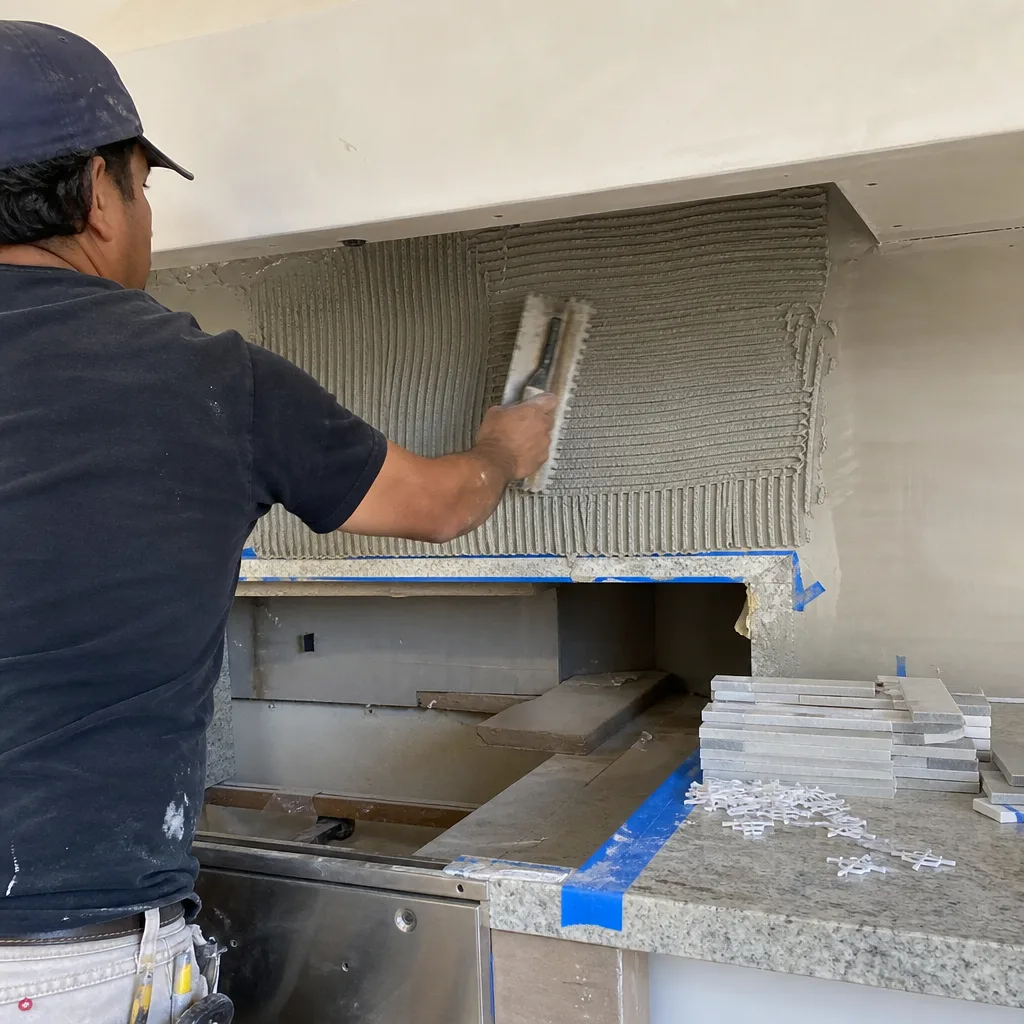
Six months is when rubber and polymer seals complete their initial compression set, and when thermal cycling has tested every joint in the plumbing and exhaust systems. This is the inspection that catches the expensive failures before they become water damage or indoor air quality problems.
Under-Sink Supply Stops and Drain Connections
- Supply stops: Turn each angle stop fully off, then fully on. It should operate smoothly through 90 degrees of rotation. Stiffness indicates mineral buildup from Pasadena’s hard water - address now, or the stop will snap when you need it in an emergency. Replace with quarter-turn ball valves if your remodel left old-style compression stops; the upgrade is $12 in parts and 20 minutes with a wrench.
- P-trap and tailpiece: Run your hand along every joint - no moisture, no mineral staining. The slip-joint nut should be hand-tight plus one-quarter turn with channel locks. Over-tightening cracks the polypropylene nut; under-tightening weeps.
- Garbage disposer: Check the discharge elbow and dishwasher inlet for leaks. Vibration from the disposer loosens these connections over the first hundred hours of use. Tighten the clamp screws; don’t rely on the spring clamp alone.
Range Hood Exhaust Duct Seals
This is the most commonly skipped inspection, and the most consequential. A recirculating hood is a different system entirely; this applies to ducted exhaust.
Remove the grease filters and use a work light to inspect the duct transition at the hood body. The damper should open fully under fan operation and seal closed when off - a stuck-open damper backdrafts cold air and admits pests. Follow the duct run if accessible (attic or crawl space); every joint should be sealed with UL-rated foil tape, not duct tape. Duct tape degrades in attic heat and fails within two years. In Pasadena’s summer attic temperatures, which regularly exceed 140 degrees, the degradation accelerates.
Check the exterior termination for lint and grease accumulation. The flap should move freely and return to closed position. If it doesn’t, replace the spring or the entire termination cap - a $15 part that prevents a $4,000 mold remediation.
Pasadena Hard Water: Fixture and Appliance Protection
Metropolitan Water District sources serving Pasadena average 300-400 ppm total dissolved solids, with calcium carbonate as the dominant mineral. This is moderately hard to hard water, and it affects every wetted surface in your kitchen on a predictable schedule.
Faucet Aerators and Spray Heads
At 300 ppm, a 1.5 gpm aerator accumulates visible scale in 60-90 days of daily use. The symptom is reduced flow or asymmetric spray pattern. Remove the aerator monthly for the first six months, then quarterly thereafter. Soak in white vinegar (5% acetic acid) for 30 minutes, brush with an old toothbrush, and reinstall with the original gasket. Do not use CLR or other acid cleaners on Kohler Vibrant finishes - the warranty specifically excludes damage from “harsh chemicals,” and we’ve seen etched PVD coatings from 15-minute exposure.
For pull-down spray heads, the check valve at the hose connection is the failure point. Scale lodges in the small orifice and causes the head to drip when docked. The fix is the same vinegar soak, but the check valve is often not serviceable separately - you replace the spray head at $80-$140 for a Kohler or comparable brand.
Dishwasher Inlet Valve and Spray Arms
The dishwasher inlet solenoid valve has a fine screen that traps scale particles. At 400 ppm, this screen restricts flow enough to trigger error codes on Bosch, Miele, and KitchenAid units within 18 months. The maintenance interval: every six months, shut off the supply, remove the braided stainless hose at the dishwasher, and extract the screen with needle-nose pliers. Rinse under tap water; if scale is adherent, soak in vinegar for 15 minutes.
Upper and lower spray arms clog at the jet orifices. Remove monthly for the first year, then quarterly. Use a straightened paper clip to clear each jet; run water through the arm to verify free flow. A partially clogged spray arm causes poor cleaning and excessive detergent use, which etches glassware over time.
Countertop Water Treatment Considerations
Whole-house softeners are common in Pasadena’s older neighborhoods but rare in post-1980 construction. If you don’t have one, consider an under-sink reverse osmosis unit for the kitchen’s potable tap. The RO membrane removes dissolved solids to below 50 ppm, protecting both fixtures and the internal components of refrigerator ice makers and instant-hot dispensers. Budget $400-$800 installed for a quality system; replacement membranes run $80-$120 annually.
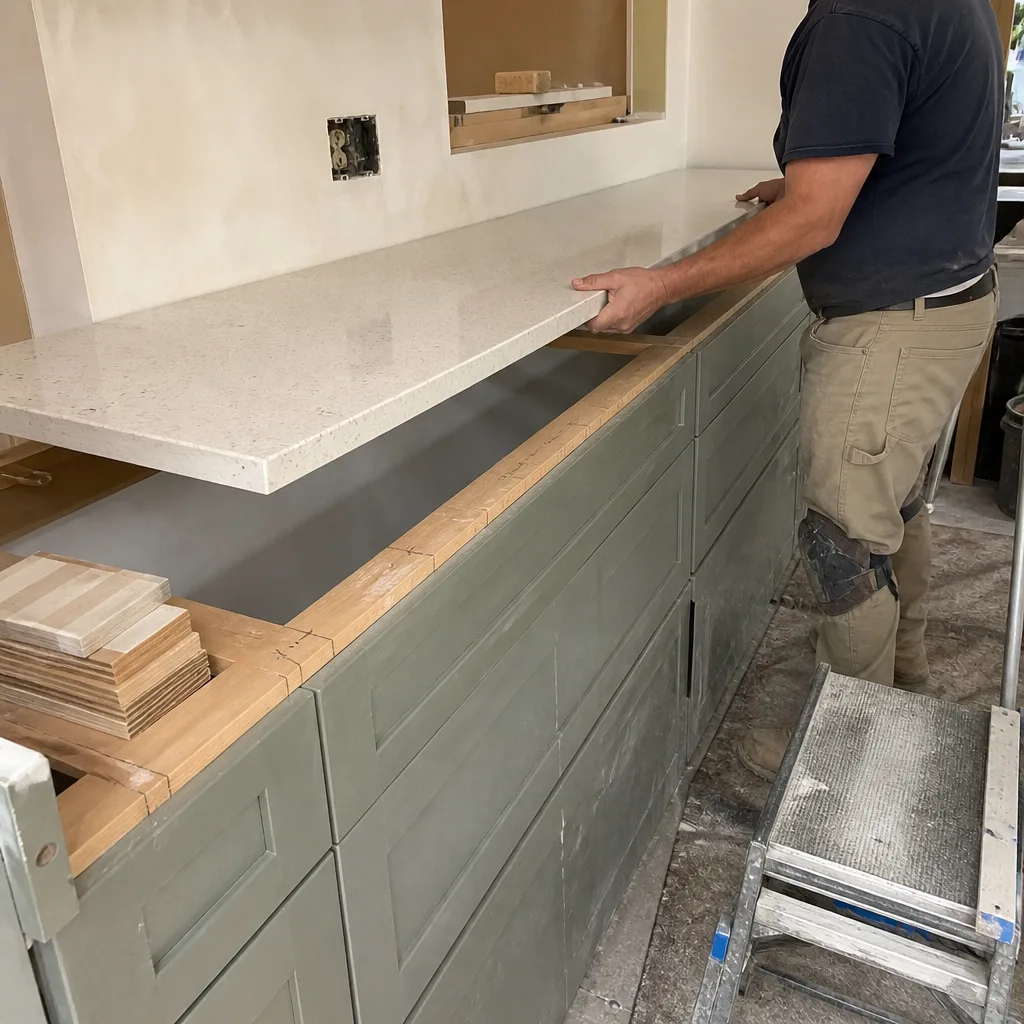
Caesarstone and Silestone quartz surfaces are non-porous and don’t require sealing, but hard water spotting is cosmetic maintenance. Wipe standing water from surfaces; the mineral deposit etches the resin surface microscopically over time, creating a dull appearance that no cleaner restores. For Bathroom Remodeling in Pasadena projects, we specify the same material discipline - the maintenance logic transfers directly.
The Documentation File: What to Keep and Why
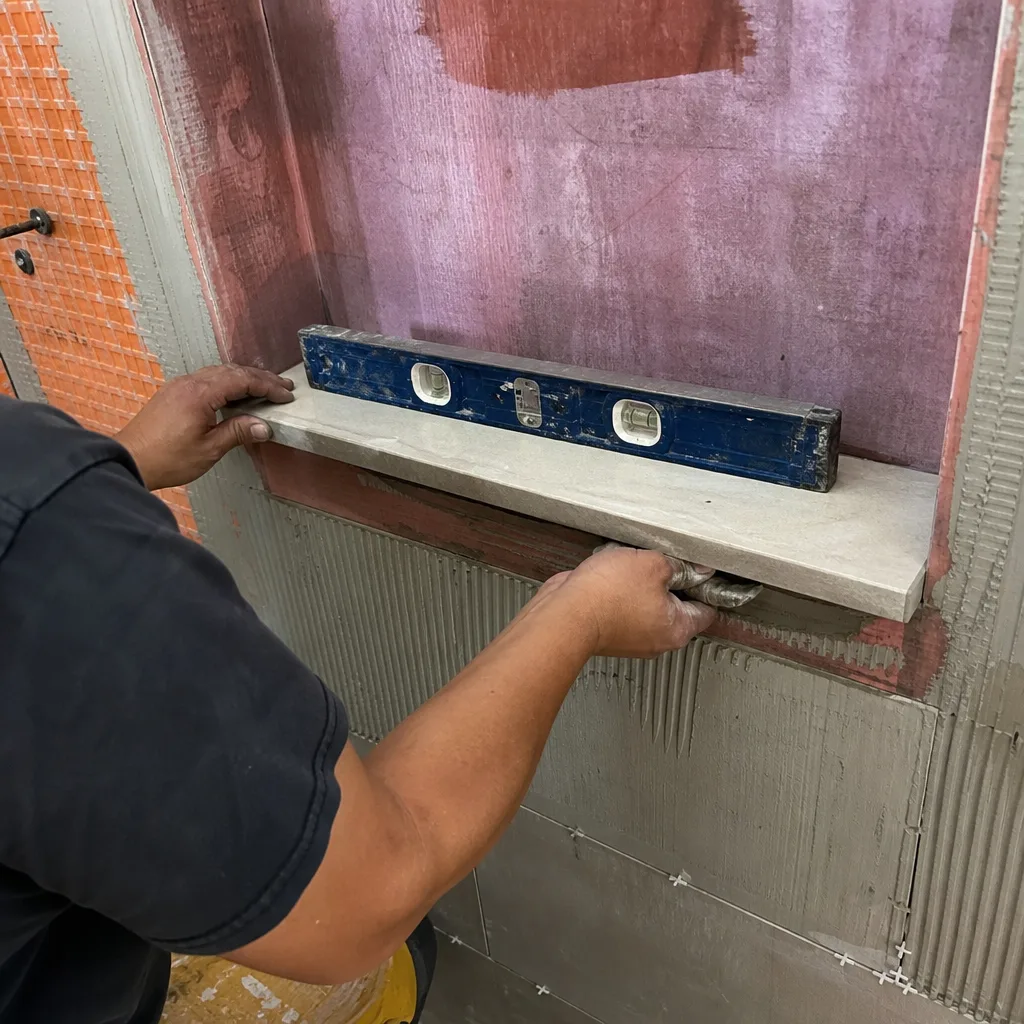
The maintenance checklist is only as good as the documentation that supports it. When a faucet cartridge fails at 14 months and the manufacturer demands proof of purchase, or when a home inspector in a future sale asks for the final plumbing inspection, the homeowner with a file wins. The homeowner without one pays twice.
The Essential Documents
- Permit card and final inspection sign-off: Pasadena requires permits for electrical, plumbing, and structural work in kitchen remodels. The final inspection card - the green or blue sticker the inspector signs - is your proof that work was performed to code. Escrow companies request this routinely; missing documentation triggers a retroactive inspection at $200-$400 plus possible rework. Keep the original and a scan.
- Written scope of work and final invoice: This defines what was done, by whom, and when. It triggers warranty coverage and establishes the baseline for future modifications. Rowan Construction Group provides this as Clause 1 of the Haven Standard - the written price before any work starts, with a written scope attached.
- Product model numbers and serial numbers: Every cabinet box, appliance, fixture, and finish material. Model numbers change; serial numbers don’t. Warranty claims require both. Photograph the rating plates on appliances before installation obscures them.
- Installer warranties and manufacturer warranties: These are separate documents with separate terms. The installer may warranty labor for one year; the manufacturer may warranty parts for five or ten. Know which is which before you call.
- Photo record of completed work: Our crews deliver this as standard - documented photos of rough-in, mid-point, and final conditions. For work you didn’t hire us for, take your own: under-sink plumbing before the cabinet is loaded, electrical panel before the cover is installed, tile substrate before grout. These reveal concealed conditions if failure occurs later.
Store physical copies in a fireproof box; maintain cloud backups in at least two services. The 30 minutes this takes saves 30 hours of frustration at resale.
Maintenance That Voids Manufacturer Warranties
Not all maintenance is good maintenance. Several common practices, often recommended in generic online guides, will void the warranties on expensive kitchen components. Know the boundaries before you act.
Quartz and Natural Stone Countertops
Caesarstone, Silestone, Cambria, and other engineered quartz manufacturers explicitly exclude damage from “improper cleaning agents” and “abrasive pads.” The specifics:
- Never use: Oven cleaner, drain cleaner, or products containing methylene chloride or trichloroethane. These dissolve the resin binder.
- Never use: Steel wool, Scotch-Brite heavy-duty pads, or dry diamond hand pads. These micro-scratch the surface, creating paths for staining.
- Never apply: Penetrating sealers to engineered quartz. The material is non-porous; the sealer sits on the surface, attracts dirt, and requires solvent stripping. Warranty voided for “unauthorized treatment.”
Natural stone - granite, marble, soapstone - requires the opposite discipline. These materials are porous and must be sealed on installation and resealed at intervals the manufacturer specifies, typically annually for marble in kitchen use, every 2-3 years for granite. Failure to seal constitutes “lack of maintenance” and voids stain warranties. Use only the sealer brand the fabricator specifies; generic big-box sealers often contain incompatible carriers that leave a hazy residue.
Cabinet Finishes
KraftMaid and Wellborn cabinet warranties exclude damage from “excessive moisture” and “direct application of cleaning solvents.” The safe practice: damp (not wet) microfiber cloth with mild dish soap, dried immediately. Standing water on a cabinet face for more than a few minutes raises the grain of painted MDF or warps solid wood stiles. Steam from a kettle directed at an upper cabinet does the same damage faster.
Appliance Self-Service
Opening the sealed compartment of a dishwasher pump motor, or attempting to reset a refrigerator sealed-system fault, voids the warranty regardless of outcome. The maintenance you can perform is defined in the owner’s manual; anything beyond that boundary is for a technician with the manufacturer’s authorization. Document any service call with the technician’s name, company, and work order number.
The Annual Maintenance Calendar
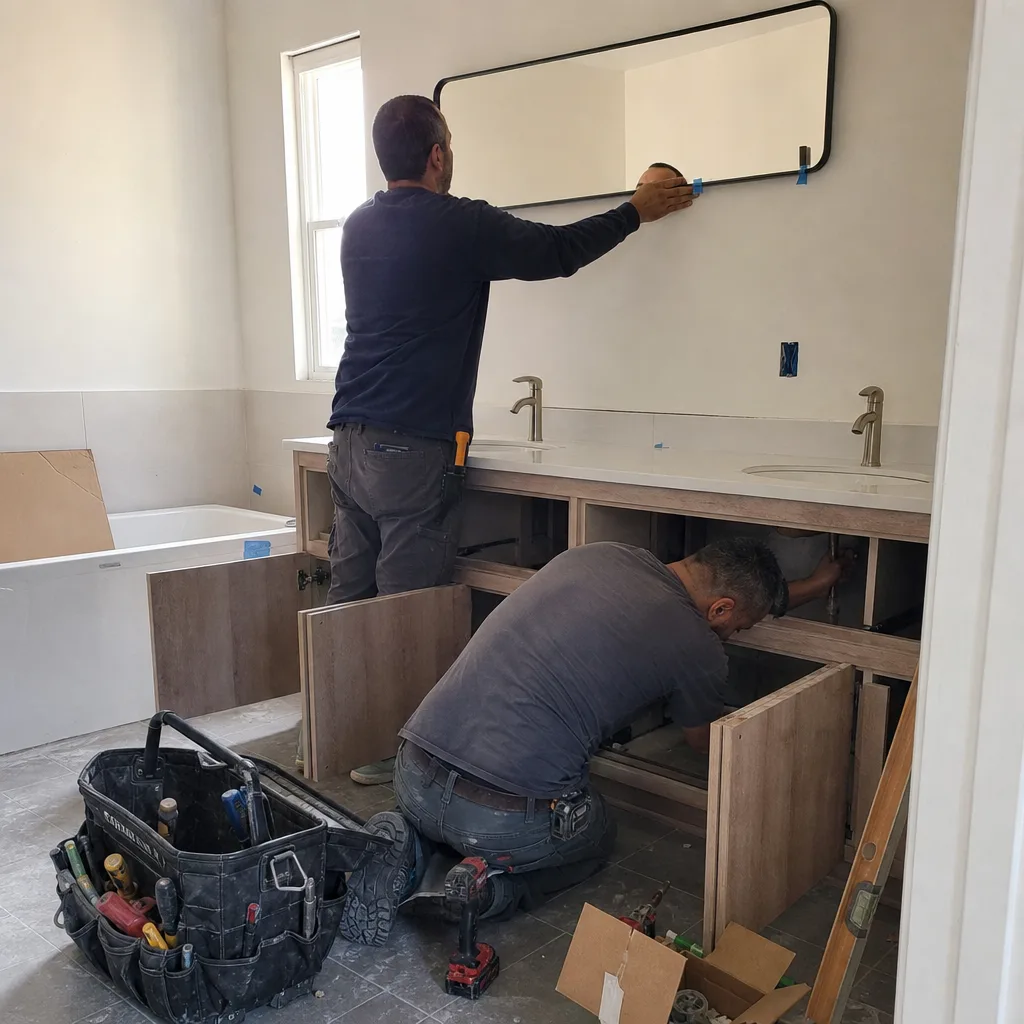
Beyond the 30/90/180-day cycle, an annual rhythm preserves function and warranty coverage. This calendar assumes a January start; adjust to your completion date.
| Month | Task | Notes |
|---|---|---|
| 1 | Deep clean range hood filters and duct termination | Degreaser soak; replace if mesh is damaged |
| 2 | Test all GFCI outlets; exercise circuit breakers | Breakers that aren’t tripped annually may fail to trip when needed |
| 3 | Descale faucet aerators and spray heads | Vinegar soak; inspect for finish damage |
| 4 | Inspect caulk joints at sink, countertop, window | Replace any joint showing separation or mildew |
| 5 | Clean refrigerator condenser coils | Every 6 months if you have pets; annually otherwise |
| 6 | Service dishwasher: clean filter, spray arms, inlet screen | Hard water interval; see Section 5 |
| 7 | Inspect under-sink plumbing for leaks and corrosion | Replace supply stops if operation is stiff |
| 8 | Check cabinet hardware torque and adjustment | Especially after seismic activity |
| 9 | Test garbage disposer grind chamber and seals | Ice cube flush sharpens blades; inspect for leaks |
| 10 | Clean and inspect tile grout; reseal if needed | Penetrating sealer for cementitious grout only |
| 11 | Verify range hood damper and exterior termination | Pre-winter check; replace worn flap springs |
| 12 | Review and update documentation file | Add any service records; verify cloud backup |
This calendar takes roughly two hours per month if done systematically. The alternative is deferred maintenance that surfaces as emergency calls - typically at 3x the cost of prevention, and always at inconvenient hours.
Common Mistakes to Avoid
- Using the punch list as the final word: A punch list catches what you can see in an hour. It doesn’t catch a dishwasher drain loop installed 6 inches below code height, or a GFCI wired to the line side only with no downstream protection. Schedule the 30/90/180 inspections regardless of how clean the punch list was.
- Ignoring Pasadena’s hard water until symptoms appear: By the time flow is noticeably reduced, scale has already damaged valve seats and heating elements. The maintenance interval is preventive, not reactive.
- Applying stone sealer to engineered quartz: We’ve seen this dozens of times - a homeowner reads “seal your countertops” in a generic guide and treats Caesarstone like granite. The result is a hazy, streaked surface that requires professional stripping at $400-$600.
- Over-torquing cabinet hinge screws: The Pozidriv heads on Blum hinges strip easily, and replacement hinges are $8-$12 each. Use a torque-limiting screwdriver or stop at “snug plus a quarter turn.”
- Skipping the documentation file because “the contractor has it”: Contractors retire, sell, or relocate. Warranties transfer to you; you need the paperwork. In Pasadena’s active real estate market, missing permit documentation can delay closing by two weeks.
- Using duct tape on exhaust duct joints: It fails in attic heat. Use UL-rated foil tape or, better, a mechanical joint with a draw band. The $3 difference in material prevents a $300 service call.
- Calling the wrong professional for warranty work: A cabinet installer can’t authorize a dishwasher pump replacement under manufacturer warranty. Know which warranty covers which component, and call the right party first.
When to Call a Professional
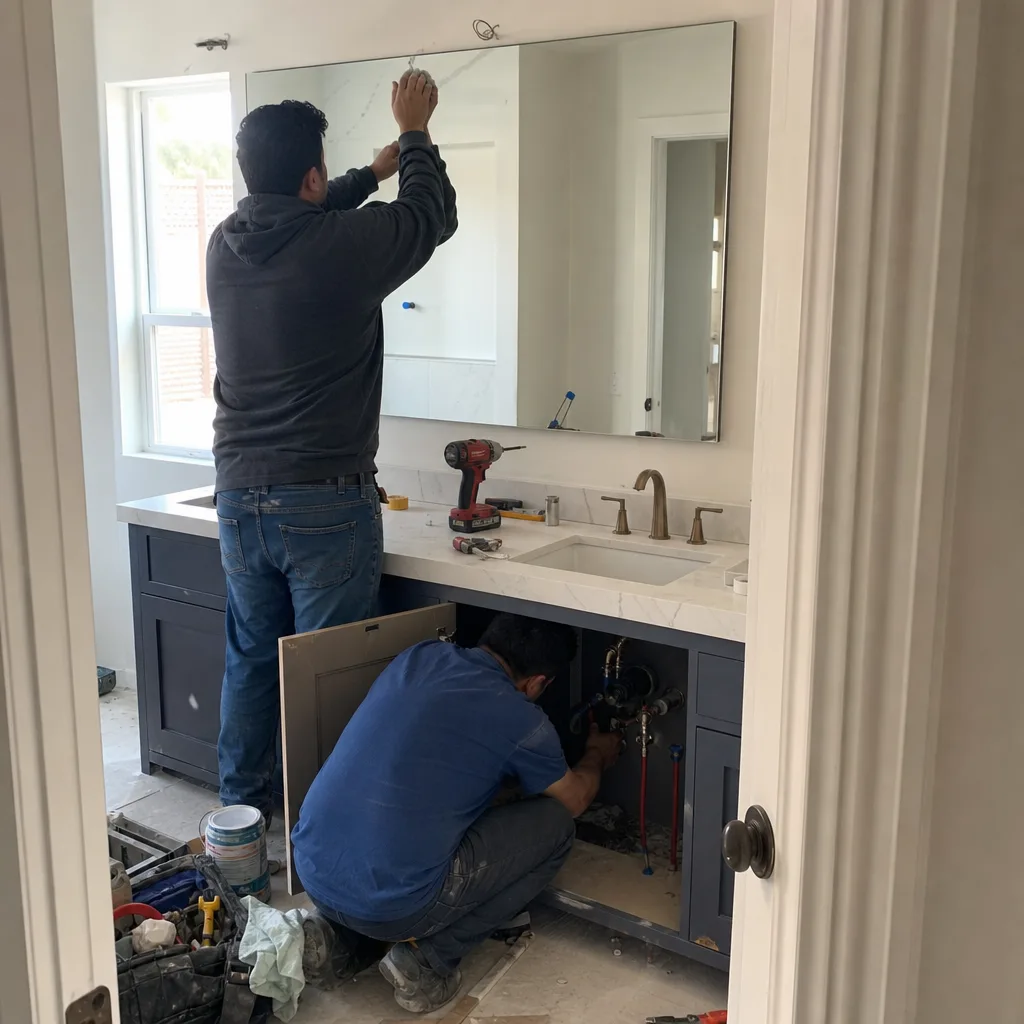
Some conditions exceed homeowner maintenance and require licensed trade intervention. Call a professional when you find: persistent moisture under the sink that reappears within 24 hours of drying (indicates active leak, not condensation); GFCI outlets that won’t reset or trip repeatedly under normal load (indicates ground fault or wiring error); cabinet doors that won’t adjust to specification with normal hinge screws (indicates racked cabinet box or failed wall anchoring, especially after seismic activity); range hood exhaust that shows grease accumulation in the duct run (indicates improper duct material or failed joint, fire hazard); or any gas appliance with odor, yellow flame, or incomplete ignition (immediate evacuation and utility company call - never attempt repair).
Rowan Construction Group Pasadena offers free estimates for kitchen remodeling and post-remodel corrections in Pasadena. If your original contractor is unresponsive or your documentation is incomplete, we’ll review the condition, quote a flat written price before any work starts, and deliver a documented photo record of everything we find. Call (562) 203-4508 to schedule.
Frequently Asked Questions
Deferred maintenance on a Pasadena kitchen remodel typically runs $2,500-$7,500 to correct, depending on whether the issues are cosmetic (re-caulking, grout repair) or systemic (electrical circuit additions, exhaust duct replacement, plumbing rerouting). The most expensive single correction we’ve quoted was $4,200 for a complete exhaust duct replacement in a 1920s Pasadena bungalow where the original installer used flex duct in an unconditioned attic - it collapsed internally and vented grease into the insulation. Call (562) 203-4508 for an exact quote on your situation; estimates are free.
No. Under Clause 1 of the Haven Standard, Rowan Construction Group delivers a flat written price with a written scope before any work begins. No change proceeds without a signed change order. This discipline is why our projects finish within a few percent of the agreed cost across 4,000-plus jobs since 2007. The price you approve is the price you pay.
Yes, if the correction involves electrical, plumbing, or structural work. Pasadena requires permits for any modification to these systems, not just new installation. The permit cost is typically $150-$400 for minor corrections. We pull permits and schedule inspections as part of our standard process; the permit card and final sign-off become part of your documentation file.
Pasadena’s dry summers and mild, occasionally rainy winters create wood movement cycles that stress cabinet joints and finishes. Relative humidity in Pasadena kitchens can swing from 25% in August to 65% in January. Solid wood doors and face frames expand and contract across this range; painted MDF is more stable but still moves at the joints. The maintenance response: check hinge adjustment quarterly for the first year, then annually; maintain indoor humidity between 35% and 55% if possible; and never direct heating vents or appliance exhaust at cabinet surfaces.
A quality kitchen remodel in Pasadena should run 15-20 years before major component replacement, with the annual maintenance calendar followed, per The Complete Guide to Construction in Pasadena. Cabinets last 20-30 years; quartz countertops are essentially indefinite with proper care; appliances average 10-15 years depending on brand and use intensity. The 30/90/180-day inspection cycle catches installation defects that would shorten these spans. Deferred maintenance is what turns a 20-year kitchen into a 10-year one.
Keep the permit card with final inspection sign-off, the written scope and final invoice, all product model and serial numbers, and all warranty documents. In Pasadena’s competitive real estate market, buyers and their inspectors increasingly request permit verification for remodeled kitchens. A missing final inspection triggers a voluntary inspection by the city’s Building and Safety Division, which can require opening walls or ceilings to verify concealed work. The documentation you maintain prevents this disruption and supports your sale price. Our crews provide the photo record and written scope as standard; add these to your file.
The Bottom Line
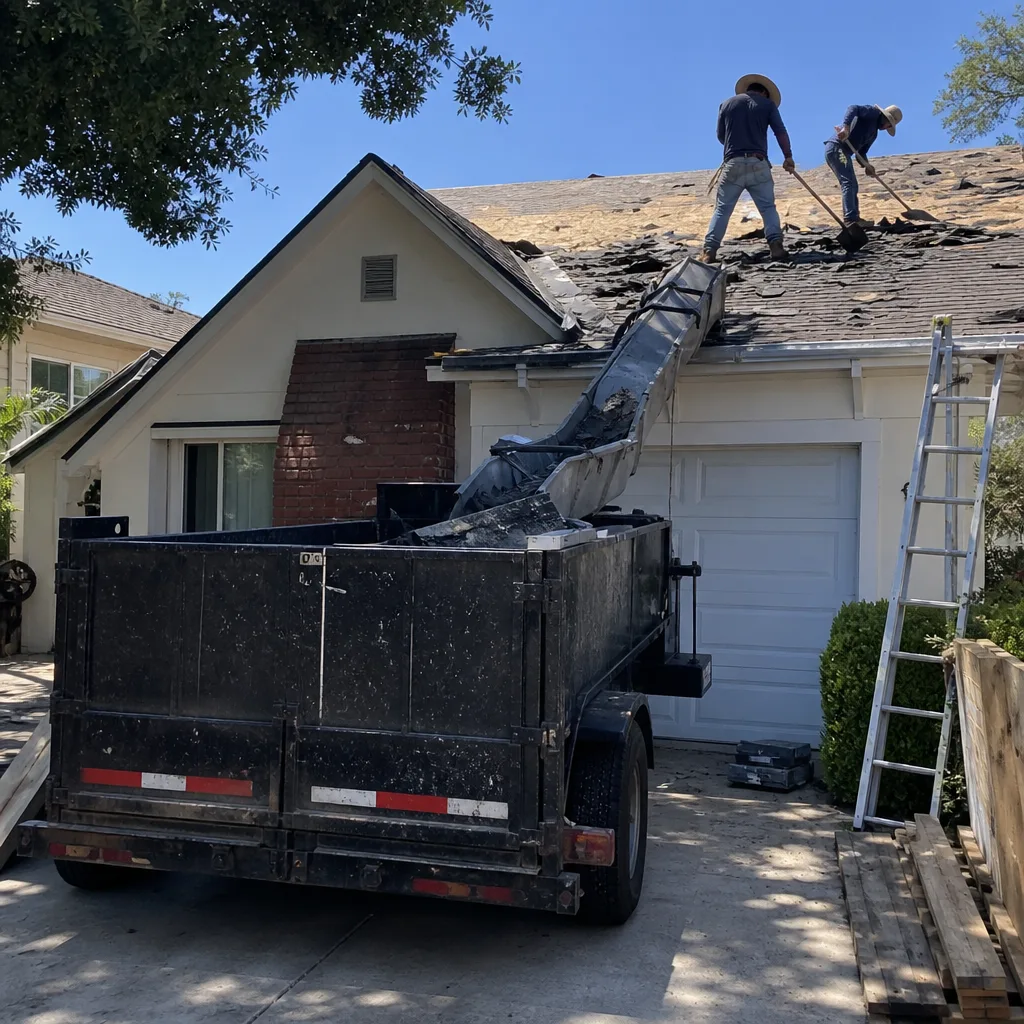
The kitchen remodeling maintenance checklist for Pasadena homeowners is not about perfection - it’s about inspection discipline at intervals that match how kitchens actually fail. For more guides & resources, visit our blog. The 30/90/180-day cycle catches installation defects before they become expensive problems. Annual hard-water maintenance protects fixtures and appliances against Pasadena’s 300-400 ppm water chemistry. Proper documentation preserves warranty coverage and prevents sale-day surprises. And knowing which maintenance actions void warranties - stone sealer on quartz, harsh chemicals on finishes, unauthorized appliance disassembly - keeps you from accidentally disqualifying your own coverage.
The crews who built your kitchen knew these rhythms. The best ones, including the teams we field at Roofing in Pasadena and across all seven trades, build with maintenance in mind - accessible shutoffs, labeled circuits, documented routing. But the living-in is yours. Inspect on schedule, document what you find, and call for professional evaluation when a condition exceeds your tools or training. The kitchen that receives this attention will function as designed for the decades its materials are rated to last.
Written by Grant Rowan, Owner at Rowan Construction Group Pasadena, serving Pasadena since 2007.