
Last updated September 24, 2026
Free written scope consultation - allowances, timeline, and change-order rules on paper before a single trade is scheduled
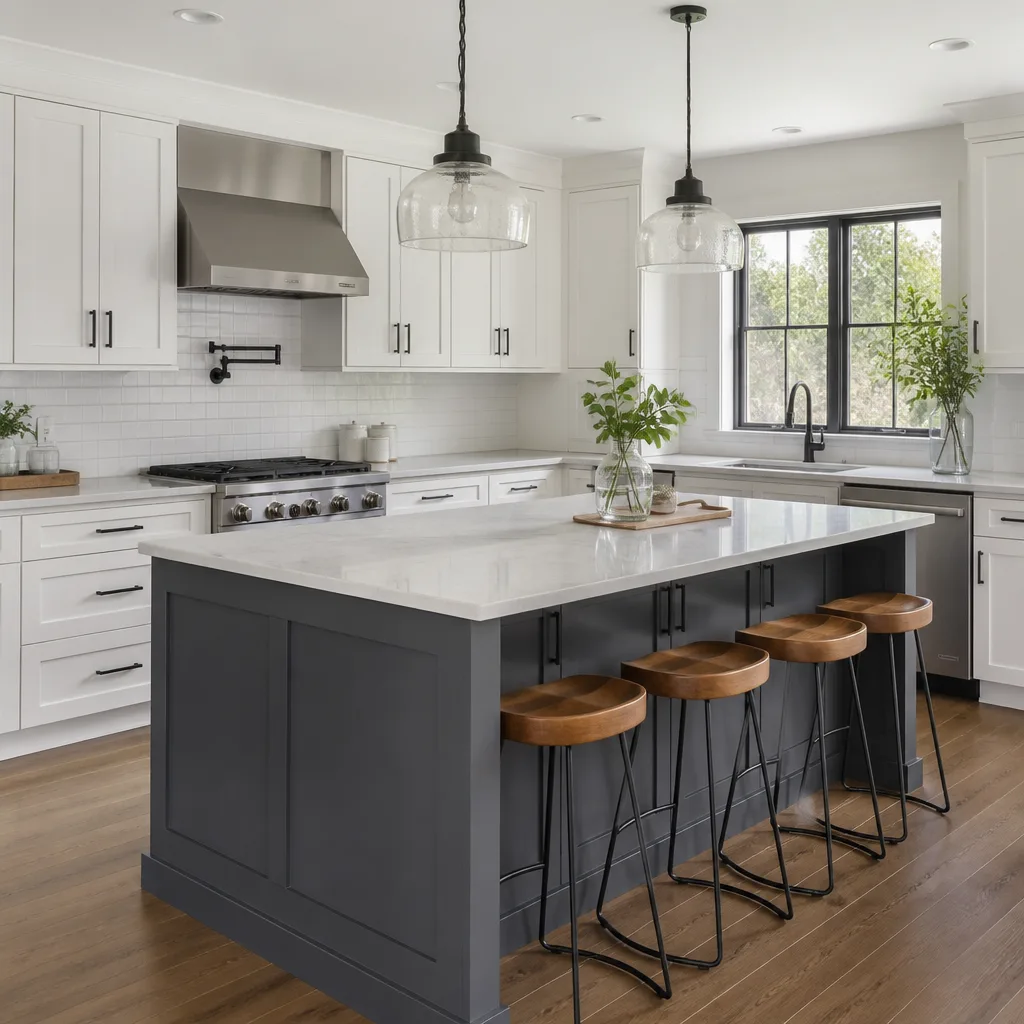
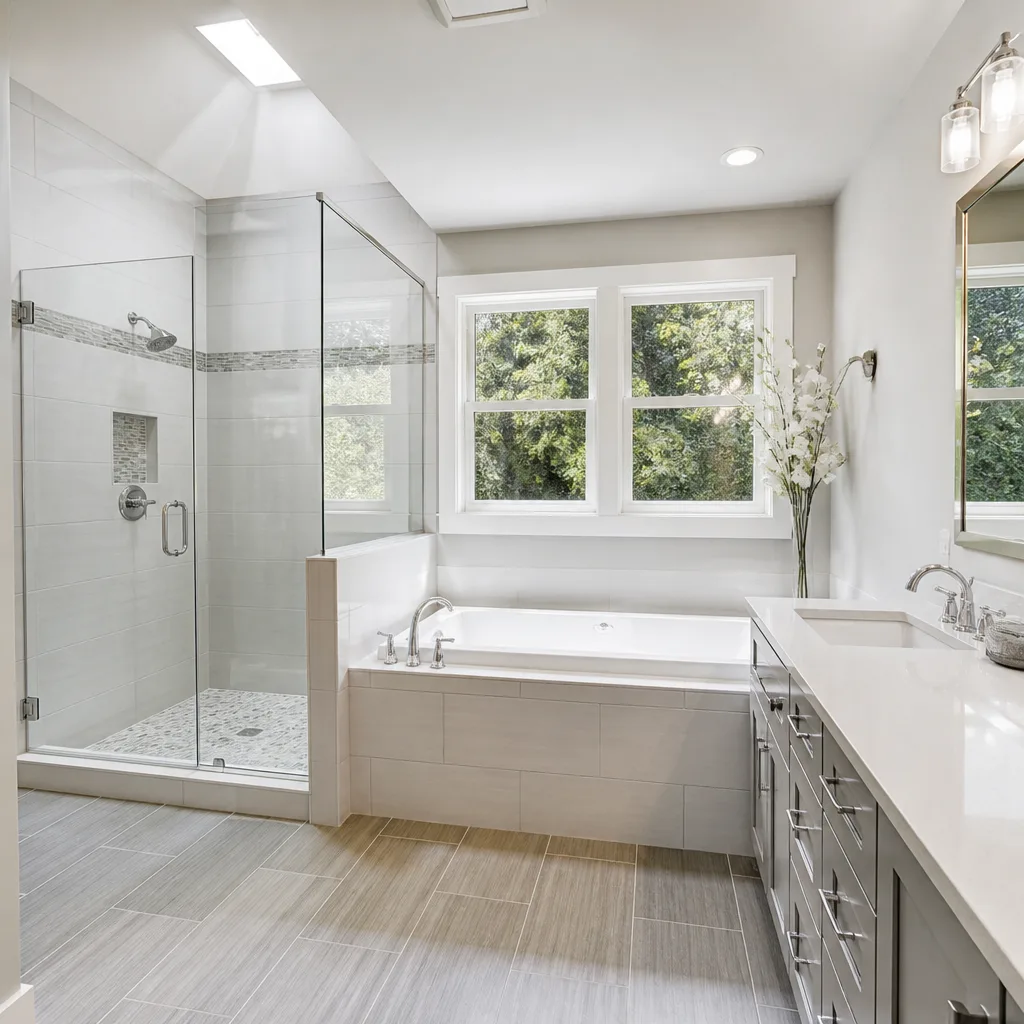
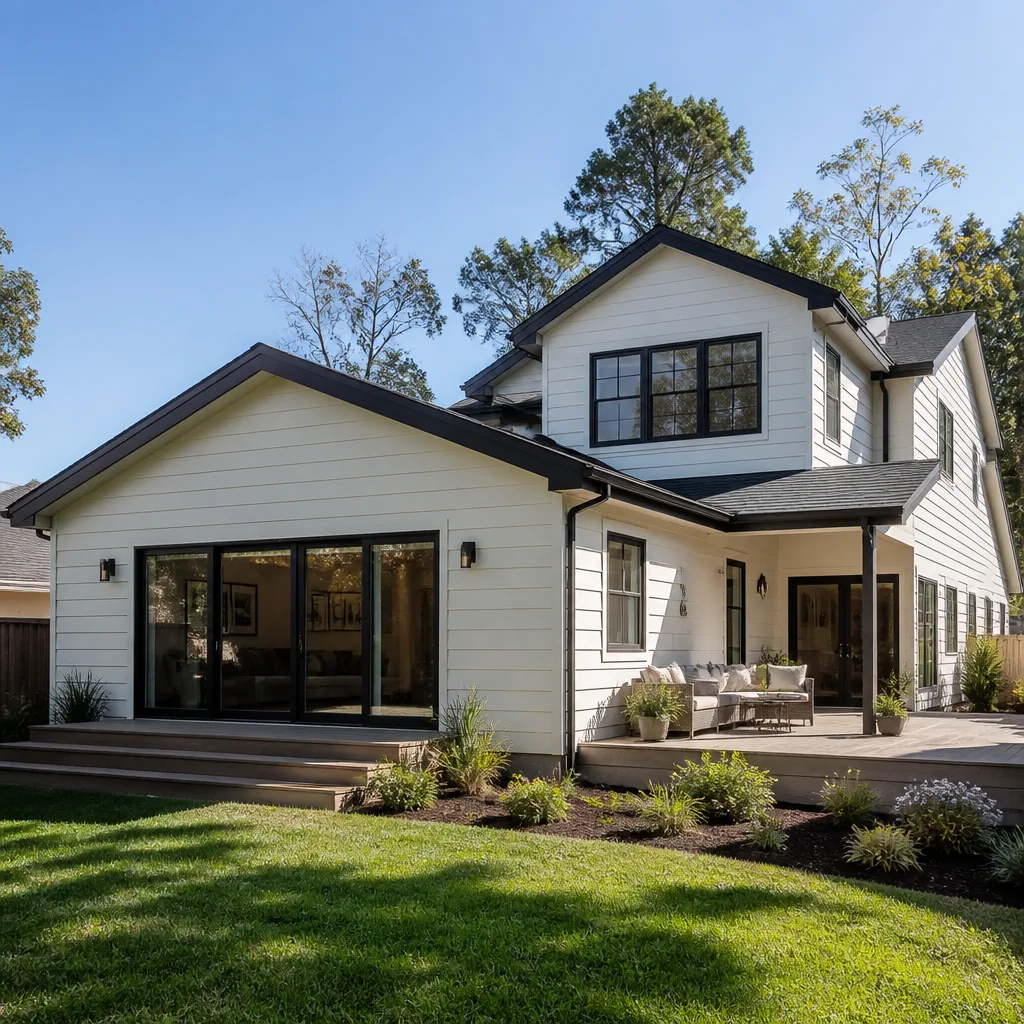
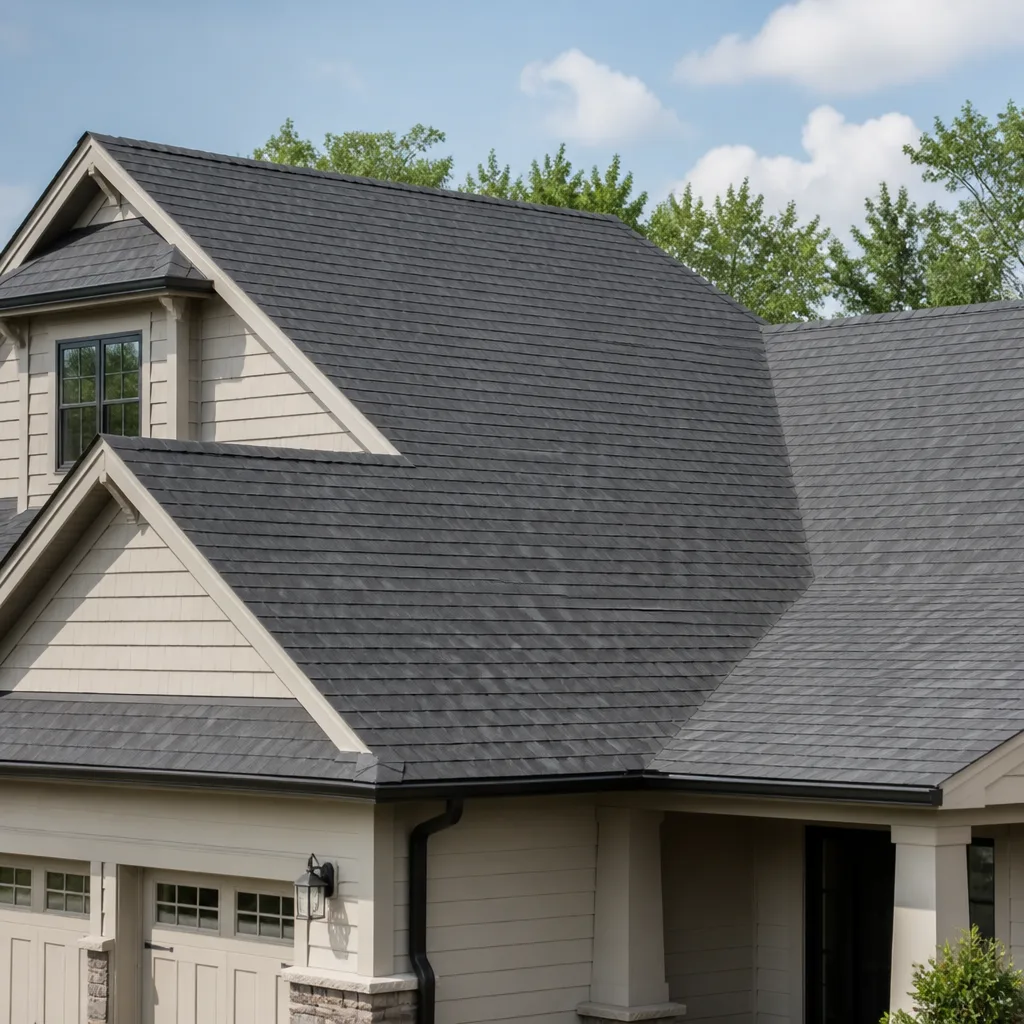
 Before
 After
After Before
 After
AfterConstruction Cost Breakdown: The Pasadena Homeowner’s Reference for 2026
The average kitchen remodel in Pasadena runs $15,000-$25,000 over the original signed contract - not because of bad contractors, but because HPOZ compliance, hard-water plumbing upgrades, and asbestos testing in pre-1980 homes are line items that never appear in a standard bid template. In this guide and our more guides & resources, we’ll show you the cost categories that Pasadena-specific conditions add, with dollar ranges so you can budget for what the bid sheet leaves blank. Whether you’re renovating a 1920s bungalow in Bungalow Heaven or adding an ADU in Madison Heights, the numbers below are drawn from 4,000-plus projects where every cost was written down before work started.
Quick Answer
A complete construction cost breakdown for a Pasadena home project in 2026 should allocate 35-45% to labor, 30-40% to materials, and 15-20% to overhead and profit - but the critical detail is the 10-20% contingency for Pasadena-specific requirements like HPOZ plan review, seismic retrofit triggers, and asbestos testing in pre-1980 construction. A $150,000 project with three unplanned scope changes and a standard 5% change-order markup compounds to an 18-22% budget overrun without this buffer.
Table of Contents
- The Pasadena Cost Premium Over LA County Baseline
- Hidden Line Items in Pasadena’s Housing Stock
- How to Read a Contractor’s Cost Breakdown by Percentage
- The Change-Order Cost Accumulation Model
- 2026 Material Price Benchmarks for Common Pasadena Components
- Cost Variations by Pasadena Neighborhood and Era
- Permits, Inspections, and the Timeline Cost Nobody Quotes
- Common Mistakes to Avoid
- When to Call a Professional
- Frequently Asked Questions
- The Bottom Line
 Before
 After
AfterThe Pasadena Cost Premium Over LA County Baseline
Pasadena homeowners pay more than the LA County average for the same scope of work, and the difference is not vanity pricing. It’s structural.
Permit fees are the most visible gap. Pasadena charges plan-check fees on a valuation table that runs 10-15% higher than neighboring Arcadia or Monrovia. For a $200,000 whole-home renovation, that means $2,400-$3,600 in additional city fees before a single wall comes down. The valuation table is published, but most online cost calculators default to LA County averages and miss it.
Labor rates follow. Skilled trades in the 626 corridor - carpenters, electricians, plumbers - command $8-$15 per hour more than the San Fernando Valley or Inland Empire, driven by commute patterns and the concentration of high-end residential work. A journeyman electrician in Pasadena bills $95-$125 per hour; the same credential in Rancho Cucamonga runs $75-$95.
Material delivery surcharges hit projects under $50,000 hardest. Suppliers serving the 626 add $150-$400 per delivery for orders below minimum thresholds, and Pasadena’s narrow streets in historic districts (think Bungalow Heaven or the streets off Orange Grove) sometimes require crane or boom-truck placement that adds half a day of labor-our Construction Warning Signs: A Pasadena Homeowner’s Reference Guide flags these logistics early.
Here’s how the premium stacks on a typical $75,000 kitchen remodel in Pasadena:
| Cost Category | LA County Baseline | Pasadena Premium | Difference |
|---|---|---|---|
| Permits & plan check | $3,200-$4,500 | $3,800-$5,200 | +$600-$700 |
| Labor (carpentry, electrical, plumbing) | $28,000-$32,000 | $31,000-$36,000 | +$3,000-$4,000 |
| Material delivery | $400-$600 | $700-$1,200 | +$300-$600 |
| Subtotal premium | - | - | +$3,900-$5,300 |
That $4,000-$5,000 is not negotiable with a conscientious contractor. It’s the cost of doing business in a city with its own building department, its own Historic Preservation Ordinance, and street parking that won’t accommodate a standard flatbed.
Hidden Line Items in Pasadena’s Housing Stock
Pasadena’s housing stock is old, beautiful, and full of surprises that standard bid templates don’t account for. We’ve seen them on enough projects that we now flag them in every preliminary scope review.
Asbestos testing and abatement is the big one. Any home built before 1980 - that’s most of Pasadena’s inventory - triggers testing requirements when walls, ceilings, or flooring are disturbed. Testing runs $350-$650 for a standard three-bedroom home. If asbestos-containing material is found, abatement runs $1,500-$8,000 depending on square footage and accessibility. Popcorn ceilings in Madison Heights ranch homes are common culprits; vinyl asbestos tile under kitchen linoleum in 1950s bungalows is another.
Lead paint testing is mandatory for HPOZ properties and recommended for any pre-1978 home where painted surfaces will be disturbed. A certified lead inspection runs $400-$700. Remediation, if required, adds $2,000-$5,000 to the project.
Seismic strapping for unreinforced masonry is not optional in Pasadena. The city’s location on the Raymond Fault and proximity to the Sierra Madre Fault Zone means the building department enforces stricter seismic retrofit triggers than unincorporated LA County. Water heater strapping is standard; but if your project involves opening walls in a pre-1940 home, the inspector may require cripple-wall bracing or foundation bolting that wasn’t in the original scope. Budget $3,000-$8,000 for this contingency.
Hard-water plumbing upgrades are nearly universal in Pasadena. The city’s groundwater supply runs 180-250 ppm hardness, which destroys tankless water heaters and pinholes copper over decades. If your remodel touches plumbing, we recommend a whole-house softener loop or scaled fixtures. A Moen or Delta valve rated for hard water adds $80-$150 per fixture; a softener installation adds $1,200-$2,400.
HPOZ design review adds 4-8 weeks to the timeline and $800-$2,500 in architectural review fees, depending on the district. The Landmark Districts (like Bungalow Heaven or Prospect Park) require Materials Review Board approval for visible alterations; the Neighborhood Conservation Districts are less stringent but still require staff-level review. Neither fee appears in standard cost calculators.
Here’s a consolidated contingency checklist we use in Pasadena:
- Asbestos testing: $350-$650 (pre-1980 homes)
- Asbestos abatement: $1,500-$8,000 (if found)
- Lead paint inspection: $400-$700 (pre-1978, HPOZ)
- Lead remediation: $2,000-$5,000 (if triggered)
- Seismic retrofit: $3,000-$8,000 (pre-1940, wall-opening projects)
- Hard-water fixture upgrade: $80-$150 per valve
- HPOZ review fees: $800-$2,500
- HPOZ timeline extension: 4-8 weeks (carry financing or temp housing costs)
How to Read a Contractor’s Cost Breakdown by Percentage
A legitimate contractor’s bid breaks down into three buckets-read our DIY vs Professional Construction: The Pasadena Homeowner’s Decision Guide to see why this matters. The ratios matter because they reveal whether the estimate is built on labor, materials, or markup - and inverted ratios are a red flag.
Labor: 35-45% of total project cost. This covers wages, payroll taxes, workers’ compensation, and supervision. In Pasadena, where labor rates run higher, expect the upper end of this range. If labor is below 30%, ask whether the crew is properly classified and insured; if it’s above 50%, the scope may be labor-heavy (tile work, custom carpentry) or the material allowance may be thin.
Materials: 30-40% of total project cost. This is where brand names belong in the bid. “Cabinets” is not enough; “KraftMaid Maple Shaker, soft-close, Dovetail drawers” is. “Countertops” is vague; “Cambria Brittanicca, 3cm, eased edge, undermount cutout” is specific and priced. If materials run below 25%, the allowance won’t cover mid-grade selections in Pasadena’s market. If they’re above 45%, the project may be materials-driven (a full roofing replacement in Pasadena with GAF Timberline HDZ, for instance) and the labor ratio compresses appropriately.
Overhead and profit: 15-20% of total project cost. Overhead includes insurance, vehicle maintenance, tool replacement, office staff, and the documented photo record that should be standard, not optional. Profit is what keeps the business solvent for warranty calls. Below 12% suggests a contractor who cuts corners on insurance or supervision; above 25% without clear justification (design-build services, architect coordination) warrants a second opinion.
Here’s what healthy and unhealthy ratios look like on a $100,000 project:
| Scenario | Labor | Materials | Overhead + Profit | Assessment |
|---|---|---|---|---|
| Healthy breakdown | $40,000 (40%) | $35,000 (35%) | $20,000 (20%) | Sustainable, insured, supervised |
| Labor-heavy (red flag) | $55,000 (55%) | $25,000 (25%) | $20,000 (20%) | Thin material allowance, possible change orders ahead |
| Markup-heavy (red flag) | $30,000 (30%) | $30,000 (30%) | $40,000 (40%) | Unjustified overhead; get a second opinion |
At Rowan Construction Group Pasadena, every quote under Clause 1 of the Haven Standard shows these percentages explicitly. The customer sees where the money goes before anyone picks up a tool.
The Change-Order Cost Accumulation Model
This is the math that destroys budgets, and almost no contractor explains it upfront.
A standard contract includes a 5% change-order markup to cover administrative costs, revised scheduling, and material reordering. That sounds reasonable. But change orders compound on each other, and the markup applies to the revised total, not the original scope. Three unplanned scope changes on a $150,000 project don’t add 15%; they add 18-22%.
Here’s the worked example:
- Original contract: $150,000
- Change order 1: $8,000 of additional electrical (recessed lighting, dedicated circuits) + 5% markup = $8,400. New running total: $158,400.
- Change order 2: $6,500 of tile upgrade (customer selects larger-format porcelain after demolition reveals subfloor condition) + 5% markup on revised scope = $6,825. New running total: $165,225.
- Change order 3: $4,000 of structural repair (rot discovered behind tub surround) + 5% markup = $4,200. New running total: $169,425.
Total overrun: $19,425, or 13.0% of original contract. But this assumes the contractor stops at three changes. In practice, discovery begets discovery, and the psychological threshold for “just one more” weakens as the project progresses. We’ve seen projects with five to seven changes hit 18-22% over original contract.
The discipline that prevents this is simple: no work proceeds on a change until the change order is signed. Under the Haven Standard, this is administrative protocol, not customer service. The signed change order forces both parties to acknowledge the cost before the crew adapts the scope. Projects with signed change orders for every alteration finish within 2-4% of the agreed number. Projects with verbal approvals finish 12-20% over, consistently, across our 4,000-plus project history.
For Pasadena homeowners, the implication is specific: budget 10-15% contingency for discovery, and require that every discovery trigger a written change order before work continues. The contingency is not a slush fund; it’s a funded reserve for asbestos abatement, seismic retrofit triggers, or subfloor repair that demolition reveals.
2026 Material Price Benchmarks for Common Pasadena Components
These are installed prices we quote in writing for Pasadena projects, reflecting 2026 material costs, 626-area labor rates, and standard delivery surcharges. Use them to evaluate any bid you receive.
Hardie lap siding: $14-$22 per square foot installed, including weather-resistant barrier, fasteners, and paint-ready finish. The range reflects single-story vs. two-story application and scaffold requirements. In Pasadena’s hillside neighborhoods like Linda Vista, where staging is complex, expect the upper end.
Pella or Andersen window replacement: $1,200-$2,800 per unit installed, including removal, disposal, flashing, and trim repair. Double-hung vinyl from Pella’s 250 Series runs $1,200-$1,600; Andersen 400 Series wood-clad runs $2,200-$2,800. HPOZ districts may require wood-over-vinyl for street-facing elevations, pushing selection toward the upper range.
GAF Timberline HDZ roofing: $5.50-$8.50 per square foot installed, including tear-off of one layer, ice-and-water shield at valleys, synthetic underlayment, and ridge vent. Pasadena’s heat and Santa Ana wind exposure make the HDZ’s LayerLock and StainGuard Plus specifications worth the premium over three-tab alternatives. Complex rooflines in Craftsman homes add $1.50-$2.50 per square foot for valley and hip labor.
Kohler or Toto fixture packages: $800-$2,400 per bathroom for toilet, vanity faucet, shower valve, and tub filler, excluding installation labor. A Toto Drake II with Washlet-ready configuration runs $550-$750; a Kohler Purist widespread lavatory faucet in polished chrome runs $480-$620. Pasadena’s hard water justifies the upgrade to ceramic-disc cartridges and PVD finishes that resist mineral buildup.
Cabinetry (KraftMaid or Wellborn): $450-$850 per linear foot installed, including boxes, doors, drawers, hardware, and basic crown. A 10×10 kitchen with 20 linear feet of cabinetry runs $9,000-$17,000 before countertops and appliances. Inset doors, custom paint matching for HPOZ compliance, or specialty storage add 20-35%.
Countertops (Cambria or Caesarstone): $85-$145 per square foot installed, including template, fabrication, standard edge, and undermount sink cutout. Cambria’s Brittanicca and Torquay patterns are popular in Pasadena’s transitional kitchens; Caesarstone’s Calacatta Nuvo offers a lower-quartz alternative at $85-$105 per square foot.
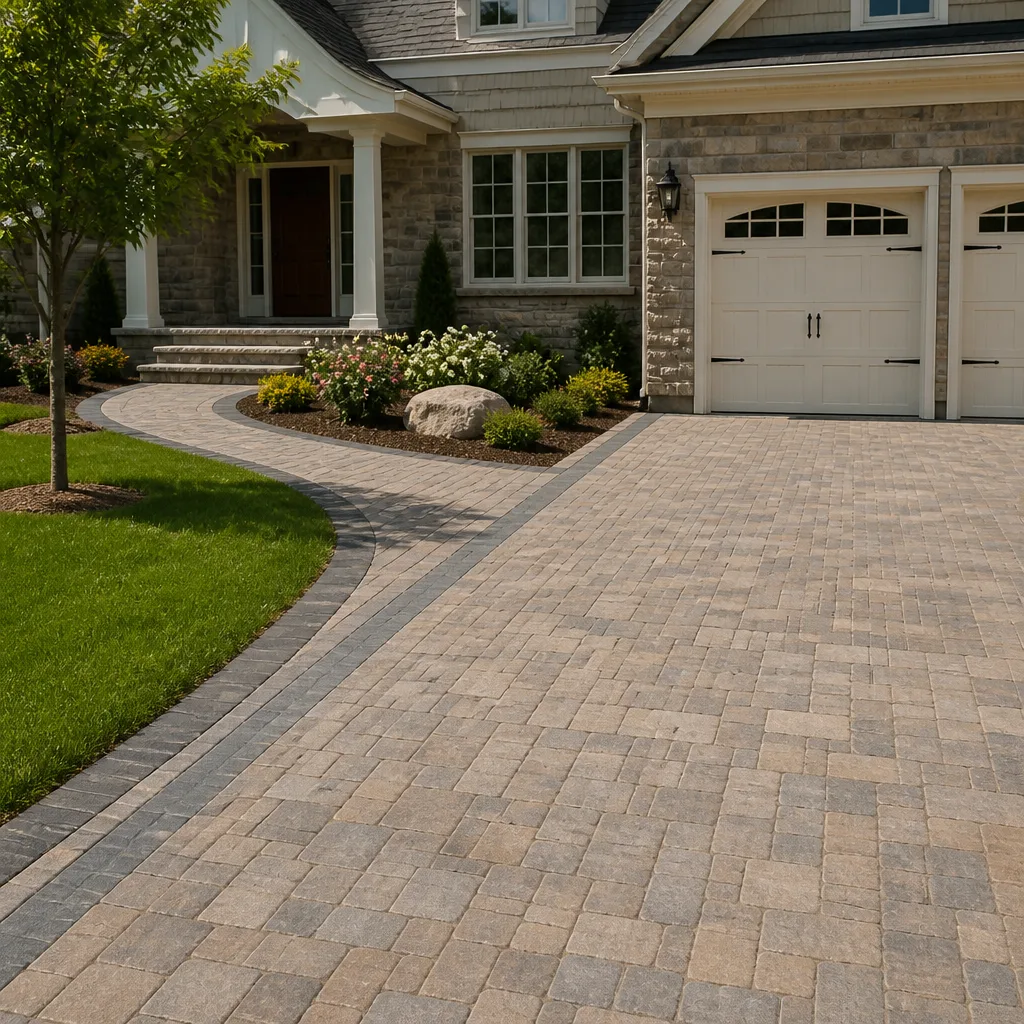
Pavers (Belgard or Techo-Bloc): $18-$32 per square foot installed, including excavation, base material, bedding sand, edge restraint, and sealant. Permeable pavers for Pasadena’s stormwater requirements add $4-$6 per square foot. A standard 400-square-foot driveway runs $7,200-$12,800; complex patterns or integrated drainage push toward the upper range.
Cost Variations by Pasadena Neighborhood and Era
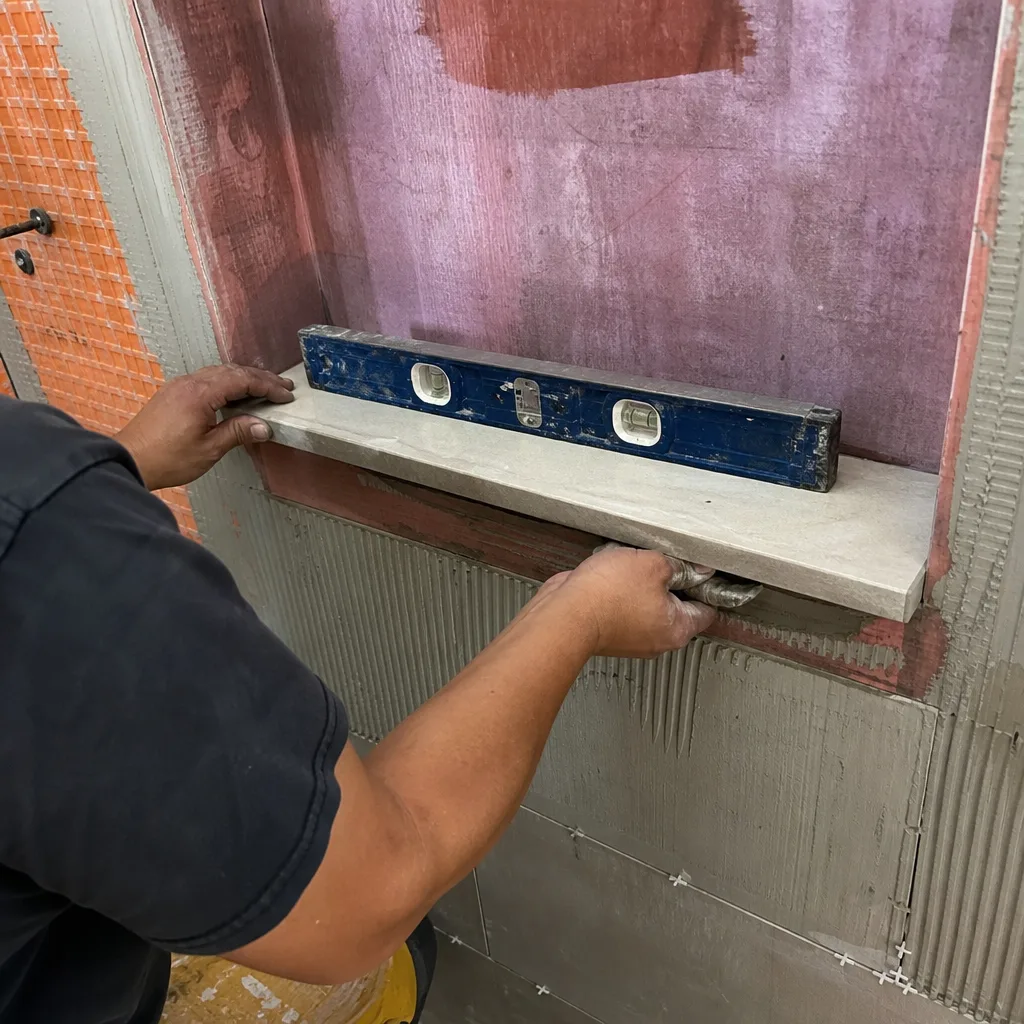
Pasadena is not uniform. A 1925 California bungalow in Bungalow Heaven, a 1954 ranch in Madison Heights, and a 1987 townhouse in Chapman Woods present different cost profiles for the same scope.
Bungalow Heaven and Landmark Districts (pre-1930): Expect HPOZ review on any visible alteration, original plaster walls that require specialist repair, knob-and-tube wiring remnants, and foundations that may need seismic reinforcement. A kitchen remodel here runs 15-25% above the Pasadena average for the same square footage. The payoff is property value; the cost is time and documentation.
Madison Heights and Jefferson Park (1940s-1960s): Post-war construction with updated electrical but original galvanized plumbing, single-pane windows, and no insulation. Asbestos tile under flooring is common. Projects here are more predictable than pre-1930 work but still carry pre-1980 testing requirements. A bathroom remodel in Pasadena from this era typically reveals galvanized supply lines that need replacement - budget $1,500-$3,500 for repiping the branch.
Linda Vista and hillside areas: Access challenges drive labor costs. Narrow streets, limited parking for material delivery, and steep lots requiring scaffold or boom work add 10-20% to exterior projects. Retaining walls, drainage, and erosion control are often code-triggered additions that don’t appear in initial scope.
Chapman Woods and post-1978 construction: The simplest profile. No asbestos or lead paint testing, modern electrical and plumbing, standard permitting. Projects here track closer to LA County averages, with the Pasadena premium limited to permit fees and labor rates.
Permits, Inspections, and the Timeline Cost Nobody Quotes
Every Pasadena project requires a building permit for structural, electrical, plumbing, or mechanical work. The permit itself is a known cost. The timeline cost is rarely quoted.
Pasadena’s Building & Safety Division runs plan check in 4-6 weeks for standard residential projects, 6-10 weeks for HPOZ-adjacent work requiring historic preservation coordination. That’s calendar weeks, not business weeks. During peak season (March-June), we’ve seen plan check extend to 8 weeks for non-HPOZ projects.
The inspection sequence adds more elapsed time. A kitchen remodel typically requires:
- Foundation/structural inspection (if walls are moved)
- Rough electrical inspection
- Rough plumbing inspection
- Insulation inspection (if exterior walls are opened)
- Final building inspection
Each inspection must be scheduled 24-48 hours in advance, and re-inspection after a correction adds another cycle. A project with clean inspections completes in 3-4 weeks of construction; a project with two re-inspections extends to 5-7 weeks. In Pasadena, where many homeowners are in temporary housing or operating with a single functional bathroom, that timeline extension carries real cost: extended rental, restaurant meals, pet boarding, temporary kitchen setup.
We quote this explicitly under the Haven Standard: the construction timeline, the inspection sequence, and the contingency for re-inspection. The customer budgets for elapsed time, not just dollars.
Common Mistakes to Avoid
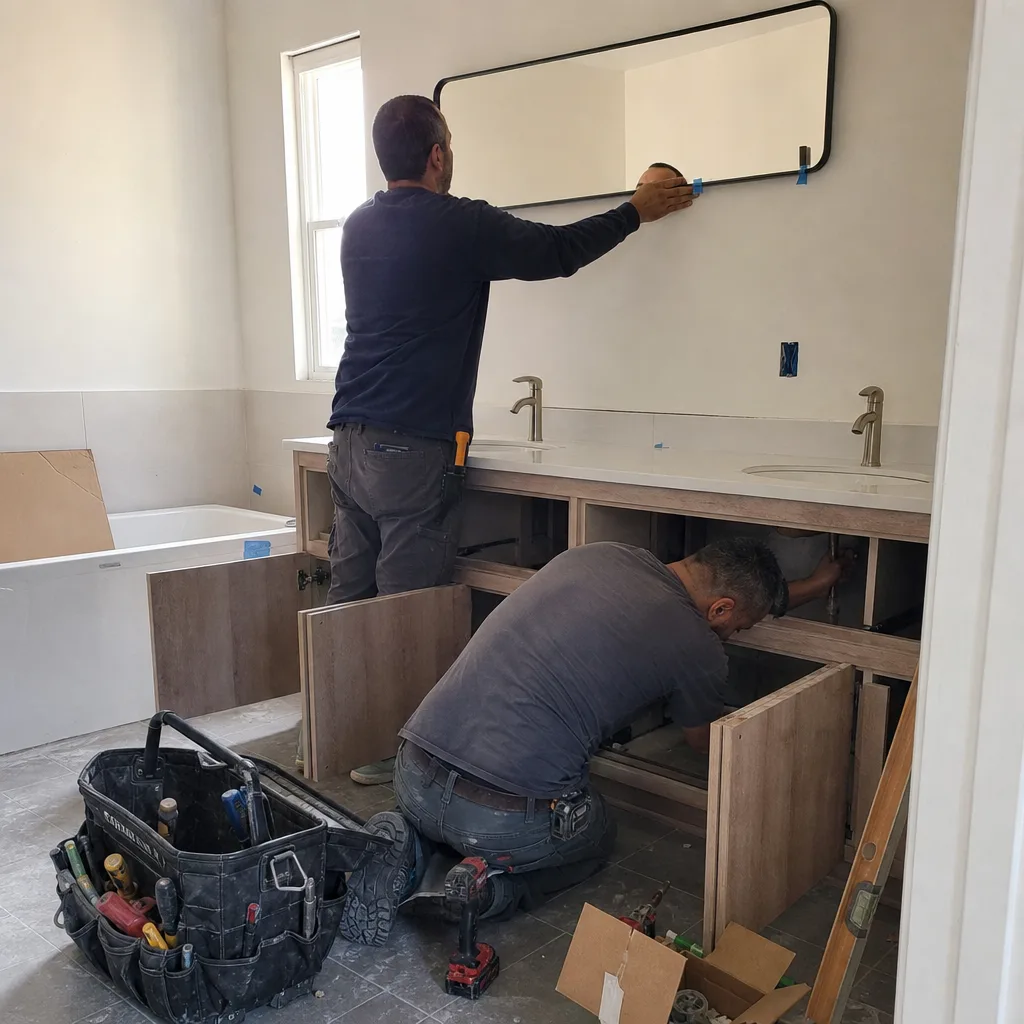
- Accepting a lump-sum bid without line-item breakdown. A single number hides the material allowance, the labor classification, and the overhead markup. Every Haven Standard quote shows the three buckets separately.
- Assuming pre-1980 testing is included. Most standard bids omit asbestos and lead testing. Ask explicitly, or budget $750-$1,350 for testing that may trigger $5,000-$15,000 in remediation.
- Ignoring the HPOZ timeline. A neighbor’s non-HPOZ kitchen took 8 weeks; yours in Bungalow Heaven may take 14. The difference is design review, not contractor competence.
- Budgeting 5% contingency for a pre-1940 home. Discovery in old Pasadena housing routinely consumes 10-15% contingency. A 5% reserve is exhausted on the first subfloor repair.
- Comparing Pasadena bids to online national averages. National cost calculators run 20-30% below Pasadena reality. Use the benchmarks in this guide, or get three local quotes for calibration.
- Verbal change approvals. Every verbal “just do it” is a future dispute. The Haven Standard requires signed change orders; we suggest you require the same of any contractor.
- Neglecting hard-water fixture specifications. Standard big-box valves fail in 3-5 years in Pasadena’s water. Specify ceramic-disc cartridges and PVD finishes from Delta, Moen, or American Standard, or budget for early replacement.
When to Call a Professional
Call a licensed contractor when your project involves structural walls, electrical or plumbing relocation, roofing tear-off, or any work in a pre-1980 home where asbestos or lead may be present. These are not DIY scenarios; they’re regulated, hazardous, and consequential for resale and insurance.
Call specifically when:
- You’ve received a bid that doesn’t show labor, materials, and overhead as separate percentages
- Your home is in an HPOZ and you’re uncertain about design review requirements
- You’re comparing bids that differ by more than 20% - a second opinion on the written estimate often reveals scope omissions, not price gouging
Rowan Construction Group Pasadena offers free estimates in Pasadena - call (562) 203-4508. Every estimate includes a written price before any work starts, a documented photo record, and the 365-Day Done Right Promise backed by the Haven Standard. We also review competitor quotes line by line at no charge; bring your written estimate and we’ll show you what’s included, what’s omitted, and what the omissions may cost.
Frequently Asked Questions
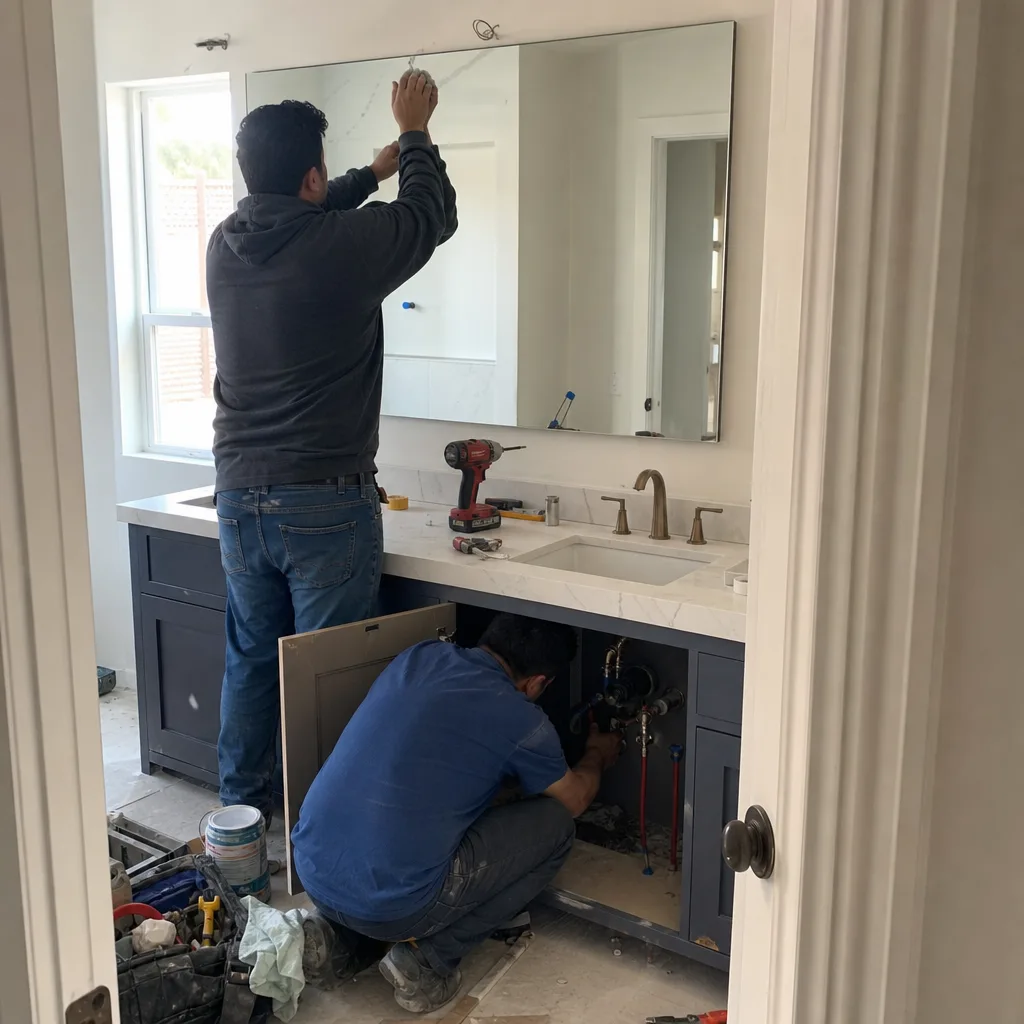
A mid-grade kitchen remodel in Pasadena runs $75,000-$125,000 for a 10×10 space, including permits, mid-range cabinetry (KraftMaid or equivalent), quartz countertops, and standard appliance relocation. High-end projects with custom cabinetry, professional appliances, and structural changes run $150,000-$250,000. The Pasadena premium over LA County baseline is $4,000-$8,000 for permits, labor rates, and delivery surcharges. Call (562) 203-4508 for a written estimate - estimates are free.
At Rowan Construction Group Pasadena, the price does not change unless the scope changes - and no scope change proceeds without a signed change order under the Haven Standard. Projects with signed change orders for every alteration finish within 2-4% of the agreed number. Projects with verbal approvals average 12-20% over. The protection is administrative discipline, not optimism.
Yes. We pull all permits, schedule all inspections, and include permit fees in the written quote. The customer receives copies of every permit, inspection result, and correction notice. This is standard, not optional.
Plan check runs 6-10 weeks for ADUs in Pasadena, followed by 3-5 months of construction for a 500-square-foot detached unit. HPOZ-adjacent properties add 2-4 weeks for design review. The timeline cost - extended financing, temporary arrangements - should be budgeted alongside construction costs. We quote elapsed time explicitly in every Haven Standard proposal.
Budget $5,000-$15,000 for asbestos and lead testing, abatement, and seismic retrofit triggers on any wall-opening project in pre-1980 construction. Hard-water plumbing upgrades add $1,200-$3,000. These are not edge cases; they’re routine in Pasadena’s housing stock and omitted from most standard bids.
Ask for labor, materials, and overhead/profit as separate percentages. Healthy ratios are 35-45% labor, 30-40% materials, 15-20% overhead and profit. Inverted ratios - labor below 30% or overhead above 25% - warrant scrutiny. Every Haven Standard quote shows these percentages; we encourage customers to compare.
We do not provide in-house financing, but we work with third-party lenders who specialize in construction loans and home improvement financing. More importantly, we provide a written price before any work starts so you know the exact amount to finance - no surprise draws, no change-order balloon payments. Call (562) 203-4508 to discuss project scope and financing coordination.
The Bottom Line
Pasadena construction costs more than LA County averages for specific, documentable reasons: higher permit valuations, skilled labor rates in the 626 corridor, material delivery surcharges, and a housing stock that routinely triggers asbestos, lead, and seismic contingencies. The failure mode is not dishonest contractors; it’s incomplete estimates that omit these categories. A legitimate cost breakdown shows labor at 35-45%, materials at 30-40%, and overhead at 15-20%, with a 10-15% contingency for discovery. The change-order math is unforgiving: three unplanned changes on a $150,000 project compound to 18-22% overage without signed controls. The protection is a written price before work starts, signed change orders for every alteration, and a contractor who quotes Pasadena’s real conditions, not national averages.
Written by Grant Rowan, Owner at Rowan Construction Group Pasadena, serving Pasadena since 2007.