
Last updated September 24, 2026
Free written scope consultation - allowances, timeline, and change-order rules on paper before a single trade is scheduled

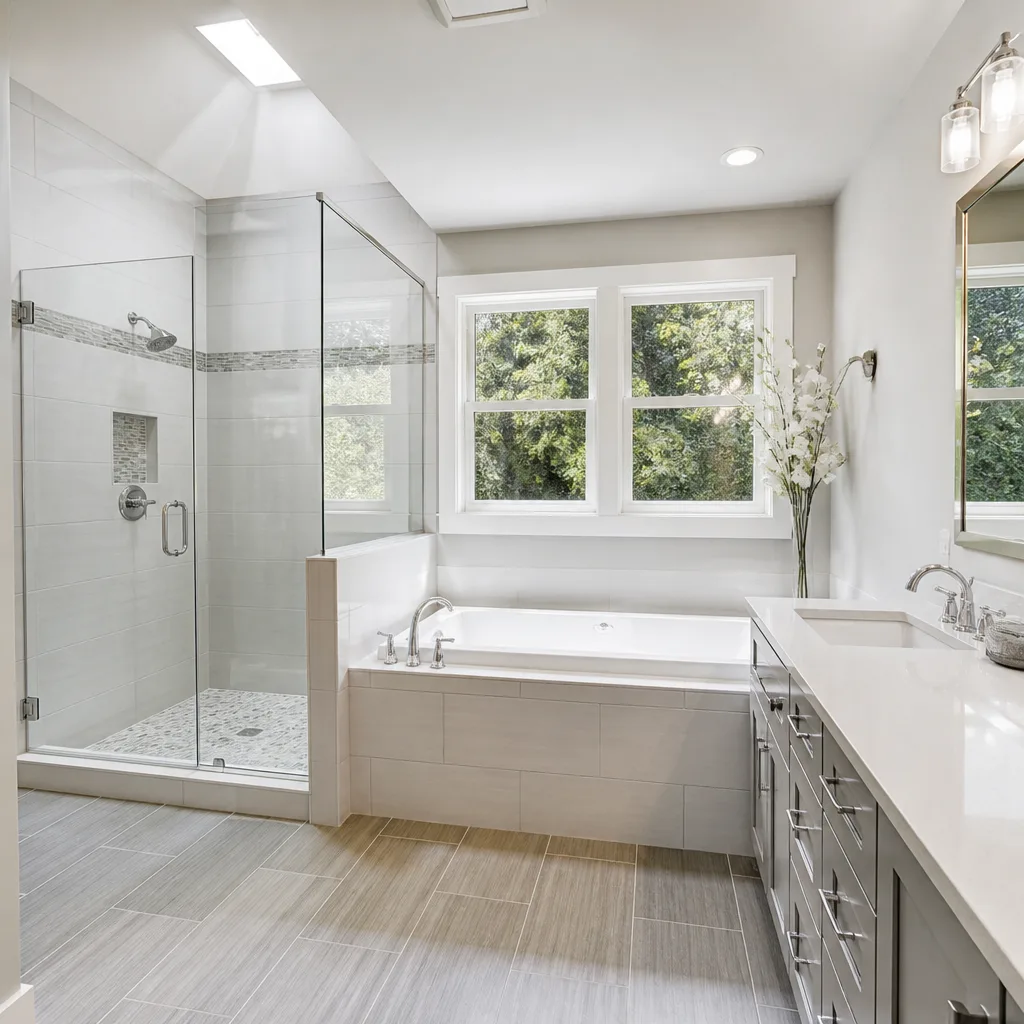
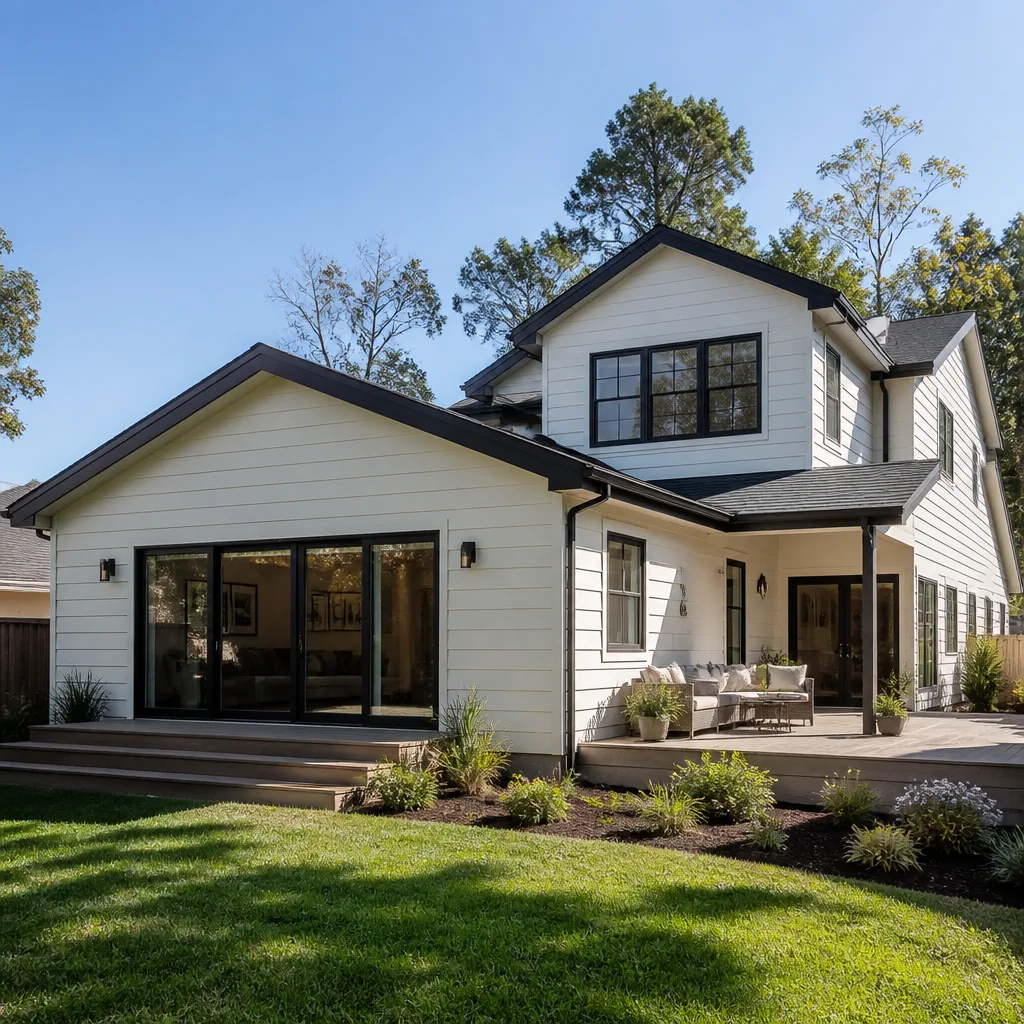

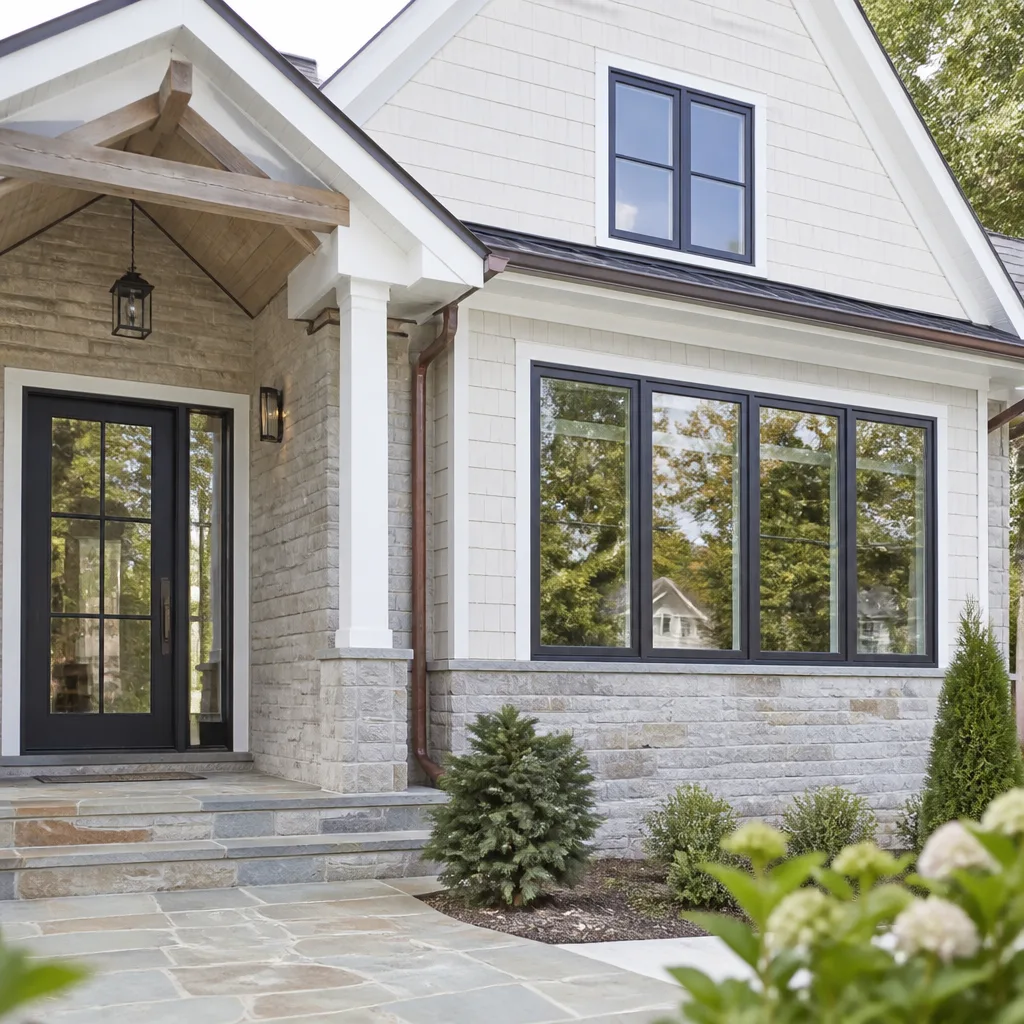


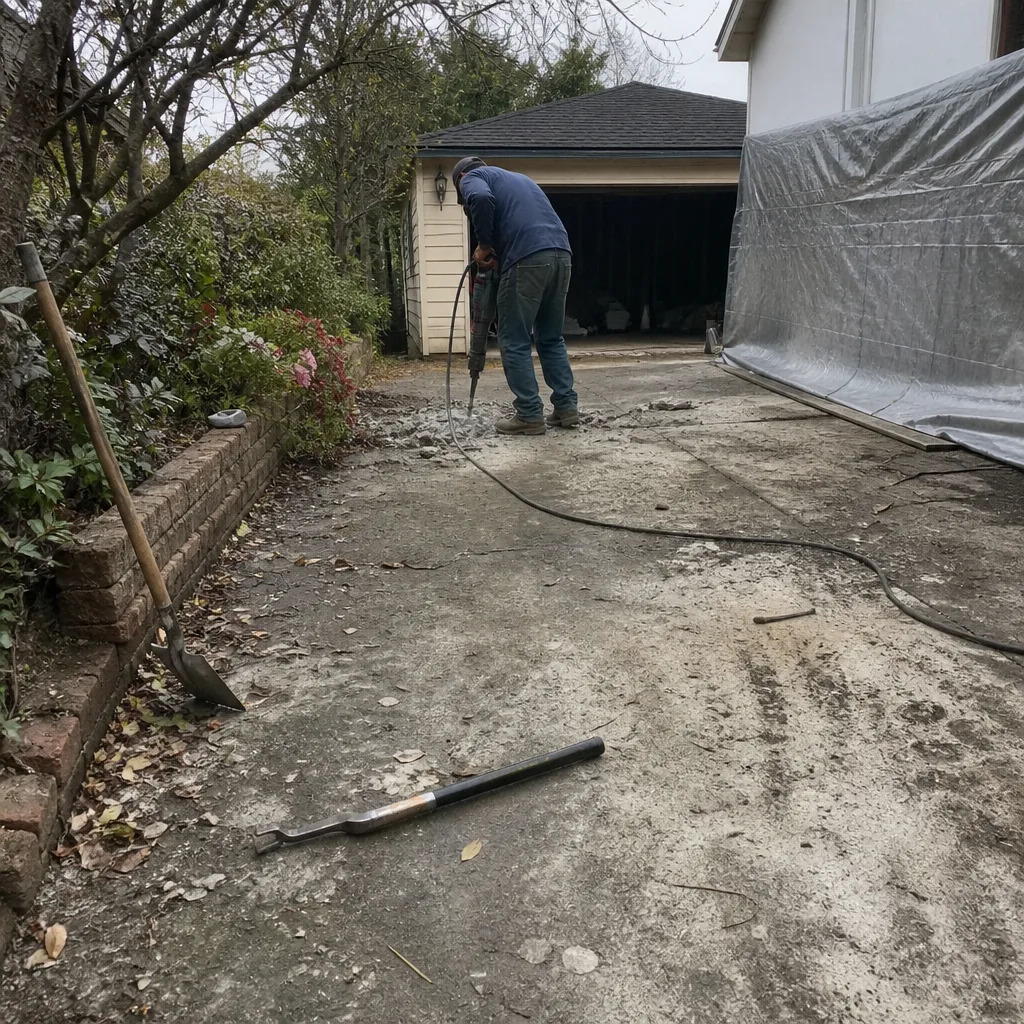 Before
 After
After Before
 After
AfterConstruction Warning Signs: A Pasadena Homeowner’s Reference Guide
The most dangerous construction bid in Pasadena isn’t the lowest one - it’s the one that lacks a permit-responsibility clause. That contractor has just transferred the legal exposure for unpermitted work to the homeowner who lives there. In our experience across 4,000-plus projects since 2007, the contractors who produce the worst outcomes aren’t necessarily dishonest; they’re simply missing the administrative systems that prevent honest mistakes from becoming expensive problems. This guide shows you the specific document gaps, insurance deficiencies, and payment-schedule traps that signal trouble before you sign anything in Pasadena’s construction market.
Quick Answer
Construction warning signs in Pasadena center on five document and process failures: bids without material specifications, insurance certificates that don’t name your property as an additional insured location, permit clauses without specific permit numbers, payment schedules exceeding California’s 10% down plus materials legal limit, and change orders presented without written dollar amounts and dual signatures. Each gap transfers risk from the contractor to the homeowner and predicts cost overruns, delays, or unpermitted work liability.
Table of Contents
- Document Red Flags: What a Deficient Bid Actually Looks Like
- Insurance Red Flags: Reading the Certificate Correctly
- Permit Red Flags: The Homeowner-Builder Permit Trap
- Payment Schedule Red Flags: California’s Legal Limits
- Scope Red Flags: Unsigned Change Orders and Lien Exposure
- Pasadena-Specific Risks: Seismic, Climate, and Code Context
- What a Proper Contract Contains: The Rowan Standard
- Common Mistakes to Avoid
- When to Call a Professional
- Frequently Asked Questions
 Before
 After
AfterDocument Red Flags: What a Deficient Bid Actually Looks Like
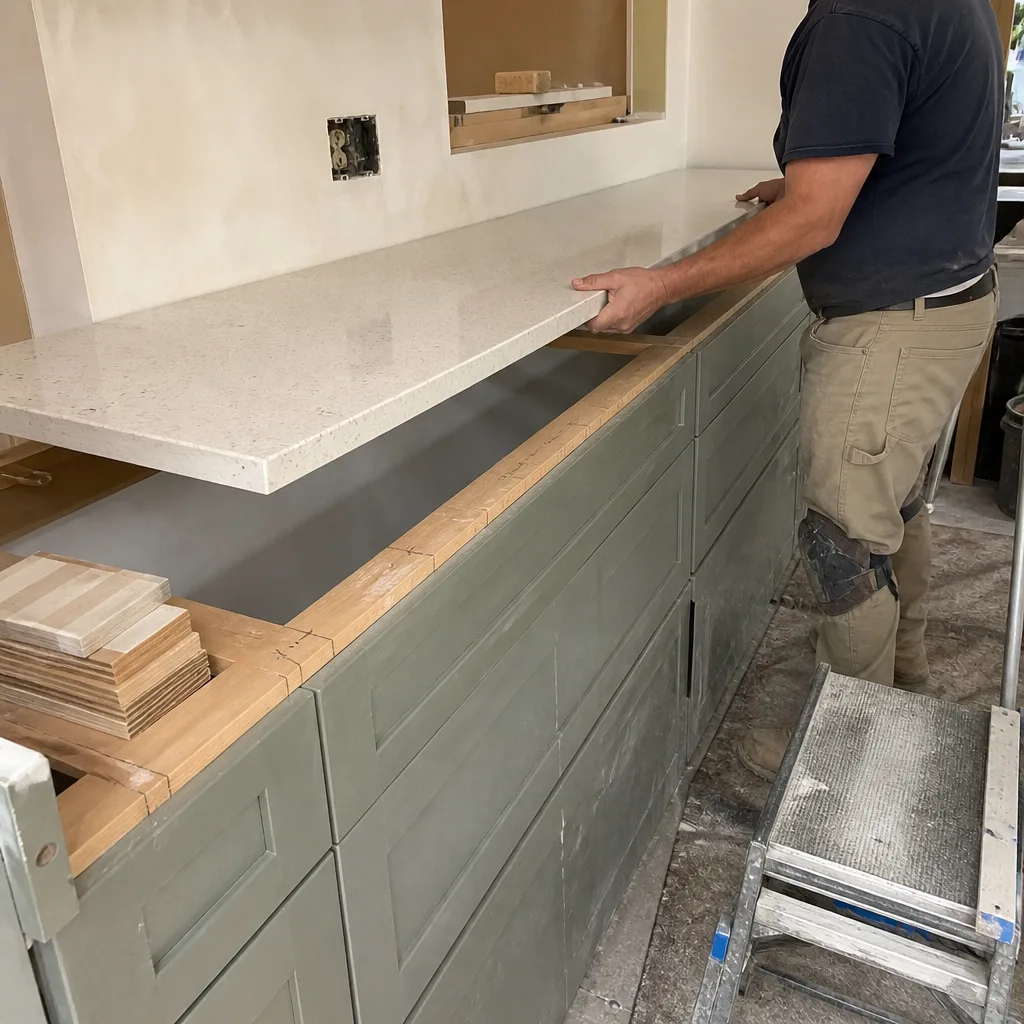
A bid without a materials specification list is a bid with an open-ended allowance the contractor controls, not the homeowner. This is the most common document failure we review when Pasadena homeowners bring us competitor estimates for our Free Second Opinion.
Here’s what the deficiency looks like in practice. A kitchen remodeling bid states “cabinets: $8,500” with no brand, no line, no door style, no finish code, and no hardware specification. The contractor has reserved the right to install anything from a big-box stock cabinet to a semi-custom KraftMaid or Wellborn box - and the homeowner has no recourse when the delivered product doesn’t match their expectation. In Pasadena’s market, where home values in neighborhoods like Bungalow Heaven and Madison Heights routinely exceed $1.2 million, this specification gap alone can produce a $4,000-$7,000 surprise mid-project.
The proper document contains:
- Brand name and product line - “KraftMaid Vantage or equivalent pre-approved substitute”
- Model or series identifier - the specific catalog number that generates a reproducible quote
- Material grade - plywood box versus particleboard, solid wood door versus MDF with thermofoil
- Finish specification - paint color code, stain number, glaze treatment if applicable
- Hardware included - Blanco, Moen, Delta, or American Standard fixture model numbers with finish codes
We apply this same discipline across all seven trades. A roofing bid names GAF Timberline HDZ or Owens Corning Duration, not “architectural shingles.” A bathroom remodeling bid specifies Kohler or Toto fixture models with finish codes, not “chrome vanity faucet.” The written quote we deliver under Clause 1 of the Haven Standard contains every specification before any work starts, because a price without a spec is a price without meaning.
The red flag variation we see most often in Pasadena: “allowance” line items with no ceiling. A $3,000 “tile allowance” sounds reasonable until the homeowner selects a $7 per square foot porcelain and discovers the allowance assumed $2.50 ceramic. The proper document states the allowance amount plus the assumed unit price, so the homeowner can calculate the true cost of their preference before signing.
Insurance Red Flags: Reading the Certificate Correctly
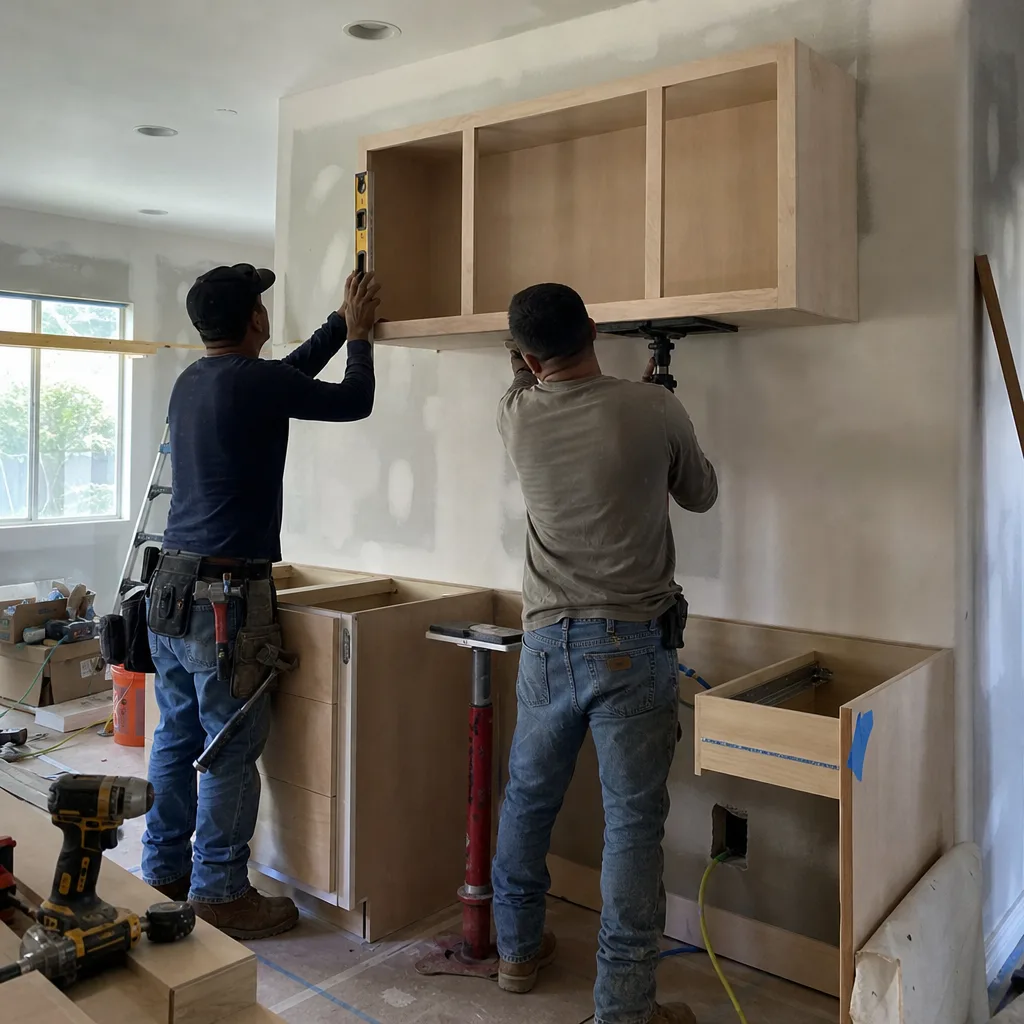
A certificate of insurance that names the contractor as the holder but not the homeowner’s property as an additional insured location provides no actual coverage for on-site incidents. This distinction matters because Pasadena’s hillside lots, mature tree canopy, and tight setbacks create genuine property damage exposure during construction.
Here’s how to read the document. Request a Certificate of Insurance (COI) directly from the contractor’s insurance broker, not from the contractor. Verify three elements:
- General liability coverage - minimum $1 million per occurrence, $2 million aggregate for residential work; higher for kitchen remodeling or home additions involving structural modification
- Workers’ compensation coverage - mandatory in California for any contractor with employees; absence indicates independent contractor misclassification or uninsured labor
- Additional insured endorsement - your property address must appear as a scheduled location, not merely the contractor’s business address
The critical failure mode: the contractor carries valid insurance but the policy excludes the specific work type. A painter’s general liability policy often excludes roofing work; a handyman’s policy excludes structural modification. If your project involves multiple trades, verify each trade is covered or that the general contractor’s policy includes all subcontracted work with no trade exclusions.
In Pasadena, where many homes in Linda Vista and San Rafael hillsides require crane access or staged material delivery, the additional insured location requirement is particularly important. A crane swing that damages a neighbor’s eucalyptus tree becomes your liability if the contractor’s policy doesn’t name your property. We’ve reviewed competitor COIs where the “additional insured” box was checked but no address was listed - functionally worthless.
Under the Haven Standard, our crew arrives with documentation: the COI naming your property, valid through project completion plus the 365-Day Done Right Promise period. The customer receives a copy with their written contract, not upon request.
Permit Red Flags: The Homeowner-Builder Permit Trap
A contractor who offers to “handle the permit” without naming the permit number in the contract may be planning to pull a homeowner-builder permit, which voids the contractor’s liability and transfers all code-compliance responsibility to the owner. This is the most financially dangerous red flag in residential construction, and it’s particularly prevalent in Pasadena where the city’s Design Commission and Historic Preservation requirements add permit complexity.
The homeowner-builder permit (also called an owner-builder permit) is legally intended for homeowners performing their own work. When a contractor persuades the homeowner to pull this permit type, several consequences follow:
- The contractor becomes legally invisible - no license verification, no bond protection, no recourse through the Contractors State License Board
- The homeowner assumes workers’ compensation liability - if an uninsured worker is injured, the homeowner’s insurance may deny the claim
- The homeowner becomes the responsible party for code violations - including required corrections, fines, and potential demolition orders
- Mechanic’s lien rights may be impaired - the contractor’s unpaid subcontractors can lien the property despite the permit irregularity
Pasadena’s specific permit landscape increases this risk. The city requires separate permits for structural, electrical, plumbing, and mechanical work on most projects. A whole-house renovation in the Chapman Woods area might need six permit types plus Design Commission review if the property is in a historic district. A contractor who “handles” this without specifying which permits, which departments, and which approval sequences is either uninformed or intentionally obscuring the process.
The proper contract states: “Contractor shall obtain all required permits from the City of Pasadena Building Division, permit numbers to be provided to Owner within five business days of application.” The permit type must be a contractor permit, not owner-builder, and the contractor’s license number must appear on the application.
We document this explicitly. Every Rowan contract names the permit type, the issuing authority, and the application timeline. For roofing in Pasadena, where Title 24 cool roof requirements apply to most replacements, we specify the compliance documentation that accompanies the permit. The permit number is written into the contract before work proceeds - Clause 1 requires it.
Payment Schedule Red Flags: California’s Legal Limits
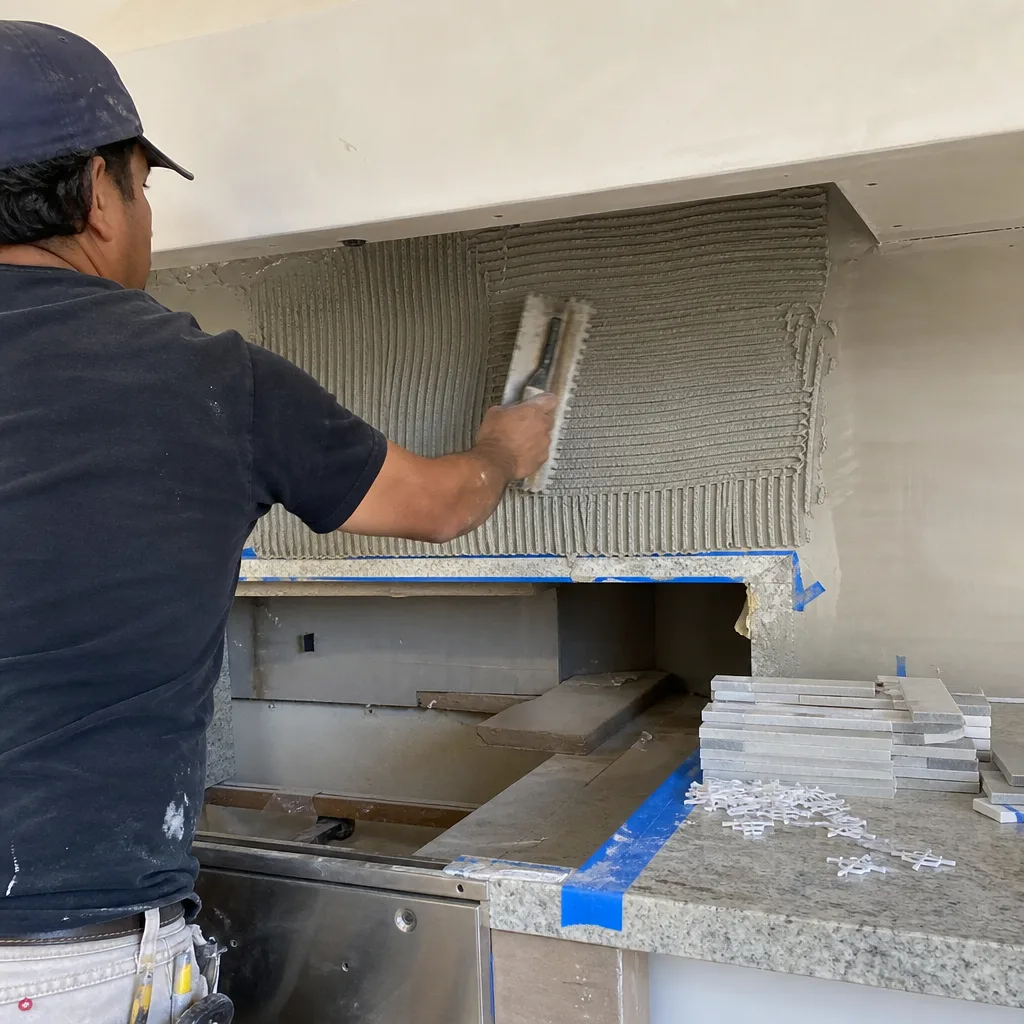
Any draw schedule that front-loads more than 10% down plus materials cost is outside California’s Business and Professions Code §7159 statutory limits. This isn’t a guideline or a best practice - it’s a specific dollar threshold that protects homeowners from contractors who collect payment before performing work, then disappear or deliver incomplete projects.
The statute works as follows for home improvement contracts:
- Down payment maximum: 10% of contract price or $1,000, whichever is less
- Materials exception: additional prepayment allowed for special-order materials that cannot be returned or used on another project, with documentation
- Progress payments: must be tied to completion of specific work phases, with defined inspection points
- Final payment: due only upon substantial completion and passing of all required inspections
The red flag configurations we encounter in Pasadena:
50% down to “schedule the crew.” This is pure cash-flow harvesting. No legitimate contractor needs 50% upfront to schedule labor; labor is paid weekly or biweekly as performed. The 50% down contractor is funding another project or covering overhead from your deposit.
“Materials cost” that exceeds actual special-order requirements. A bathroom remodel doesn’t require $15,000 in non-returnable special orders. The proper document lists each special-order item by brand and model, states the supplier’s return policy, and limits the materials prepayment to those specific items.
Progress payments without inspection milestones. “25% at rough-in” means nothing if rough-in isn’t defined. The proper schedule states: “25% due upon completion of plumbing rough-in, verified by city inspection approval.” This ties payment to objective verification, not contractor assertion.
For a typical $75,000 kitchen remodeling project in Pasadena’s competitive market, the legal maximum down payment is $1,000 (the 10% figure is $7,500, but the statute caps at $1,000). Materials prepayment might add $8,000-$12,000 for custom KraftMaid cabinets with a 6-8 week lead time. The remaining $62,000-$66,000 is paid in progress draws tied to inspection approvals. Any bid requesting $20,000 or more before work begins is legally noncompliant and structurally predatory.
Our payment schedules follow the statute precisely. The written price under Clause 1 includes the payment schedule with inspection milestones. No payment is due before the corresponding work is verified - by city inspector, by photo documentation, or by both.
Scope Red Flags: Unsigned Change Orders and Lien Exposure
Change orders presented verbally or via text without a dollar amount, written description, and both-party signatures create specific California mechanic’s lien exposure that can force homeowners to pay twice for the same work. This is the most common source of post-project disputes in Pasadena’s construction market, and it’s entirely preventable with document discipline.
California Civil Code §3111 requires specific elements for a valid change order: the change in scope, the contract price adjustment, and signatures of both parties. When these elements are missing, the contractor retains the right to record a mechanic’s lien for the “reasonable value” of the work performed - a figure the contractor calculates, not the amount the homeowner believed was agreed.
The failure sequence we see repeatedly:
- Mid-project, the contractor texts: “Found rot behind the shower, need to replace subfloor, extra $1,200.” Homeowner replies: “OK go ahead.”
- Work proceeds. No written change order is produced.
- At final billing, the charge is $2,400 - the contractor’s “reasonable value” including extended labor for access difficulties not mentioned in the text.
- Homeowner disputes. Contractor records a $2,400 mechanic’s lien, clouding title and potentially triggering mortgage acceleration.
- Homeowner must pay to clear title, then litigate for recovery - a process that costs more than the disputed amount.
The unsigned change order is particularly dangerous in Pasadena’s older housing stock. Homes in the Caltech vicinity, Bungalow Heaven, and the Arroyo Seco foothills routinely conceal undocumented modifications from previous owners - non-permitted additions, unprofessional electrical work, compromised foundations from hillside settlement. A contractor without change-order discipline encounters these conditions, performs necessary remediation, and presents an uncollectible bill.
Under the Haven Standard, no work proceeds on a change until the change order is signed. The document contains: the specific scope change in plain language; the exact dollar adjustment; the impact on project timeline if any; and signatures from both our project manager and the homeowner. This is the administrative discipline Haven acquired Rowan for in 2007, and it’s the reason our projects finish within a few percent of the agreed cost across 4,000-plus jobs.
The photo record supports this process. Every visit includes documented evidence of the condition that necessitated the change - the rotted subfloor, the compromised foundation, the outdated wiring - so the homeowner sees what we saw, not merely what we described.
Pasadena-Specific Risks: Seismic, Climate, and Code Context
Pasadena’s location at the base of the San Gabriel Mountains creates construction risk factors that don’t exist in flatland markets, and contractors unfamiliar with these conditions produce bids that ignore them - or worse, bids that appear competitive precisely because they ignore them.
Seismic considerations. The 1971 San Fernando earthquake and 1994 Northridge earthquake both damaged Pasadena structures, particularly unreinforced masonry and hillside homes with soft-story conditions. Any structural modification - a home addition, ADU, or major kitchen remodeling involving wall removal - requires engineering evaluation for lateral force resistance. A bid that doesn’t line-item engineering review or presumes “no structural work needed” without verification is deficient. The proper document states who performs the engineering evaluation, who pays for it, and how findings are incorporated.
Climate and moisture. Pasadena’s Mediterranean climate with winter rainfall concentrated in December through March creates specific envelope vulnerabilities. Roofing bids must specify underlayment type (synthetic versus felt), valley flashing method, and ventilation calculation - not merely shingle brand. A bid that names GAF or Owens Corning shingles but omits the underlayment specification has left a 15-20 year component undefined. In our experience, the homes most affected are those in the Arroyo Seco canyon, where temperature swings and occasional freeze-thaw cycles accelerate material degradation.
Historic district requirements. Pasadena’s 18 historic districts and numerous individually designated landmarks impose design review requirements that add time and documentation. A contractor who “handles the permit” without acknowledging potential Historic Preservation Commission review is either uninformed or deferring that complexity until after contract signing. The proper bid identifies whether the property is in a historic district, what review is required, and who prepares the documentation.
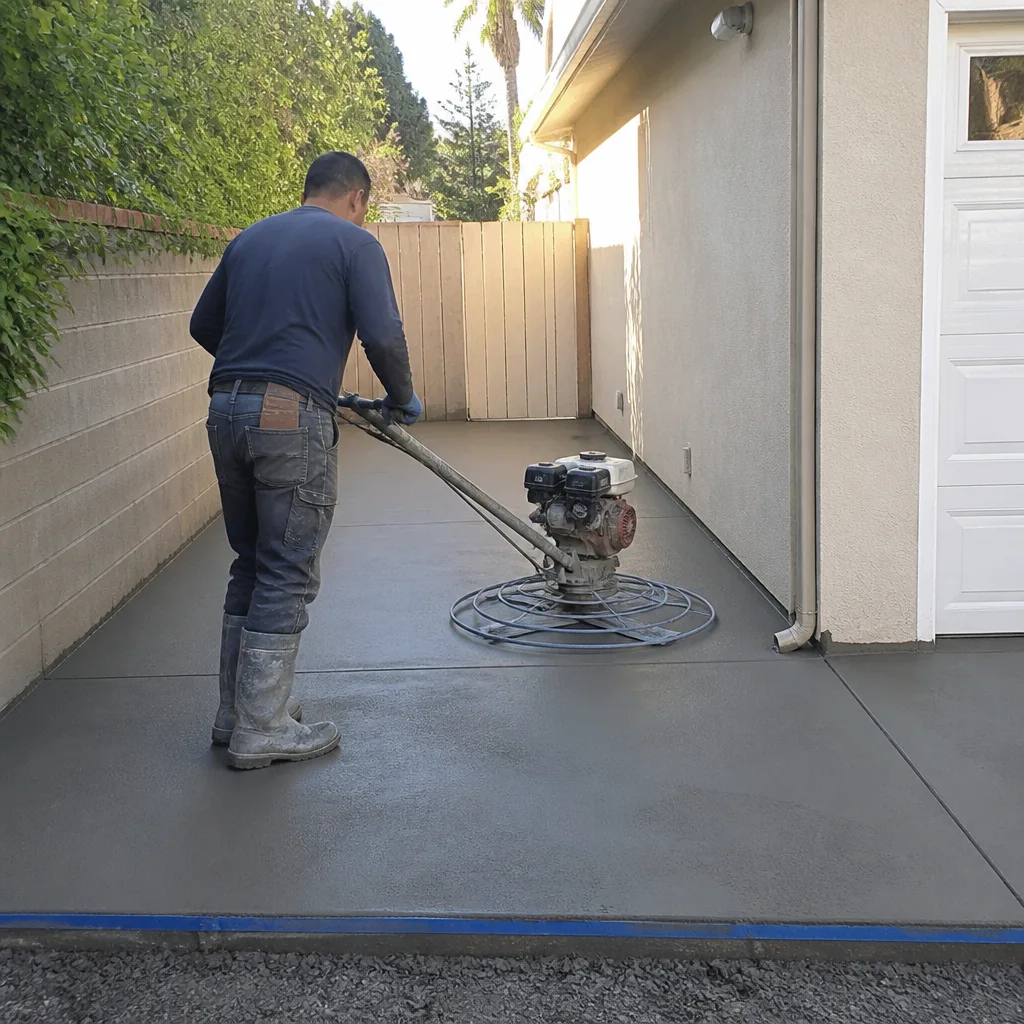
Soil and drainage. The Raymond Fault runs through northeast Pasadena, and hillside areas in Linda Vista and Annandale exhibit expansive clay soils that damage foundations seasonally. Any concrete work - driveway and pavers, foundation repair, or ADU construction - requires soil evaluation or specification of appropriate mitigation (pier foundations, post-tensioned slabs, Belgard or Techo-Bloc permeable paver systems for drainage compliance). A bid that assumes standard flatwork pricing for hillside conditions will produce change orders or failure.
These aren’t abstract risks. In 2019, we were called to a Madison Heights home where a competitor’s ADU project had proceeded without engineering review for hillside conditions. The completed structure developed foundation settlement within 18 months, requiring $34,000 in remediation that the original contractor disputed because the contract contained no engineering responsibility clause. The homeowner’s recourse was litigation - slow, expensive, and uncertain.
What a Proper Contract Contains: The Rowan Standard
The Haven Standard isn’t a marketing concept - it’s a documented system with numbered clauses that appear in every contract. Homeowners evaluating competing bids can use these clauses as a checklist, whether they hire Rowan or not.
Clause 1: Written Price Before Any Work Starts
The quote is a flat price with a written scope and a written warranty. Every material is specified by brand and model. Every labor phase is defined. The price includes permit costs, inspection fees, and final cleanup. “Call for a quote” is not an option here - the number is written, or the conversation hasn’t reached contract stage.
Clause 2: Signed Change Orders
No work proceeds on a change until the change order is signed. The document contains scope, price, timeline impact, and dual signatures. The photo record documents the condition that necessitated the change.
Clause 3: 365-Day Done Right Promise
If it is not done right, Rowan makes it right. The guarantee is printed on every page and backed by a terms page, not an asterisk. This applies to all seven trades: Kitchen Remodeling, Bathroom Remodeling, Roofing, Windows and Doors, Fence Installation, Driveway and Pavers, and Home Additions including ADUs.
Clause 4: Documented Photo Record
Every visit includes a documented photo record as standard, not an upgrade. The customer receives evidence of what was found and what was done - condition photos before work, progress photos during, and completion photos with inspection approvals.
Clause 5: Background-Checked, Uniformed Technicians
Every crew member is verified before they arrive. The license number is on the page; the crew roster is available on request. A live person answers calls 24/7, not an answering service with callback promises.
This system produces measurable outcomes. Across 4,000-plus projects since 2007, our costs have remained within a few percent of the agreed price because the administrative discipline prevents scope creep, material substitution, and undocumented changes. The competitor who skips these steps may quote lower initially; they recover margin through the gaps this system closes.
Common Mistakes to Avoid
- Accepting a “verbal ballpark” as a valid comparison point. A contractor who won’t put specifications in writing before you sign is a contractor who reserves the right to change them later. In Pasadena’s market, where comparable contractor quotes for the same project can vary by 40%, the written specification is the only apples-to-apples comparison tool.
- Assuming permit responsibility without reading the contract. The phrase “we handle permits” means nothing if the permit type isn’t specified. Verify the contractor permit versus owner-builder distinction in writing before signing.
- Accepting insurance documentation from the contractor rather than the broker. A COI printed from a contractor’s computer can be altered. Request direct transmission from the insurance broker to your email, and verify the additional insured location includes your property address.
- Front-loading payment to “secure a spot.” In California, the 10% or $1,000 down payment limit exists because “spot securing” is a common precursor to contractor failure. Legitimate contractors schedule work based on crew availability and project readiness, not deposit timing.
- Ignoring the materials specification because “it’s just a bathroom.” The fixture and finish selections in a bathroom represent 30-40% of project cost. A bid that specifies “chrome faucet” without brand and model assumes a $89 builder-grade Delta when you may have discussed a $340 Moen with motion activation. The gap is $251 times every fixture - measurable, and entirely preventable with proper documentation.
- Verbal change approvals during busy project phases. The pressure to keep work moving is real, but every verbal approval without written documentation creates lien exposure. Pause for the signature. The delay is hours; the protection is the full project value.
- Comparing bids without normalizing for permit and inspection costs. One contractor includes permit fees; another excludes them. One includes final inspection and correction work; another treats corrections as change orders. The lower bid may be higher by $3,000-$8,000 once normalized - a common occurrence in Pasadena’s permit-intensive market.
When to Call a Professional
Call a licensed contractor when your project involves structural modification, electrical or plumbing work, roofing replacement, or any work requiring a city permit - which in Pasadena encompasses most projects beyond cosmetic painting and flooring. The documentation review process described in this guide applies equally to small projects and large ones; a $4,000 fence installation carries the same permit and insurance requirements as a $400,000 home addition.
Specific scenarios that warrant immediate professional evaluation: foundation cracks wider than 1/4 inch, especially in hillside areas; roof leaks following winter storms, before spring heat creates secondary damage; electrical panels with fused circuits or aluminum branch wiring, common in pre-1975 Pasadena homes; and any contractor bid that raises multiple red flags from this guide.
Rowan Construction Group Pasadena offers free estimates in Pasadena - call (562) 203-4508. We also provide our Free Second Opinion on any written estimate: bring a competitor’s quote and we’ll review it line by line against the standards in this guide, at no charge.
Frequently Asked Questions
California law limits home improvement down payments to 10% of the contract price or $1,000, whichever is less, plus documented special-order materials costs. For a typical $75,000 kitchen remodel, the legal maximum is $1,000 down plus any non-returnable custom orders. Any bid requesting more is noncompliant. Call (562) 203-4508 for an exact quote on your project - estimates are free.
This transfers all legal liability for code compliance, worker injuries, and permit violations to you as the homeowner. The contractor becomes unregulated by the Contractors State License Board, and your homeowner’s insurance may deny claims for uninsured worker injuries. A legitimate contractor pulls a contractor permit in their own name and license number. If you’re uncertain about permit status on an active project, contact the City of Pasadena Building Division directly with the permit number.
Request the Certificate of Insurance directly from the contractor’s insurance broker, not from the contractor. Verify that your property address appears as an additional insured location, not merely that the “additional insured” box is checked. Confirm general liability coverage of at least $1 million per occurrence and workers’ compensation coverage if the contractor has employees. For hillside or crane-access projects in Pasadena’s canyon neighborhoods, consider requiring higher liability limits.
A comparable bid specifies cabinet brand and line (KraftMaid Vantage, Wellborn Forest), countertop material and brand (Cambria Brittanicca, Caesarstone Calacatta Nuvo), fixture brands and models (Moen Arbor, Delta Leland, Blanco Precis), appliance cutout dimensions and electrical requirements, and a defined scope of demolition, rough-in, and finish work. Without these specifications, bids vary by $10,000-$25,000 for the same verbal description. Our Kitchen Remodeling in Pasadena page details our specification process.
Only with a signed change order documenting the scope change, price adjustment, and timeline impact. Without this document, the contractor’s additional charges are unenforceable - but the contractor may still record a mechanic’s lien, forcing you to litigate. The protection is administrative: never approve work verbally, always require the signed change order before work proceeds. Under the Haven Standard, we present change orders with photo documentation of the condition that necessitated the change.
Unpermitted work in Pasadena creates four exposures: city enforcement actions including required demolition and reconstruction; homeowner liability for injuries to unpermitted workers; title clouding that blocks sale or refinancing until permits are retroactively obtained (a $5,000-$15,000 process); and insurance denial of claims related to unpermitted conditions. Pasadena’s active code enforcement and historic district requirements make this risk higher than in less regulated municipalities. The permit number in your contract, verifiable with the city, is your protection.
The Bottom Line
Construction warning signs in Pasadena aren’t about detecting dishonesty - they’re about recognizing process gaps that predict bad outcomes regardless of contractor intent. The five critical checkpoints are: material specifications in writing, insurance naming your property as additional insured, contractor permits with verifiable numbers, payment schedules within California’s legal limits, and signed change orders with dollar amounts before work proceeds. Each gap transfers risk from contractor to homeowner, and each is detectable before contract signature with the document review discipline this guide describes. The contractor who has these systems in place will show them willingly; the contractor who resists documentation review has already demonstrated the problem.
Written by Grant Rowan, Owner at Rowan Construction Group Pasadena, serving Pasadena since 2007.