
Last updated September 24, 2026
Free written scope consultation - allowances, timeline, and change-order rules on paper before a single trade is scheduled
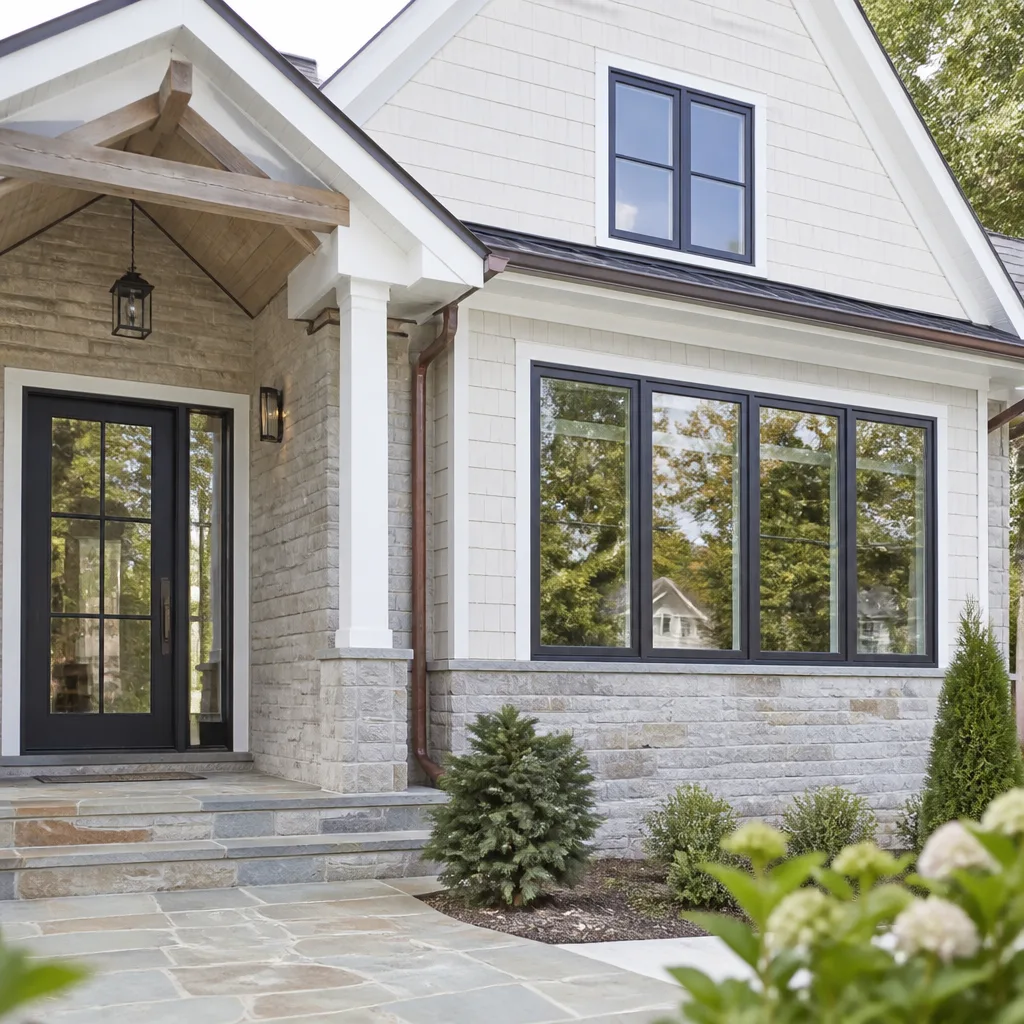


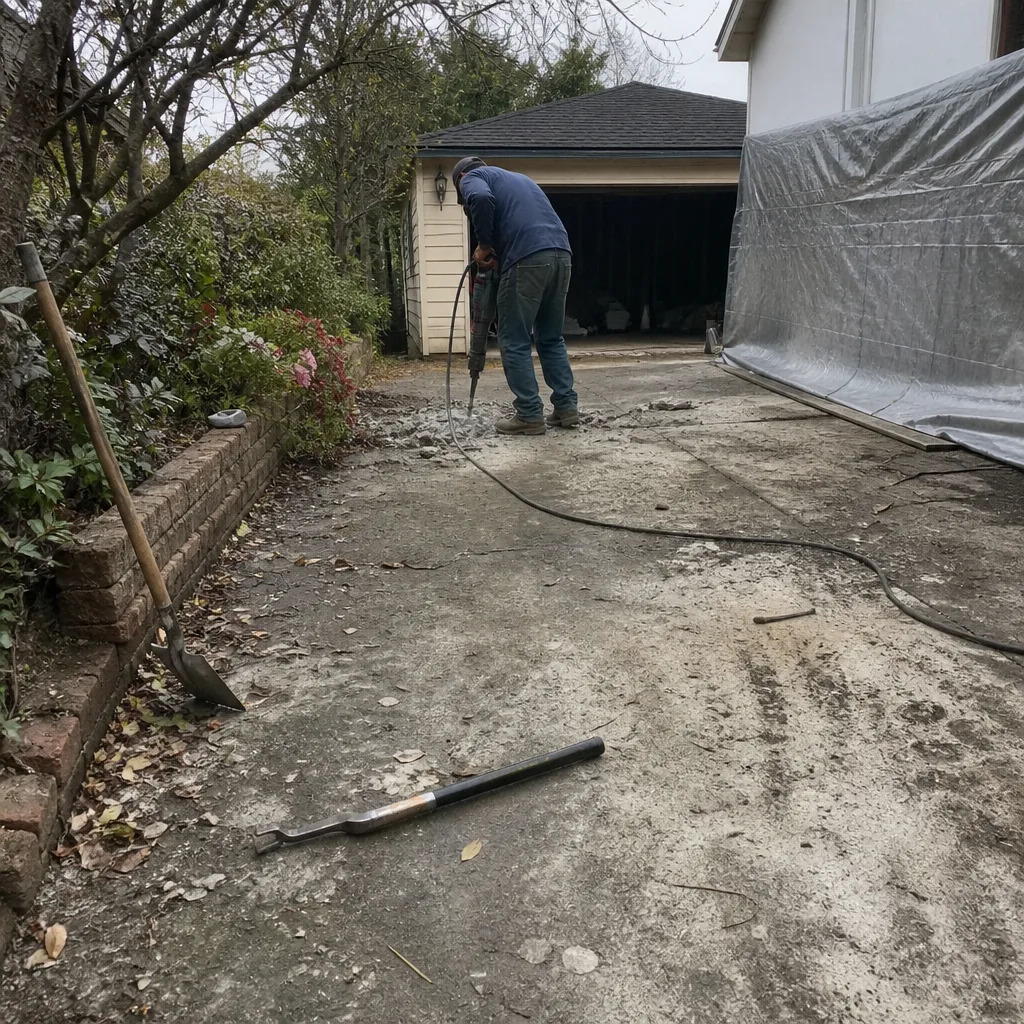 Before
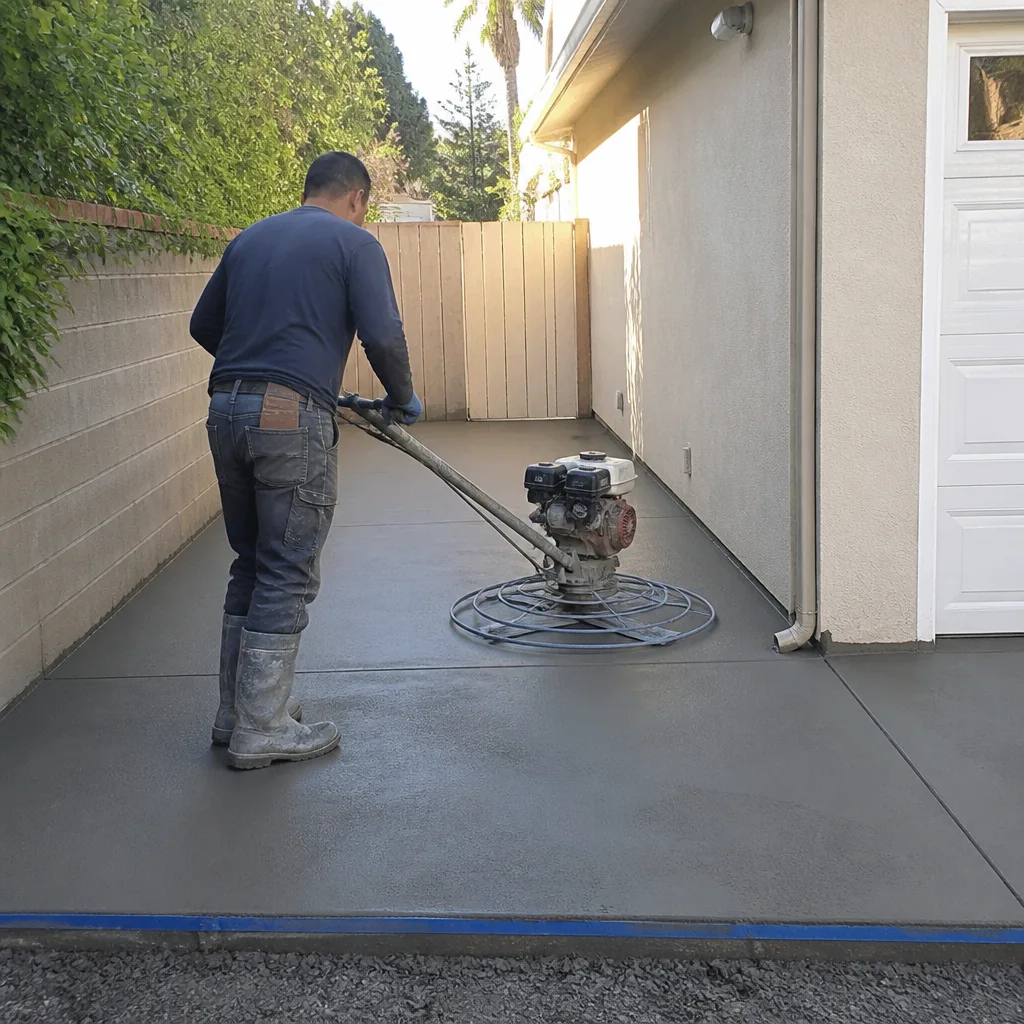 After
After Before
 After
AfterHow to Hire a Construction Contractor in Pasadena: A Step-by-Step Guide
The California Contractors State License Board lists 47 active complaints against Pasadena-area contractors as of 2024. Every one of those homeowners chose a licensed contractor. The license wasn’t the problem; the contract was. In this guide, we’ll walk through the exact document sequence that protects Pasadena homeowners from the three most common failure modes: scope creep that doubles the budget, mechanics liens that cloud the title, and contractors who disappear mid-project with the deposit. You’ll learn how to verify credentials in the right order, compare bids so a low number doesn’t hide a missing scope, and read a California construction contract the way an attorney would.
Quick Answer
Hiring a construction contractor in Pasadena requires verifying five documents in sequence before discussing price: CSLB license status, workers’ compensation certificate, general liability certificate, contractor bond, and then a written contract compliant with California Business and Professions Code §7159. The bid comparison matters only after the documents check out. A written price with a defined scope, signed change orders for any modification, and a closed permit card at completion separate projects that finish on budget from those that don’t.
Table of Contents
- Step 1: Verify Credentials in This Exact Order
- Step 2: Compare Bids Apples-to-Apples
- Step 3: Read the Contract for Seven Clauses
- Step 4: Understand Change Orders Before Work Starts
- Step 5: Conduct Reference Checks That Actually Matter
- Pasadena-Specific Considerations
- Common Mistakes to Avoid
- When to Call a Professional
- Frequently Asked Questions
- The Bottom Line
 Before
 After
AfterStep 1: Verify Credentials in This Exact Order
Most Pasadena homeowners check the CSLB license and stop there. That’s like inspecting the foundation and ignoring the framing. California law requires specific coverage, and the absence of any one document exposes the homeowner to liability, delays, or uncollectible damages.
Here’s the sequence we’ve used on every project since 2007, and what to look for on each document:
- CSLB License Number Lookup
Go to cslb.ca.gov and enter the six- or seven-digit license number. Confirm the status reads “Active,” the classification matches the work (B-General Building for whole-house or multi-trade projects, C-36 Plumbing for water heater replacement, C-39 Roofing for re-roofs), and the license history shows no current suspensions. Check the “Personnel” section to verify the individual you’re speaking with is listed as an officer, partner, or qualifier. A common Pasadena scenario: a contractor shows a B license for a kitchen remodeling in Pasadena that includes electrical and plumbing relocation. The B classification covers this, but only if the contractor holds the proper specialty licenses or uses properly licensed subcontractors. Ask which trades will be self-performed and which subcontracted, then verify those subcontractor licenses separately.
- Workers’ Compensation Certificate of Insurance
Request a certificate naming you as the certificate holder, with the contractor’s policy number, effective dates, and the insurance company’s phone number for verification. In California, contractors without employees may file an exemption, but if any worker sets foot on your property, the exemption is void and you’re exposed. For roofing in Pasadena or any trade with height or heavy material risk, this is non-negotiable. A worker injured on your property without coverage can file against your homeowner’s policy or place a lien for medical costs.
- General Liability Certificate of Insurance
Look for at least $1 million per occurrence and $2 million aggregate, though many established Pasadena contractors carry higher limits. The certificate should name your property address as an additional insured for the project duration, not just the contractor’s business generally. Verify directly with the insurance company; forged certificates are common enough that we see them several times per year when reviewing competitor paperwork for our Rowan Construction Group Pasadena home second-opinion service.
- Bond Verification
California requires a $25,000 contractor bond. The CSLB lookup shows the bond company, but call the surety directly to confirm the bond is current and has no claims pending. A bond with an open claim may be exhausted before your project starts, leaving you with no recovery path for incomplete work.
- City Business License (Pasadena-Specific)
Pasadena requires contractors to register with the city and display a current business license. This is separate from the CSLB license. A contractor active in Pasadena but licensed elsewhere in California must still comply. The city’s Planning and Community Development Department maintains the registry; a contractor without it cannot pull permits in Pasadena, which means your project proceeds unpermitted or stalls at inspection.
Only after all five documents check out should you discuss scope, schedule, or price. We’ve turned down projects where the homeowner wanted to skip ahead to “what will it cost” because the documentation wasn’t complete. Under Clause 1 of the Haven Standard, the written price comes after the paperwork is verified, not before.
Step 2: Compare Bids Apples-to-Apples
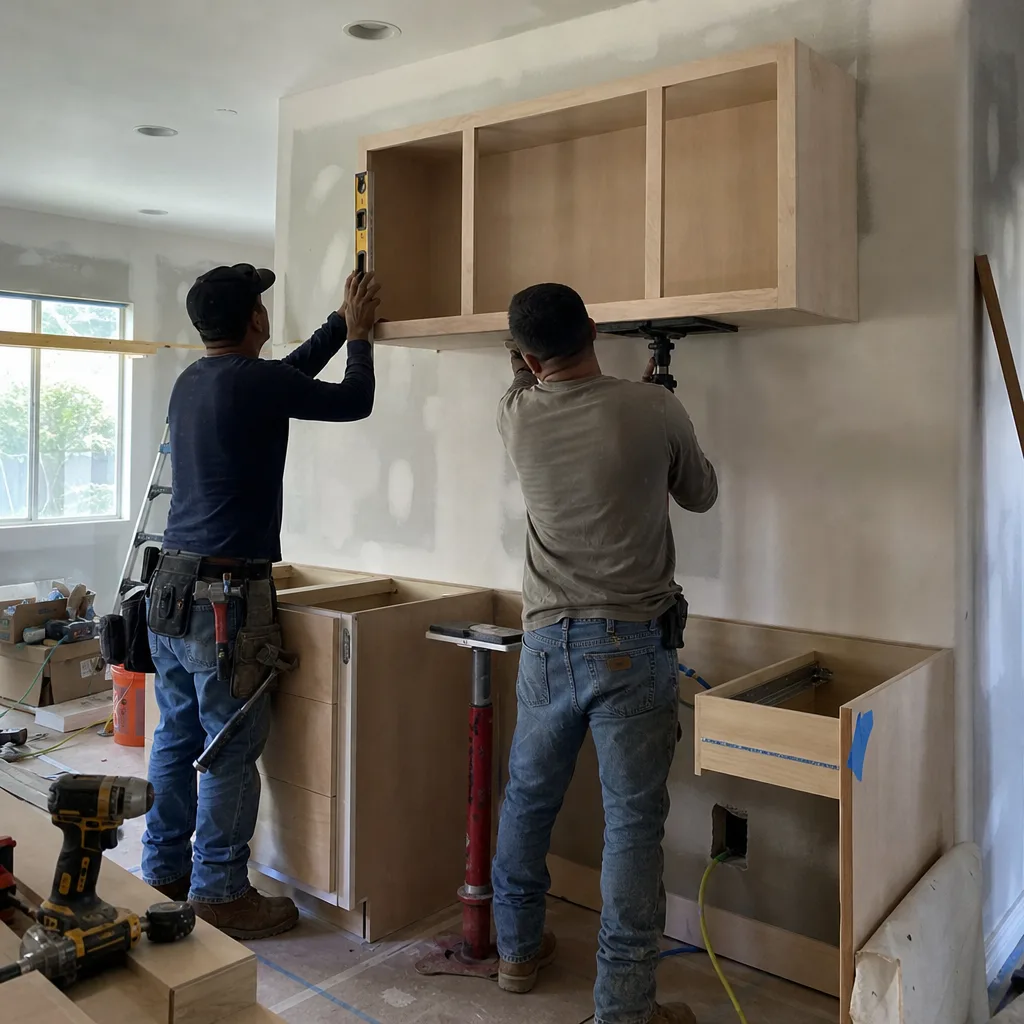
Three bids for a bathroom remodeling in Pasadena can range from $18,000 to $45,000 for what sounds like the same scope. The difference is rarely markup; it’s usually scope omission. One bid assumes existing plumbing stays in place. Another includes moving the toilet 8 feet but not the concrete slab cutting that requires. A third prices Schluter-Kerdi waterproofing membrane while the others assume standard vapor barrier.
The Construction Specifications Institute (CSI) divides projects into uniform divisions. Aligning bids by these divisions exposes gaps. Here’s how to structure your comparison:
- Division 2 – Existing Conditions: Demolition, haul-away, asbestos or lead testing if pre-1978. Does the bid include Pasadena’s mandatory debris box placement permit for street parking? Many don’t.
- Division 3 – Concrete: Slab cutting, new footings, or stem walls for additions. In Pasadena’s hillside zones, this often requires geotechnical review.
- Division 6 – Wood, Plastics, Composites: Framing, sheathing, trim. Specify pressure-treated or engineered lumber where moisture contact exists.
- Division 7 – Thermal and Moisture Protection: Roofing, flashing, waterproofing. For roofing, specify GAF Timberline HDZ vs. Owens Corning Duration; for bathrooms, Schluter-Kerdi vs. traditional mud pan.
- Division 9 – Finishes: Tile, paint, flooring. Is tile labor per square foot or per piece? Mosaic sheets cost more to install than 12×24 porcelain.
- Division 10 – Specialties: Medicine cabinets, grab bars, shower doors. Sterling Ensemble vs. custom tile shower? Grohe Eurocube vs. builder-grade fixture?
- Division 22 – Plumbing: Fixture relocation, venting, water heater. Pasadena’s 2020 Plumbing Code amendments affect gas line sizing.
- Division 26 – Electrical: Panel upgrades, circuit additions, EV charging rough-in. Older Pasadena homes in Bungalow Heaven or Prospect Park often need service upgrades from 100A to 200A.
Request that each bidder organize their proposal by these divisions with line-item pricing. A bid that won’t break down this way is hiding something. At Rowan Construction Group Pasadena, we deliver line-item quotes as standard because Clause 1 of the Haven Standard requires a written price with written scope; “call for a quote” is not an option here.
When you line up three bids this way, the low bidder usually reveals missing divisions. We’ve seen $22,000 kitchen bids that omitted electrical panel upgrades needed for induction cooktops, or $28,000 bids that assumed the homeowner would handle permit fees and inspection scheduling. Pasadena permit fees for a kitchen remodel run $800-$2,400 depending on valuation. That’s not a rounding error.
Step 3: Read the Contract for Seven Clauses
California Business and Professions Code §7159 mandates five specific provisions in every home improvement contract over $500. Most Pasadena homeowners don’t know what they are, and some contractors omit them hoping the homeowner won’t check. Here’s what the law requires, plus three additional clauses that protect you beyond the legal minimum.
The Five Mandatory Clauses (B&P Code §7159)
- Contractor’s name, address, and CSLB number - prominently displayed. Not in fine print, not on a separate sheet.
- Notice of cancellation rights - a three-day right to cancel for any reason, with a specific form format. The contractor must provide two copies.
- Start and completion dates - or a defined schedule of work with milestones. “ASAP” or “when materials arrive” does not comply.
- Payment schedule tied to completion milestones - not dates, progress. California limits down payments to the lesser of $1,000 or 10% of contract price. Any request for more is a red flag.
- Description of work and materials - specific enough to identify major products. “Install cabinets” fails; “Install KraftMaid Maple Shaker cabinets, soft-close hinges, as detailed in attached elevation” complies.
The Three Additional Clauses We Require on Every Rowan Contract
- Written Change Order Requirement: No work proceeds on any change until the change order is signed by both parties, with a revised total price and revised completion date. This is the administrative discipline Haven acquired Rowan for, and the reason our projects finish within a few percent of the agreed cost across 4,000-plus jobs. Verbal approvals are not enforceable under California mechanics lien law.
- Mechanics Lien Warning and Release: The contract must include the CSLB-prescribed mechanics lien warning, plus we attach conditional lien releases from us and every subcontractor with each progress payment. This prevents a cloud on your title from a supplier or sub we paid who claims they weren’t.
- Permit Responsibility and Closure: The contractor specifies which permits they will pull, the inspection sequence, and the final sign-off date. The permit card must be closed, not just “passed inspection.” An open permit in Pasadena’s system blocks future sales or refinances.
Read the contract with these seven clauses in hand. A contract that complies with §7159 but lacks the three additional protections leaves you exposed to the exact scenarios that generated those 47 CSLB complaints.
Step 4: Understand Change Orders Before Work Starts
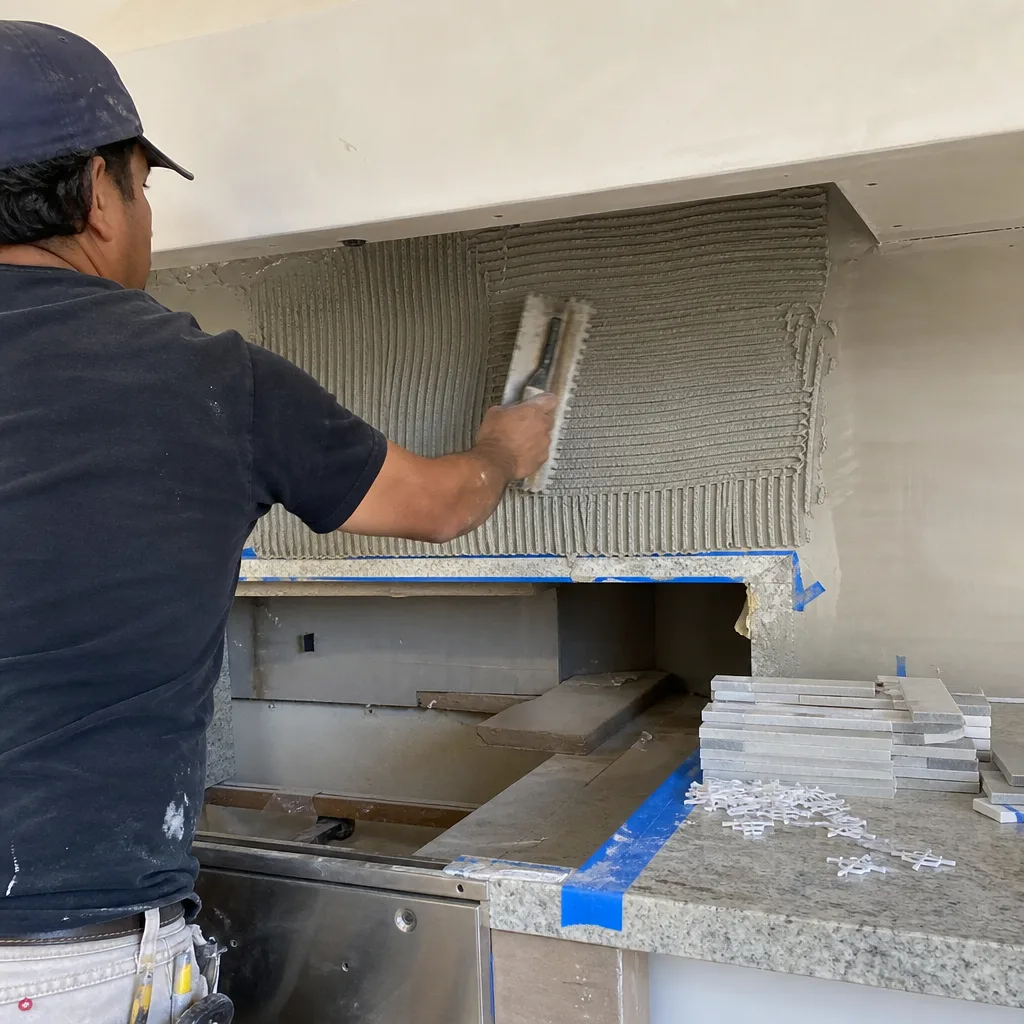
California’s mechanics lien law (Civil Code §8400-8484) gives contractors, subcontractors, and material suppliers powerful collection tools. An unpaid contractor can record a lien 90 days after completion of work, clouding your title and potentially forcing a sale to satisfy the debt. The law does not require a written contract for lien rights to attach. It does require that the work be authorized.
Here’s where unsigned change orders become dangerous. A homeowner says “sure, move that wall 2 feet” during a site visit. The contractor moves it, adds $4,200 to the final invoice, and the homeowner disputes the charge. Without a signed change order, the contractor’s lien claim rests on proving verbal authorization. The homeowner’s defense rests on denying it. Litigation follows, the title clouds, and the house sale scheduled for next month is delayed or canceled.
We’ve seen this exact scenario in Pasadena’s competitive real estate market, where a clouded title can derail a transaction and cost the seller their buyer’s earnest money plus carrying costs.
A proper change order contains:
- A written description of the change, with before-and-after dimensions or specifications
- The exact price increase or decrease, with line-item breakdown
- The schedule impact, in days
- Both parties’ signatures and dates
- A revised contract total, carried forward
At Rowan Construction Group Pasadena, no crew member has authority to proceed on a verbal change. The field supervisor documents the request, the office prepares the change order within 24 hours, and work stops until the signed document is returned. This discipline adds administrative time. It eliminates the disputes that consume far more.
Ask prospective contractors: “Show me what your change order looks like.” A blank stare or a one-line form is your signal to continue looking.
Step 5: Conduct Reference Checks That Actually Matter
“Were you happy with the work?” produces a yes or no. It doesn’t produce the information you need. After 4,000 projects, we’ve learned what questions reveal whether a contractor delivers what they promise.
Request three references from projects completed 12-36 months ago. Recent projects haven’t aged enough to reveal problems; projects older than three years may reflect practices the contractor no longer follows. Then ask:
- “What was your original contract price, and what was your final invoice total?”
The gap tells you everything. A 5-10% increase typically reflects legitimate change orders. A 30-50% increase signals scope creep, undisclosed conditions, or a low-ball initial bid. At Rowan, our projects finish within a few percent of the agreed price because signed change orders prevent surprise additions.
- “Did the permit card close on schedule, and do you have the final signed card?”
An open permit is a ticking clock in Pasadena. The city can assess penalties, and buyers’ lenders require closure. Some contractors “pass inspection” but never file the final documentation. The homeowner discovers this years later during a sale.
- “What documentation did you receive when the crew finished?”
Look for: written warranty with terms page, not a handshake; photo record of work in progress and completed conditions; lien releases from all subcontractors and suppliers; and the final permit sign-off. Our standard deliverable includes all four, plus the documented photo record on every visit that shows what was found and what was done.
- “Was there a dispute, and how was it resolved?”
Every project has friction. The question is whether the contractor has a process. The 365-Day Done Right Promise, printed on every page and backed by a terms page, not an asterisk, exists because problems happen. The promise matters more than the perfection.
- “Would you hire them again for a different project?”
Repeat business is the only reference that can’t be faked. A homeowner who calls the same contractor for kitchen remodeling in Pasadena and later for a roofing in Pasadena replacement has tested the relationship across trades and time.
Call at least two references. Email produces polished answers. A phone call produces hesitation, elaboration, and the details that matter.
Pasadena-Specific Considerations
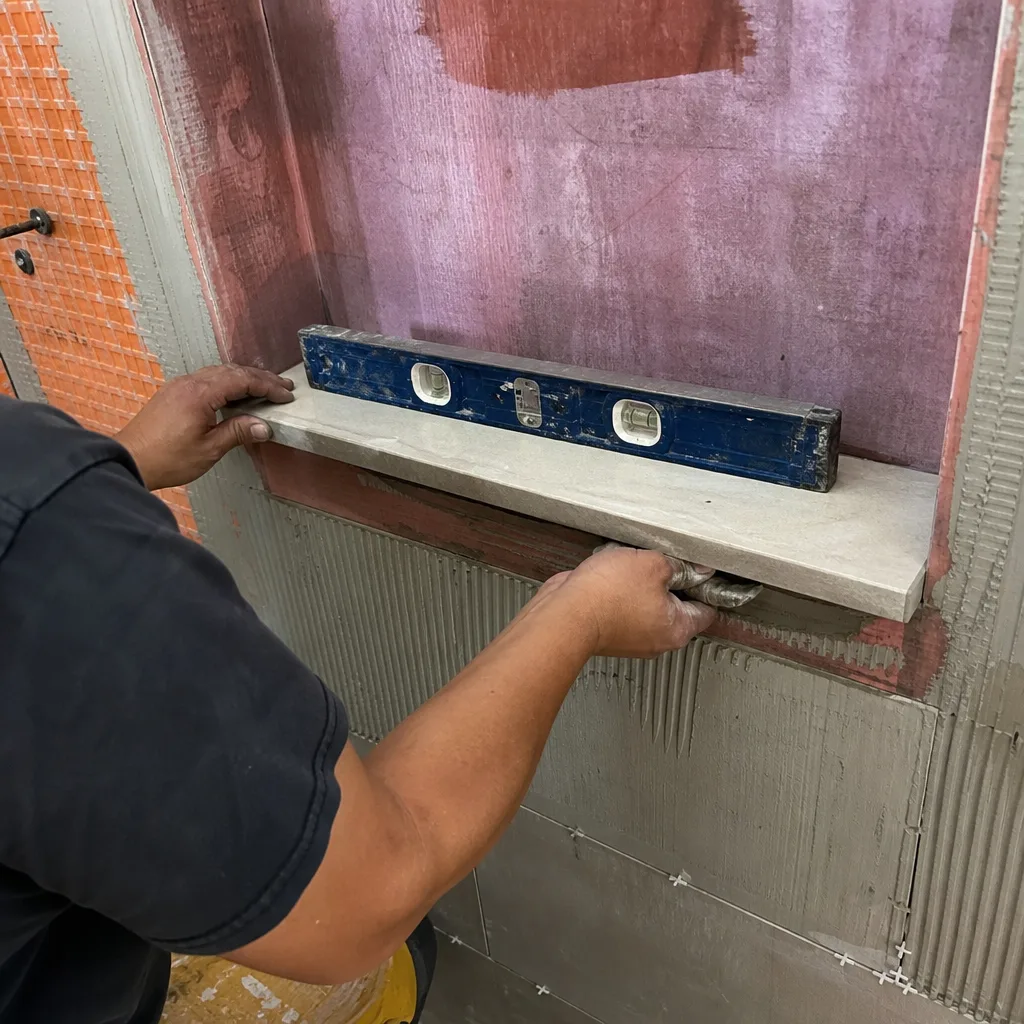
Pasadena’s construction environment has characteristics that affect contractor selection and project planning. Understanding these before you hire prevents mid-project surprises.
Climate and Material Selection
Pasadena’s Mediterranean climate - hot, dry summers with occasional Santa Ana wind events and mild, wet winters - stresses certain materials differently than coastal or inland climates. Roofing in Pasadena requires attention to UV degradation and wind uplift; GAF and Owens Corning both rate their architectural shingles for the wind speeds we see in the San Gabriel Valley foothills. For exterior work, the thermal cycling between 45°F winter mornings and 105°F summer afternoons expands and contracts sealants and fasteners on a daily basis. Specifications should address this explicitly.
Historic Districts and HPOZ Requirements
Pasadena has 18 Historic Preservation Overlay Zones, including Bungalow Heaven, Prospect Park, and Orange Heights. Work visible from the public right-of-way in an HPOZ requires review by the Historic Preservation Commission, adding 30-60 days to permitting. Contractors unfamiliar with HPOZ procedures often miss this step, producing stop-work orders when demolition or exterior alteration begins without approval. Verify your contractor has completed HPOZ projects in your specific zone.
Hillside and Seismic Codes
Properties north of the 210 corridor and in the San Rafael hills face geotechnical and grading requirements that flatland projects don’t. Retaining walls over 4 feet require engineered plans and special inspection. Foundation work in hillside zones triggers Chapter 18 of the California Building Code plus Pasadena’s local amendments. A general contractor without hillside experience will price these contingencies wrong or omit them entirely.
Permit Timing and Inspection Availability
Pasadena’s Building and Safety Division inspects by appointment, with next-day availability typical for standard trades but 3-5 day waits for structural and final inspections during peak spring and fall seasons. A contractor who promises a 3-week kitchen remodel in April hasn’t checked the inspection calendar. Realistic scheduling accounts for inspection lead times and the re-inspection that follows if any item fails.
Water Conservation Requirements
Pasadena Water and Power enforces California’s Model Water Efficient Landscape Ordinance for projects disturbing more than 2,500 square feet of landscape, and the city’s own plumbing fixture requirements exceed state minimums. A bid that prices standard toilets and showerheads without specifying Pasadena-compliant models (typically 1.28 GPF toilets, 1.5 GPM showerheads) will require change orders or fail final inspection.
Common Mistakes to Avoid
- Starting with price instead of paperwork. The lowest bid from an unbonded contractor with lapsed insurance is not a deal; it’s an assumption of liability. Verify documents first, then compare prices among qualified bidders.
- Accepting “allowances” without defined products. A $5,000 “tile allowance” sounds specific until you learn the contractor priced $2/sq.ft. ceramic and you selected $14/sq.ft. porcelain. Every material should be specified by manufacturer and line, or the bid should include a realistic per-unit price with your selection range defined.
- Paying ahead of progress. California’s 10%/$1,000 down payment limit exists because homeowners who pay 50% upfront have no leverage if the contractor disappears. Structure payments to completion milestones: demolition complete, rough inspection passed, final inspection passed, punch list complete.
- Neglecting the pre-construction meeting. The hour before work starts when you walk the site with the project manager, confirm material deliveries, establish daily start times, and document existing conditions with photos. Skip this and you lose the baseline that proves whether a crack was pre-existing or caused by work.
- Hiring based on personality instead of process. A charismatic contractor with no written change order procedure will charm you into verbal approvals that become disputes. A reserved contractor with documented systems and a terms-backed guarantee will deliver a finished project you can sell or refinance without issue.
- Ignoring permit requirements for “minor” work. Pasadena requires permits for water heater replacement, electrical panel upgrades, and even some fence installations depending on height and location. Unpermitted work must be disclosed in California property sales and can trigger retroactive permitting at the seller’s expense.
- Failing to verify subcontractor payment. You pay the general contractor in full, but they don’t pay the electrician. The electrician records a mechanics lien against your property. Require conditional lien releases with every payment, and verify they’re from every tier of worker, not just the general contractor.
When to Call a Professional
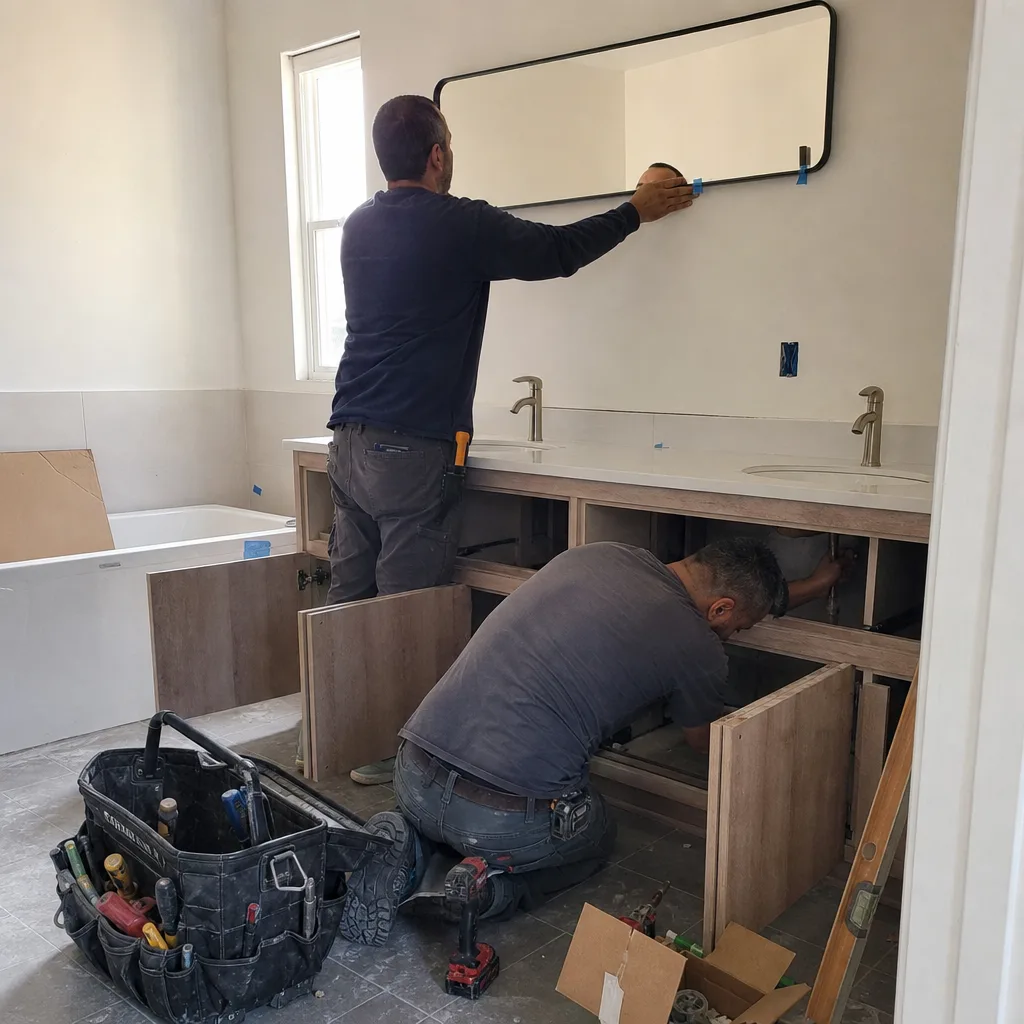
Certain project conditions in Pasadena make professional contractor selection urgent rather than optional. Structural modifications to hillside foundations, work in Historic Preservation Overlay Zones requiring commission approval, and any project involving gas line relocation or electrical service upgrades carry safety, legal, and financial risks that exceed typical homeowner management capacity.
If your project includes multiple trades - a kitchen remodel with plumbing relocation, electrical panel work, and permit-required ventilation - the coordination complexity alone justifies a general contractor with documented systems. The same applies to home additions and ADUs in Pasadena, where setback requirements, fire separation, and utility tie-ins span multiple code chapters and inspection disciplines.
Rowan Construction Group Pasadena offers free estimates in Pasadena. Our process begins with document verification, proceeds to a written line-item quote with defined scope, and includes the documented photo record and 365-Day Done Right Promise on every project. Call (562) 203-4508 to schedule your free estimate.
Frequently Asked Questions
General construction contractor rates in Pasadena typically include project management at 15-25% of hard costs, with total project costs ranging from $85-$180 per square foot for remodeling and $200-$400 per square foot for new construction or ADUs, depending on finishes and structural complexity. A written quote with line-item breakdown is the only way to compare accurately. Call (562) 203-4508 for an exact quote - estimates are free.
Enter the contractor’s six- or seven-digit CSLB license number at cslb.ca.gov and verify “Active” status, matching classification, and no current suspensions. Then confirm Pasadena city business license registration separately through the Planning and Community Development Department. Both are required for legal operation in Pasadena.
California B&P Code §7159 requires five provisions: contractor identification with CSLB number, three-day cancellation notice with required form, start and completion dates, payment schedule tied to milestones with down payment capped at $1,000 or 10%, and specific description of work and materials. Beyond these, require written change orders, mechanics lien releases, and permit closure documentation.
Bid variation usually reflects scope omission rather than markup difference. One bid may assume existing plumbing stays fixed while another includes slab cutting; one may price GAF Timberline HDZ shingles while another uses a three-tab product without specifying. Align bids by CSI division with line-item pricing to expose these gaps before signing.
No. California law limits home improvement down payments to the lesser of $1,000 or 10% of the total contract price. Any request exceeding this is illegal and a significant red flag. Structure remaining payments to completion milestones, not calendar dates.
Without a signed change order, the contractor’s right to payment for additional work depends on proving verbal authorization, which California courts may or may not find sufficient. More critically, unpaid amounts can become mechanics liens against your property title, blocking sale or refinance until resolved. Always require written, signed documentation for any scope or price change.
The Bottom Line
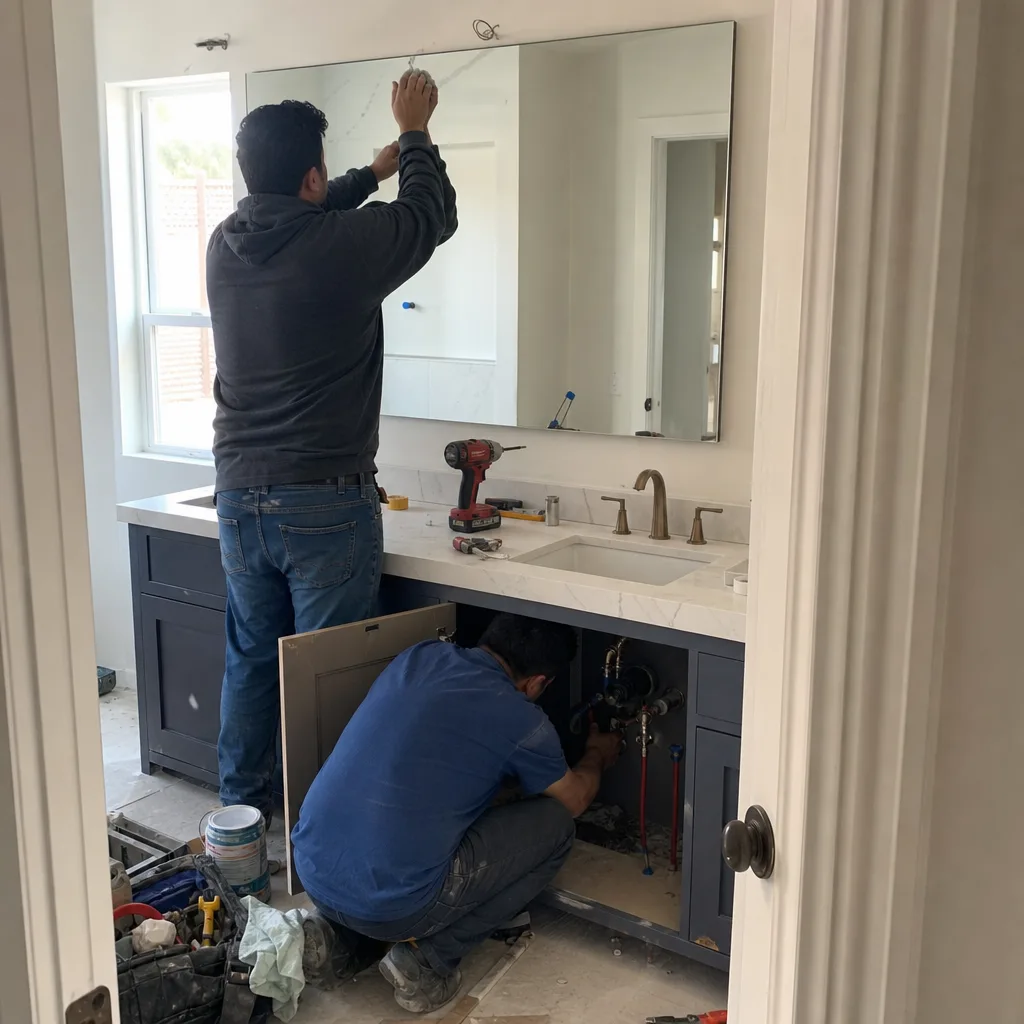
Hiring a construction contractor in Pasadena is a document-verification exercise that happens before price comparison, before personality assessment, and before any work begins. The sequence matters: CSLB license, workers’ comp, general liability, bond, city license - then scope discussion. The contract matters: seven clauses minimum, with written change orders and lien protections beyond the legal floor. The references matter: not whether someone was happy, but whether the final price matched the original contract and the permit card closed.
The 47 CSLB complaints against Pasadena-area contractors share a common thread. The homeowners verified the license. They didn’t verify the contract discipline. A written price before work starts, signed change orders for every modification, and a documented record at completion separate projects that finish on budget from those that become cautionary tales. We’ve delivered 4,000-plus projects under these disciplines since 2007. The systems exist because the failures they’re designed to prevent are real, common, and expensive.
Written by Grant Rowan, Owner at Rowan Construction Group Pasadena, serving Pasadena since 2007.