
Last updated September 24, 2026
Free written scope consultation - allowances, timeline, and change-order rules on paper before a single trade is scheduled
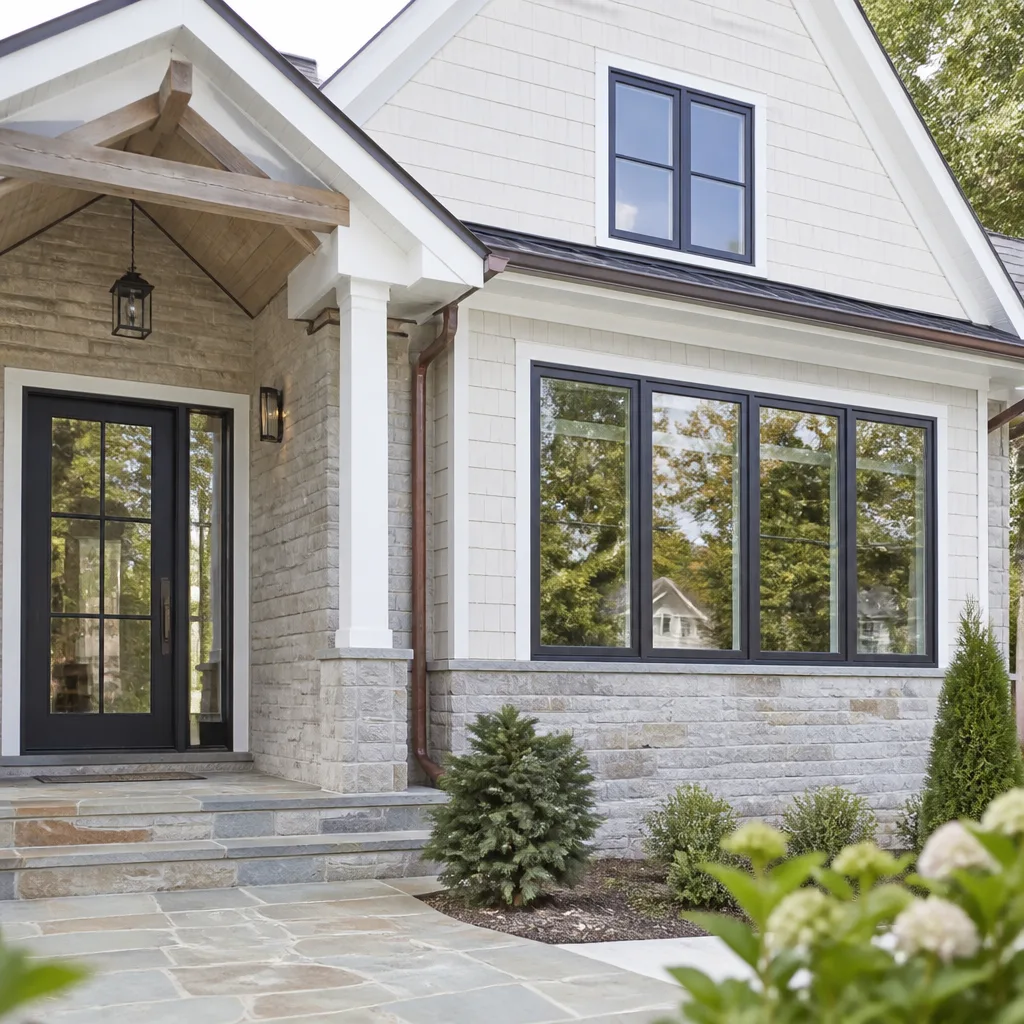
 Before
 After
After Before
 After
AfterThe Complete Guide to Construction in Pasadena
Pasadena has more locally designated historic landmarks than any other city in Los Angeles County. That single fact reshapes how every remodeling project, addition, and ground-up build unfolds here. A standard California building permit is often the second document you need, not the first. In this guide, we’ll walk through the regulatory layers, geological constraints, and bidding practices that separate projects that finish on time from projects that stall for months. Whether you’re renovating a 1920s bungalow in Bungalow Heaven or adding an ADU near Caltech, what you need to know about construction in Pasadena goes well past picking tile and cabinets.
Quick Answer
Construction in Pasadena requires navigating Historic Preservation Overlay Zones, Alquist-Priolo earthquake fault zones, and a multi-layered permit system that can add 4-16 weeks before work begins. Successful projects start with a contractor who prices the pre-construction homework, not just the build.
Table of Contents
- Historic Preservation and HPOZs: The First Permit, Not the Second
- Geology, Fault Lines, and Why Foundations Cost More Here
- The Pasadena Permit System: Seven Trades, Multiple Sub-Permits
- How to Read a Pasadena Construction Bid Line-by-Line
- Timeline Benchmarks: When Permits Actually Get Approved
- Pasadena Climate and Material Selection
- What Construction Costs in Pasadena: Real 2024-2025 Ranges
- Common Mistakes to Avoid
- When to Call a Professional
- Frequently Asked Questions
 Before
 After
AfterHistoric Preservation and HPOZs: The First Permit, Not the Second
Pasadena operates 18 Historic Preservation Overlay Zones, from the well-known Bungalow Heaven and Landmark Districts to smaller zones like Prospect Park and Civic Center. If your property falls within an HPOZ boundary, any exterior alteration, addition, or demolition requires approval from the city’s Historic Preservation Commission before the Planning and Community Development Department will issue a building permit.
This is not a formality. In our experience working across Pasadena since 2007, HPOZ review adds 6-10 weeks to a project timeline, and commissioners routinely return plans for revision on details as specific as window muntin patterns, roof pitch, and replacement siding profiles that match original Craftsman or Victorian-era materials.
Here’s what the HPOZ process actually involves:
- Pre-application consultation: A 30-minute meeting with city preservation staff to identify what aspects of your project trigger review. Cost: free. Timeline: 2-3 weeks to schedule.
- Neighborhood compatibility analysis: Your contractor or architect prepares scaled drawings showing how the proposed work relates to adjacent historic structures. This document becomes the basis for commission review.
- Commission hearing: HPOZ meetings occur twice monthly. Staff recommends approval, modification, or denial. Commissioners vote. There is no guaranteed timeline for resubmission if modifications are required.
- Certificate of Appropriateness: Once issued, this certificate attaches to your building permit application. Without it, the permit desk will not accept your plans.
We’ve seen contractors bid Pasadena projects using standard Los Angeles County timelines, then watch helplessly as the HPOZ process pushes start dates into the next quarter. Under Clause 1 of the Haven Standard, our written quotes include a permit timeline line item based on the property’s specific HPOZ status, verified through the city’s GIS parcel lookup before any price is delivered.
Not every Pasadena property sits in an HPOZ. The city’s online Rowan Construction Group Pasadena home map tool lets you check by address. But “not in an HPOZ” does not mean “no historic review.” Individual landmarks, structures of merit, and properties in the National Register Historic Districts carry their own approval requirements. We verify this in our first site visit and document it in the written quote.
Geology, Fault Lines, and Why Foundations Cost More Here
Pasadena sits at the junction of the San Andreas and Raymond faults. The southern and eastern portions of the city, including neighborhoods near Eaton Canyon and the foothill zone below the San Gabriel Mountains, fall within Alquist-Priolo Earthquake Fault Zones. State law prohibits most new construction across active fault traces without a geotechnical investigation proving the structure can be set back or engineered to withstand surface rupture.
What this means in practice: if your project involves foundation work, grading, or a new build in the AP zone, your contractor cannot pull a permit until a licensed geotechnical engineer submits a fault-rupture hazard report. We’ve seen these reports cost $3,800-$7,500 for single-family residential projects, and they add 3-5 weeks to pre-construction.
The Raymond Fault, lesser known than the San Andreas, runs through Pasadena’s central corridor. Properties near the intersection of Orange Grove and Lake, or along portions of Washington Boulevard, have surprised owners who assumed they were clear. The California Geological Survey publishes fault zone maps, but interpretation requires professional review. We coordinate this review as part of our site assessment for any project involving subsurface work.
Pasadena’s hillside areas, particularly in the Linda Vista and Annandale neighborhoods, present additional geotechnical complexity. Expansive clay soils, common in the San Rafael Hills, shrink and swell with moisture changes, cracking foundations and heaving concrete flatwork. A standard slab-on-grade foundation that performs adequately in flatland Arcadia may require pier-and-grade-beam construction in Pasadena’s hills, with cost implications of $15,000-$35,000 for the foundation alone on a typical home addition.
Our documented photo record on every visit includes soil condition documentation when we’re evaluating foundation work. The customer sees what we see: the clay color, the crack patterns in existing flatwork, the slope drainage. Under the Haven Standard, this evidence supports the written price before work starts, so there are no geological surprises after excavation begins.
The Pasadena Permit System: Seven Trades, Multiple Sub-Permits
A typical Pasadena remodel touches seven trade categories, and most require separate sub-permits or inspector sign-offs. Understanding this structure helps you read bids accurately and spot contractors who’ve underestimated the administrative workload.
| Trade | Typical Scope in Pasadena | Permit/Inspection Notes |
|---|---|---|
| Structural | Framing, shear walls, beams, foundation | Engineered plans required; 2-3 inspections typical |
| Electrical | Panel upgrades, rewiring, EV charging | Separate electrical permit; Pasadena requires arc-fault on all new circuits |
| Plumbing | Repipe, fixture relocation, gas lines | Gas line pressure test witnessed by inspector; water heater seismic strapping verified |
| HVAC | Ducted mini-splits, furnace replacement | Title 24 compliance documentation required; load calculations submitted with permit |
| Roofing | Reroof, structural modification for skylights | Cool roof requirements for low-slope; HPOZ review if visible from street |
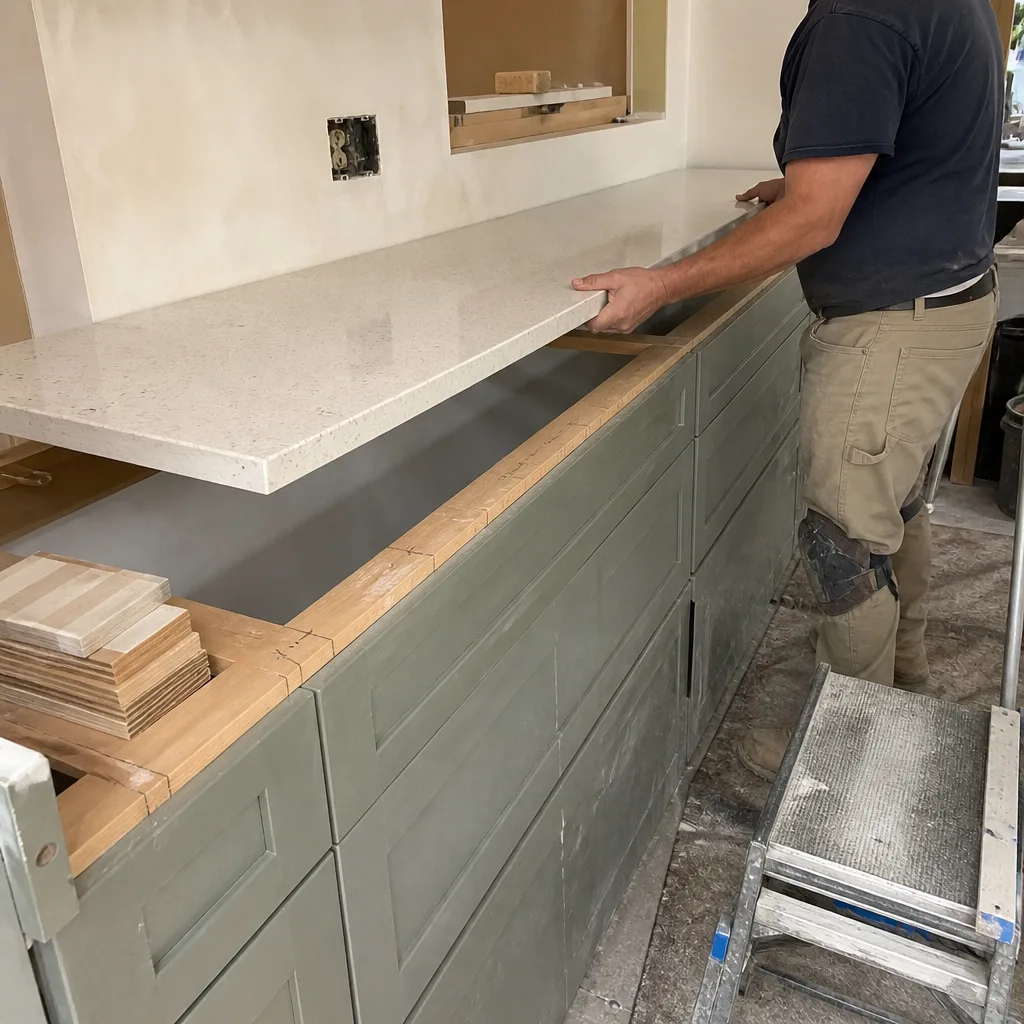
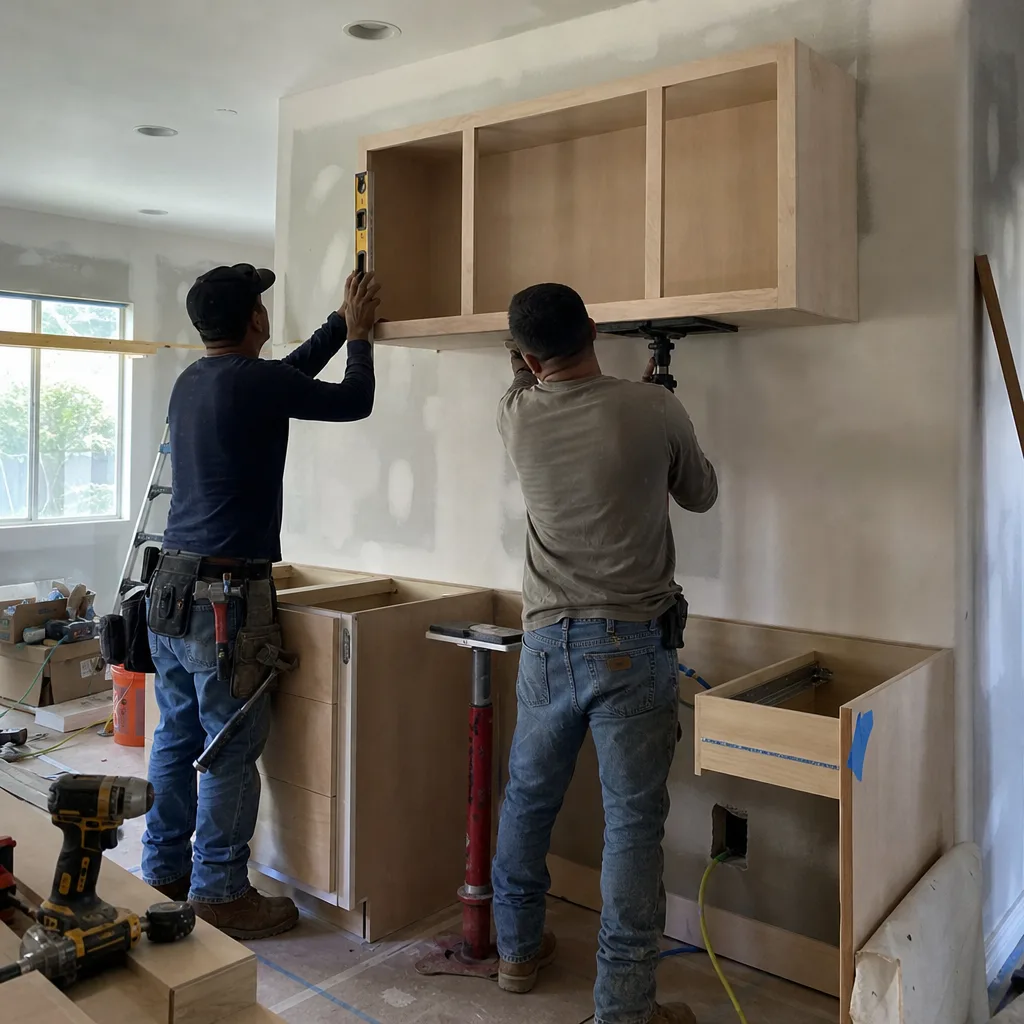
| Finish Carpentry | Built-ins, trim, cabinetry installation | No separate permit, but fire-blocking inspection may apply at wall penetrations |
| Concrete/Hardscape | Driveway, patios, ADU foundation | Impervious surface ratio checked; permeable paver options may preserve square footage |
Pasadena’s Building and Safety Division conducts inspections by appointment, with next-day availability for most trades if scheduled before 3 PM. However, re-inspection fees apply if the work isn’t ready, and failed inspections can cascade through a project schedule. Our crews arrive with the inspection record from the previous visit, photo documentation of any corrections made, and the specific code section the inspector cited. This preparation, included as standard in our documented photo record, has kept our re-inspection rate under 4% across 4,000-plus projects.
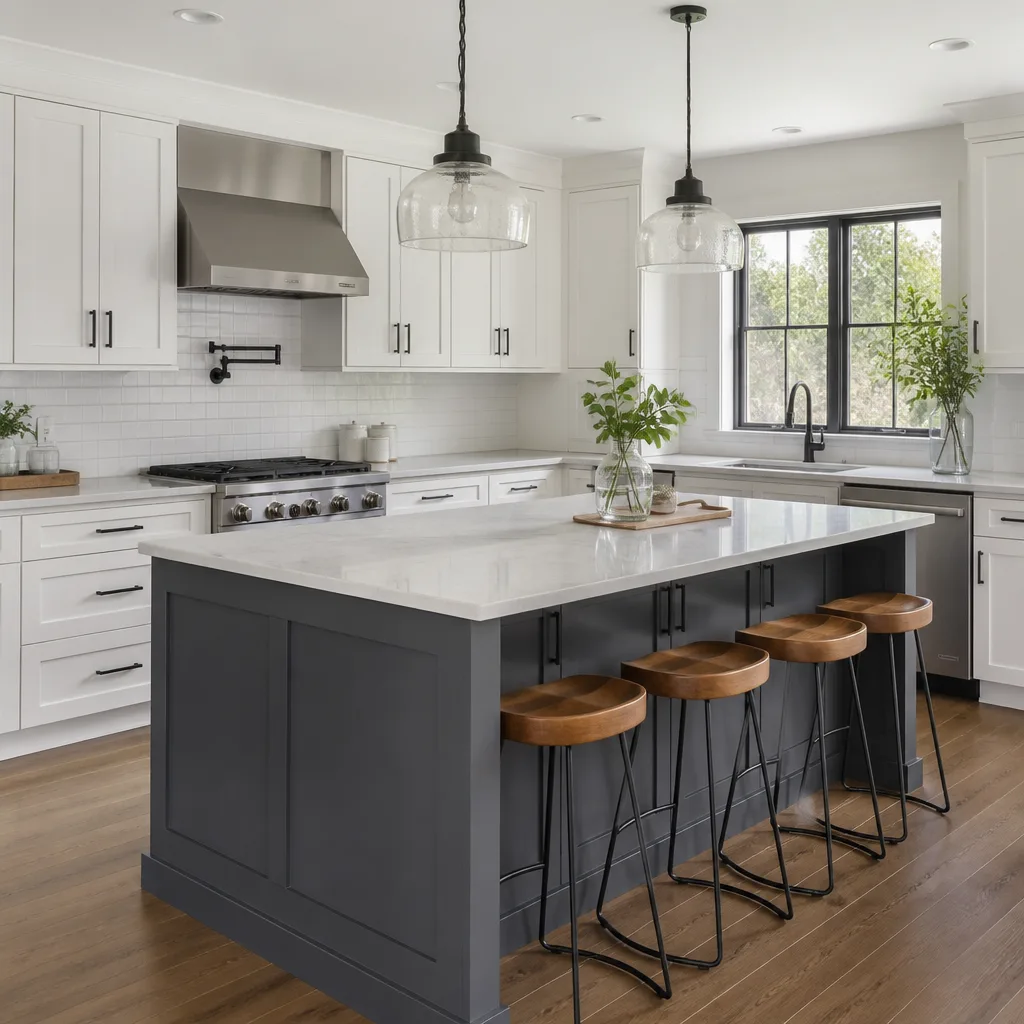
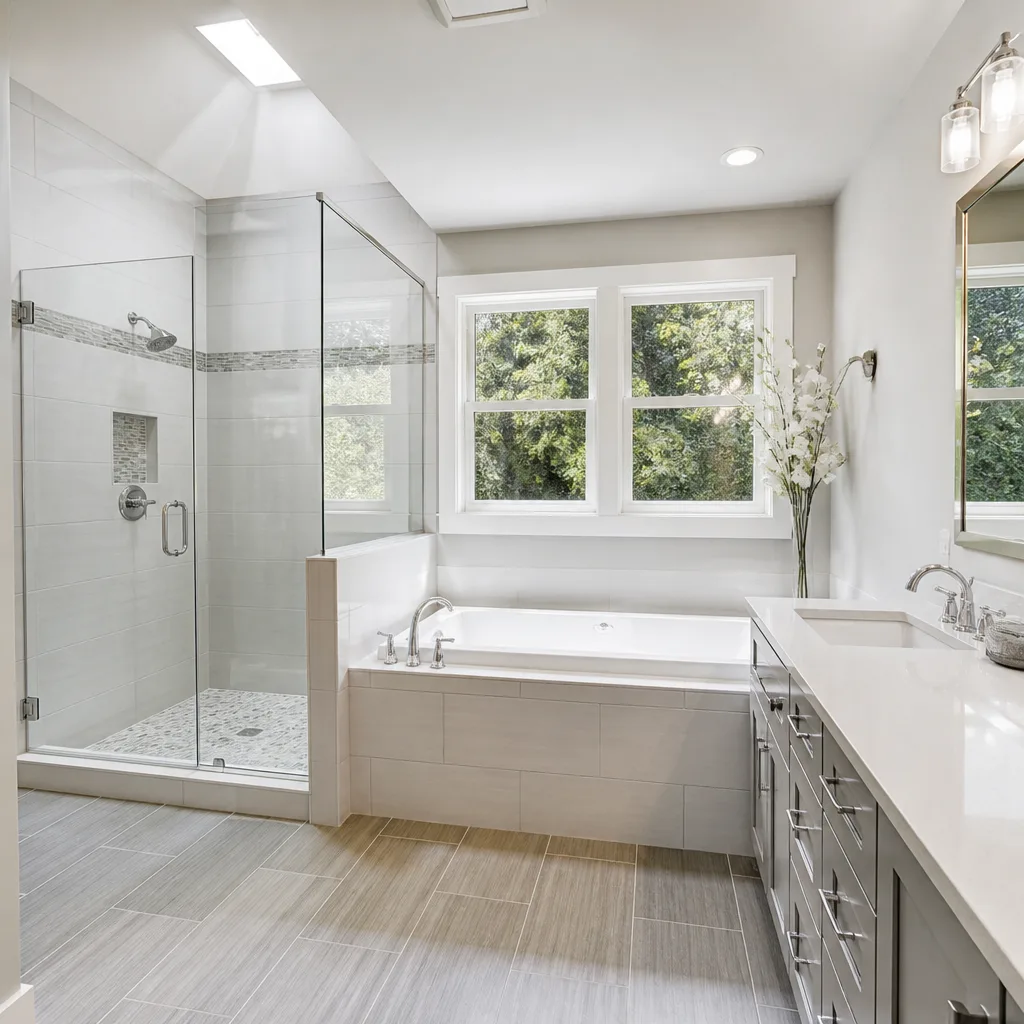
For Kitchen Remodeling in Pasadena and Bathroom Remodeling in Pasadena, the electrical and plumbing sub-permits often drive the critical path. A panel upgrade from 100A to 200A requires Southern California Edison coordination, and their service order backlog in Pasadena has run 4-6 weeks during peak seasons. We verify SCE availability and include that timeline in our written quote, not as an afterthought.
How to Read a Pasadena Construction Bid Line-by-Line
Not all bids use the same pricing structure, and the format reveals who bears the risk when actual costs diverge from estimates. Here’s how to read the two dominant formats we see in Pasadena.
Fixed-price line items assign a specific dollar amount to each scope element: “Remove and replace kitchen subfloor, 180 sq ft, $4,200.” This format transfers risk to the contractor. If the subfloor requires more extensive repair than estimated, the contractor absorbs the overage. Under Clause 1 of the Haven Standard, every Rowan quote uses fixed-price line items for all work that can be reasonably observed during site assessment.
Allowances state a dollar figure the contractor expects you’ll spend, but the actual invoice reflects your final selection: “Tile allowance, $8/sq ft installed, 120 sq ft, $960.” If you select tile at $14/sq ft, you pay the difference plus markup. Allowances are necessary for owner-selected finishes, but they transfer risk to you. A bid heavy on allowances - we’ve seen Pasadena kitchen bids with 60% or more in allowance categories - often signals a contractor who hasn’t invested time in understanding your preferences or who is competing on an artificially low number.
Here’s what to verify in every Pasadena bid:
- HPOZ and permit fees: Are they listed as a fixed cost or excluded with “permit fees extra” language? Pasadena permit fees run 1.5-2.5% of construction value for residential work. Excluding them can understate the true project cost by $3,000-$8,000 on a typical remodel.
- Geotechnical contingency: For foundation or hillside work, is there a line item for unforeseen subsurface conditions, or does the contractor expect you to absorb all overages?
- Utility coordination: Does the bid include SCE, SoCalGas, or Pasadena Water and Power service upgrade timelines and fees, or are these “owner’s responsibility”?
- Waste disposal: Pasadena requires construction debris disposal at approved facilities. Dump fees for a typical kitchen demolition run $800-$1,400. Unspecified disposal costs often reappear as change orders.
- Final cleaning: Post-construction cleaning to a habitable standard should be specified, not assumed.
Our Free Second Opinion on Any Written Estimate exists precisely because we’ve reviewed competitor bids where HPOZ review was omitted entirely, where hillside foundation work carried zero contingency, and where “all tile as selected” masked a $6/sq ft allowance in a neighborhood where comparable installs run $12-$18. We review line by line, at no charge, because an informed customer is the foundation of a project that finishes within a few percent of the agreed price.
Timeline Benchmarks: When Permits Actually Get Approved
Pasadena’s Planning and Community Development Department publishes no guaranteed review timelines. In practice, we’ve tracked the following median ranges across our project history:
| Permit Type | Median Timeline | What Affects Speed |
|---|---|---|
| Over-the-counter (minor electrical, plumbing, mechanical) | 4-8 weeks | Completeness of application; no HPOZ trigger |
| Plan-check residential (kitchen, bath, additions under 1,000 sq ft) | 10-16 weeks | Engineer responsiveness to corrections; HPOZ status |
| Plan-check with HPOZ Certificate of Appropriateness | 16-26 weeks | Commission meeting schedule; revision rounds required |
| ADU (Accessory Dwelling Unit) | 12-20 weeks | State law limits local delay, but utility coordination and fire separation details often extend |
These timelines should appear in every signed contract. A contractor who promises a kitchen remodel “starting next month” in February without verifying HPOZ status or permit queue depth is either uninformed or misleading you. Under the Haven Standard, our contracts include a permit timeline line item with a “no-earlier-than” start date based on verified city queue status at the time of signing.
Pasadena offers an express plan-check program for an additional fee (currently 150% of base permit fees) that reduces review time by roughly 40%. For time-sensitive projects, we evaluate this option with the customer and document the decision in the written scope. It’s not always worth the premium, but the choice should be explicit, not hidden.
Pasadena Climate and Material Selection
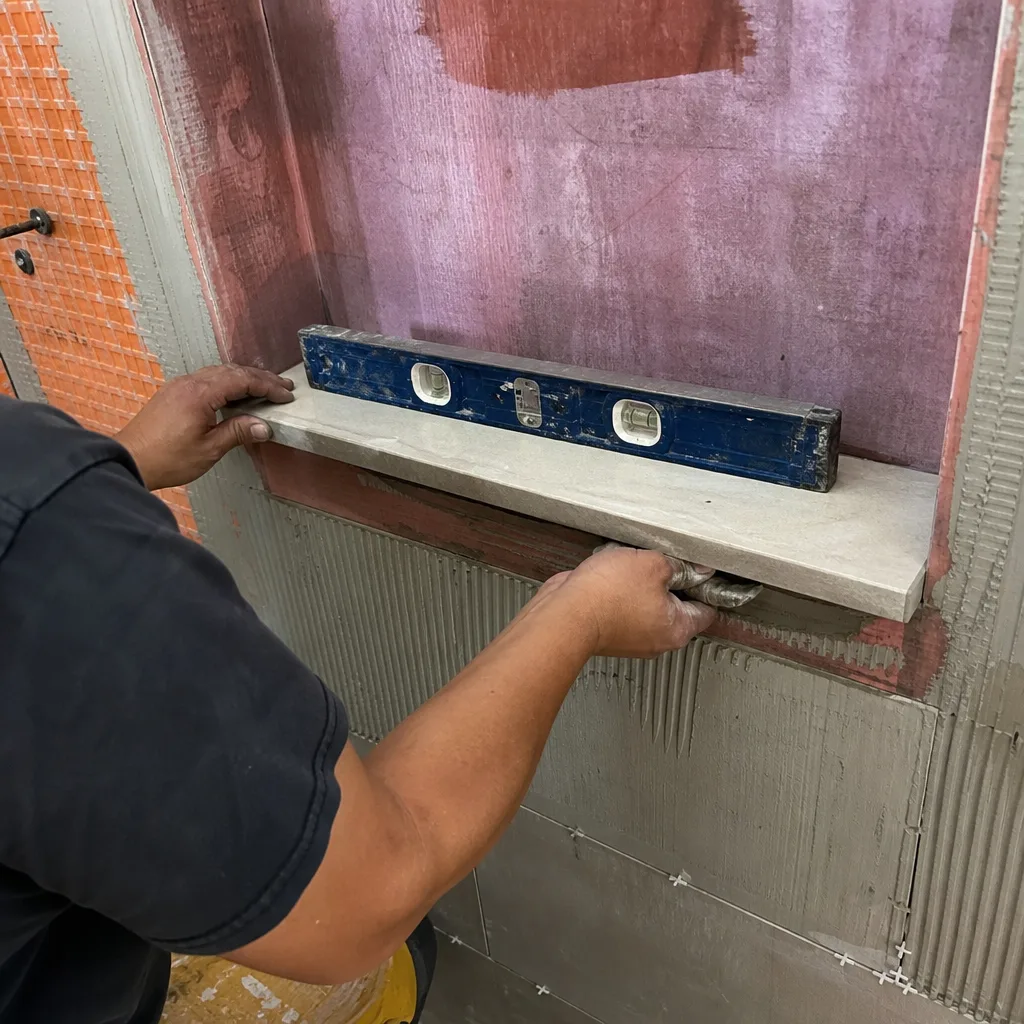
Pasadena’s climate sits in a transition zone that affects material performance more than most homeowners expect. Summer temperatures regularly exceed 95°F, with Santa Ana wind events pushing dry heat past 105°F. Winter brings enough moisture - 18-22 inches annually, concentrated in December through March - to stress materials designed for desert or coastal conditions exclusively.
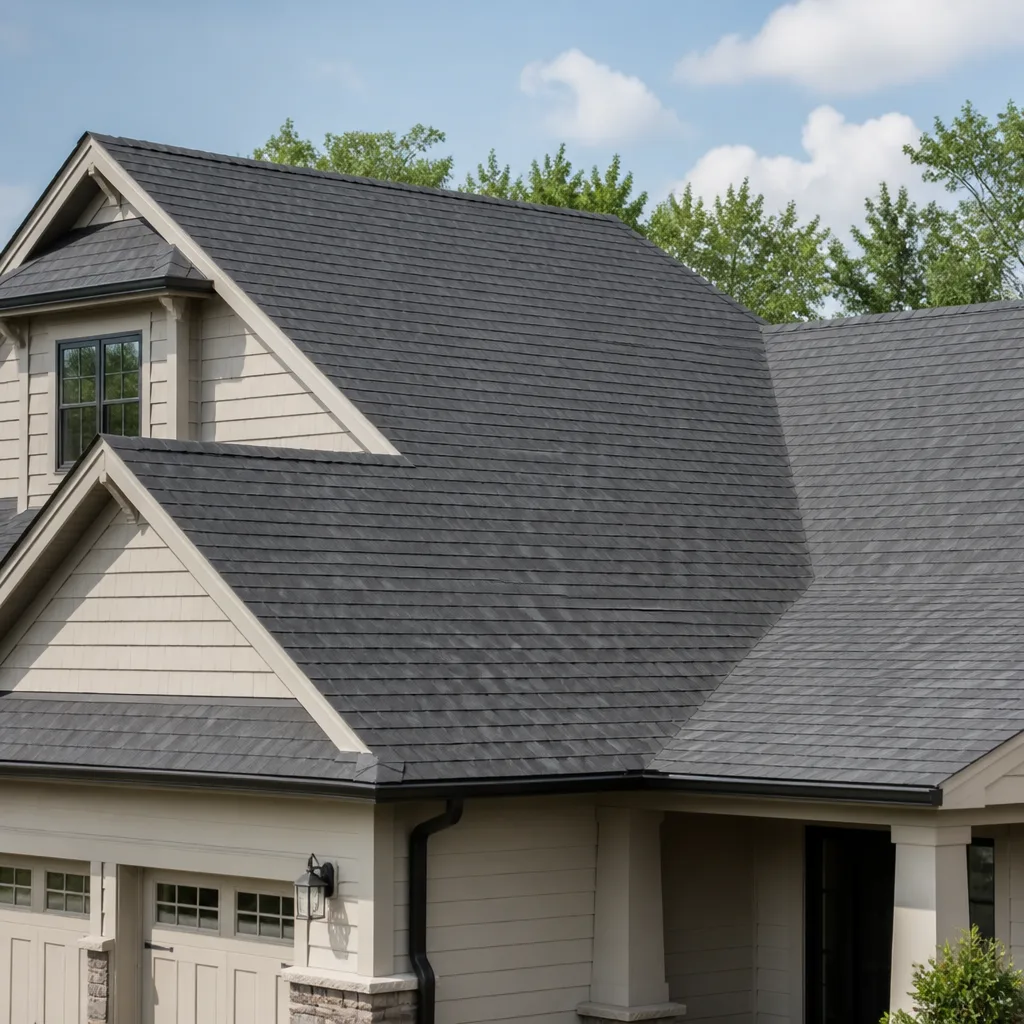
For Roofing in Pasadena, this means thermal cycling is the primary failure mode. Asphalt shingles rated for 20 years in moderate climates often show granule loss and cracking at 12-15 years here. We specify GAF Timberline HDZ or Owens Corning Duration shingles with enhanced nailing zones and StainGuard protection, rated for the thermal stress Pasadena roofs absorb. In hillside areas with wind exposure, we upgrade to six-nail patterns and specify underlayment to ASTM D226 Type II, not the lighter Type I common in bids that compete on material cost alone.
Exterior paint on Pasadena homes faces UV degradation accelerated by altitude - the city sits 864 feet above sea level, with hillside properties exceeding 1,500 feet. We specify 100% acrylic latex with titanium dioxide pigment load above 20% by volume, and we schedule exterior painting for April-May or October-November to avoid the thermal shock of summer application.
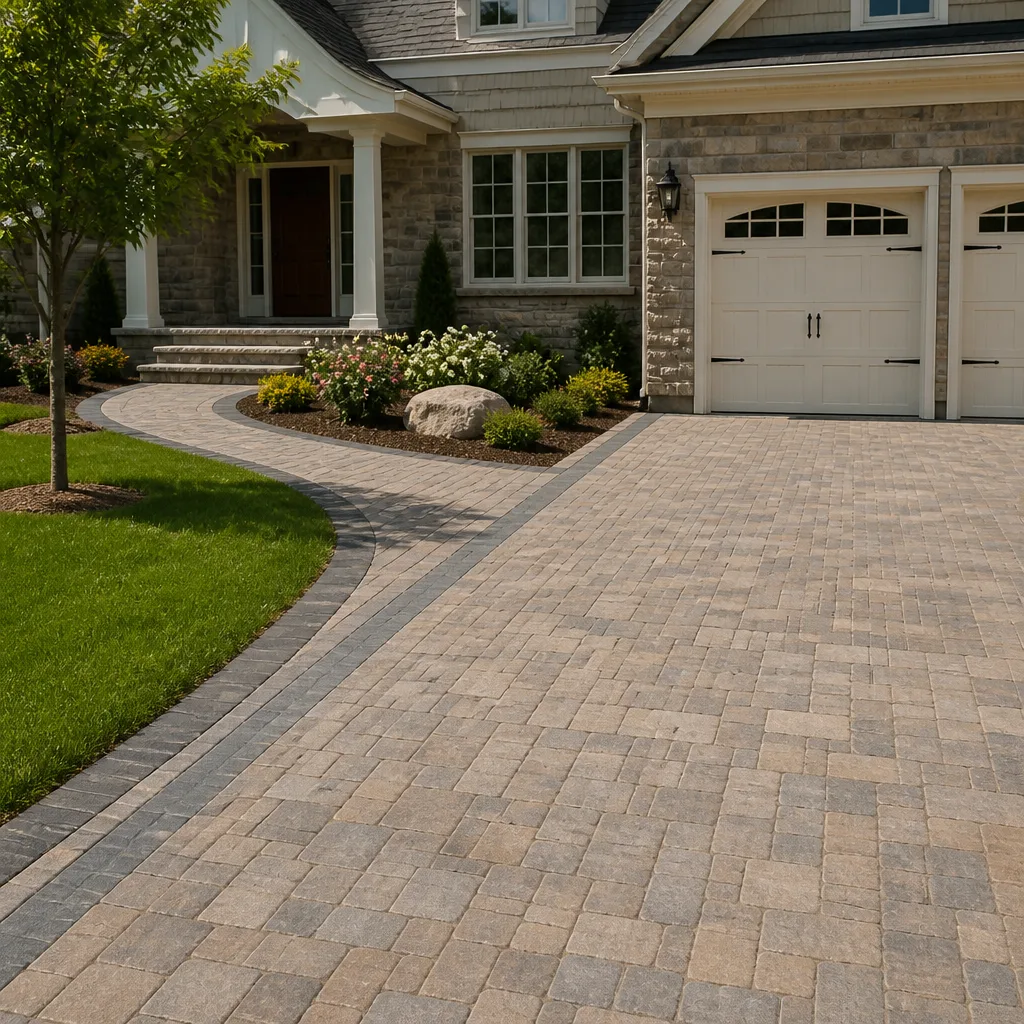
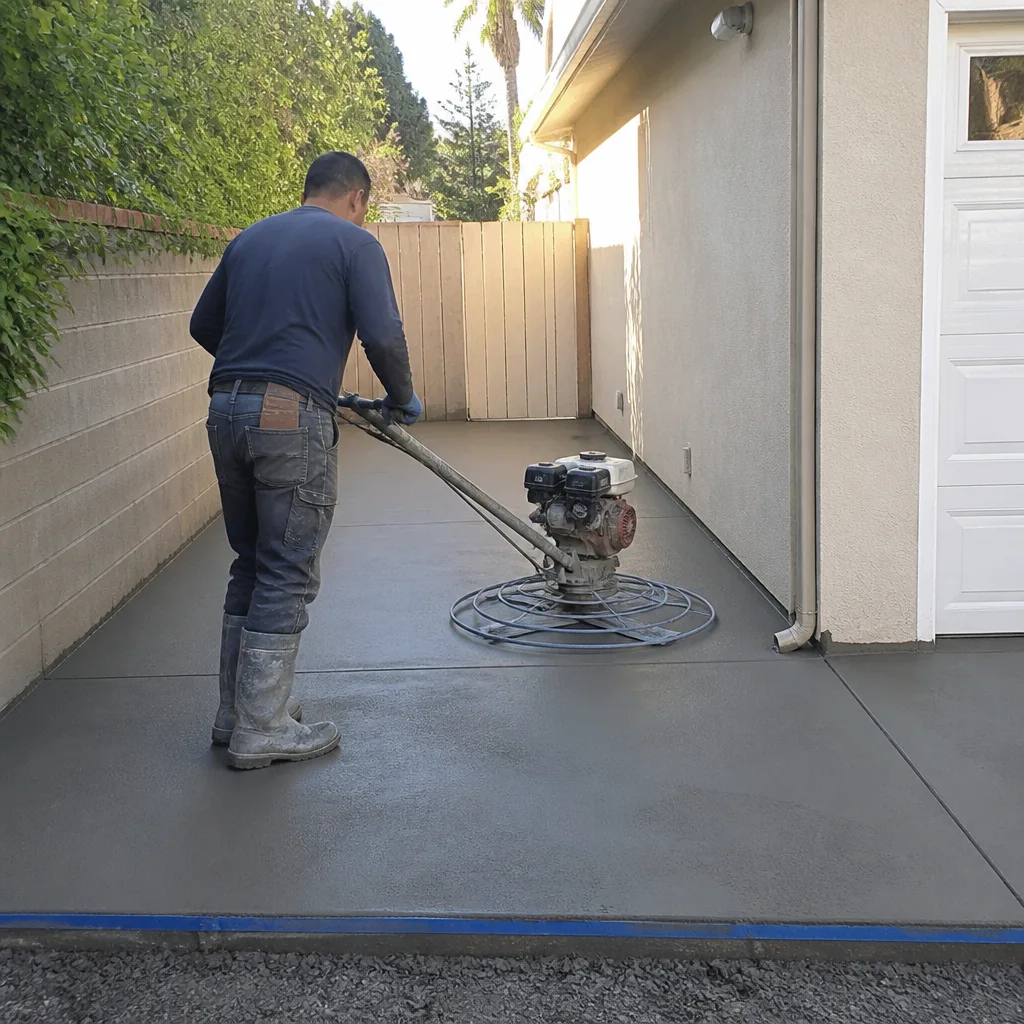
Concrete and paver work in Pasadena must account for expansive soil in the hills and frost-line considerations rare in coastal Southern California. Belgard and Techo-Bloc pavers, installed on a properly compacted base with geotextile separation, perform better than poured concrete in areas with soil movement. The interlocking pattern accommodates minor shifting without the continuous cracks that fracture monolithic slabs. For driveways in the Linda Vista or San Rafael Hills, we typically recommend pavers over concrete and document the soil conditions that support this recommendation in our photo record.
Window and door selection in Pasadena carries both energy and preservation dimensions. Original wood sash windows in HPOZ properties often cannot be replaced with vinyl units without HPOZ denial. We source Marvin Ultimate or Andersen E-Series for historic-compatible replacement, with low-E coatings and argon fill that meet Title 24 requirements while satisfying commission review. The price difference from standard vinyl - typically $400-$700 per opening - should be specified as a fixed line item, not buried in an allowance.
What Construction Costs in Pasadena: Real 2024-2025 Ranges
These ranges reflect our project history across Pasadena since 2022, with prices current as of early 2025. Every project receives a written quote with fixed-price line items before work begins; these ranges help you evaluate whether a bid you’re comparing falls in a reasonable band.
| Project Type | Typical Range | What Drives Variation |
|---|---|---|
| Kitchen remodel, mid-range (150-200 sq ft) | $48,000-$78,000 | Layout change requiring plumbing relocation; custom vs. semi-custom cabinets (KraftMaid, Wellborn) |
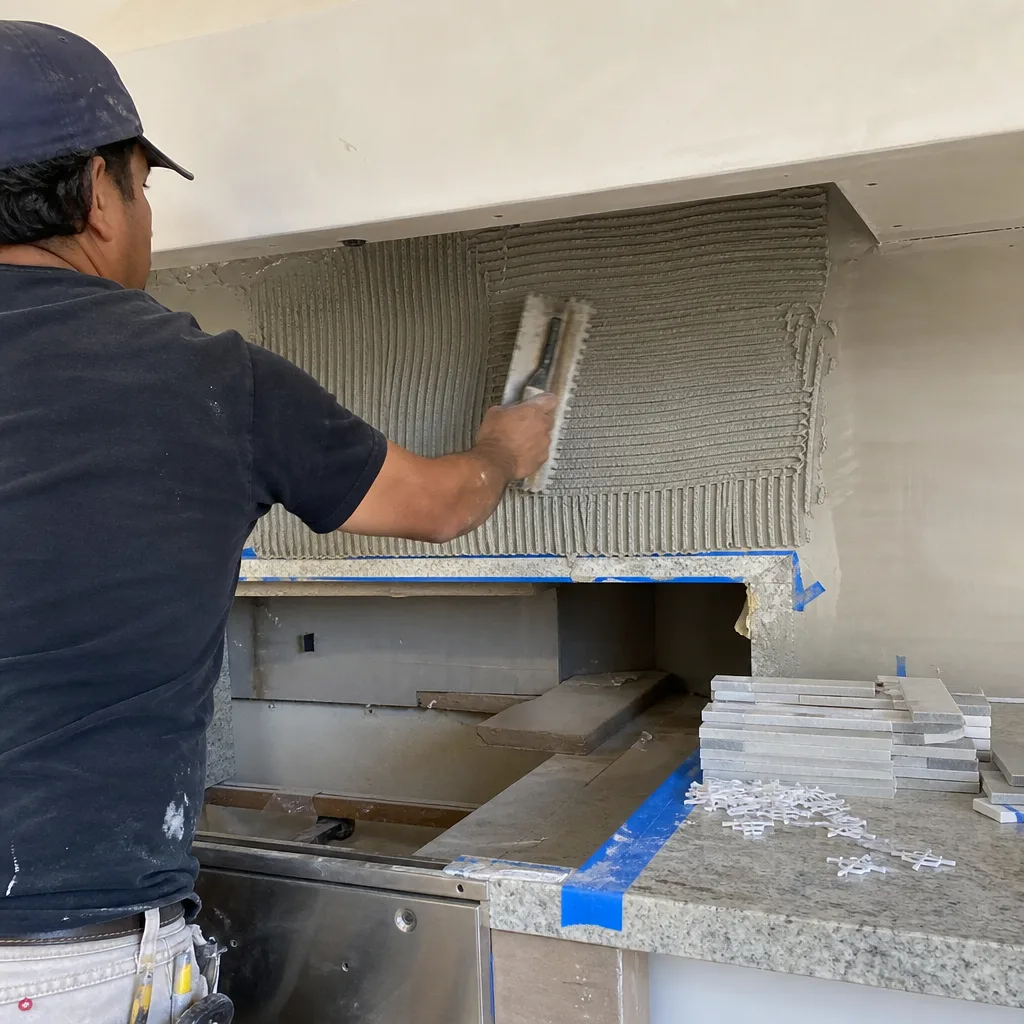
| Bathroom remodel, full (40-80 sq ft) | $22,000-$42,000 | Shower pan rebuild vs. insert; tile field size and pattern complexity; Kohler vs. Toto fixture tier |
| Roof replacement, asphalt shingle (2,000 sq ft) | $14,000-$22,000 | Layer removal (two layers maximum per code); deck repair; ventilation upgrade |
| ADU, detached (400-800 sq ft) | $165,000-$285,000 | Foundation type; utility trenching distance; kitchen and bath finish level |
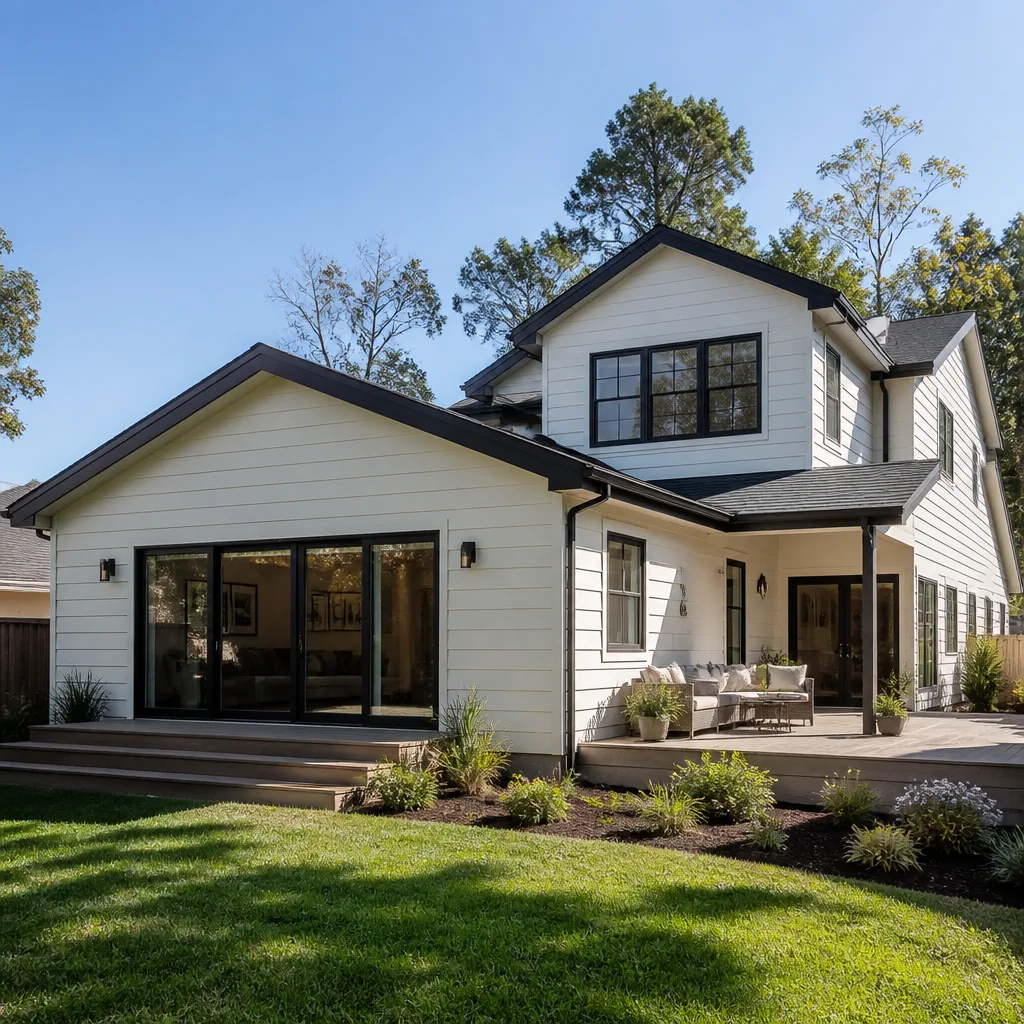
| Home addition, single-story (300-500 sq ft) | $95,000-$165,000 | Foundation tie-in complexity; roof integration; HVAC extension |
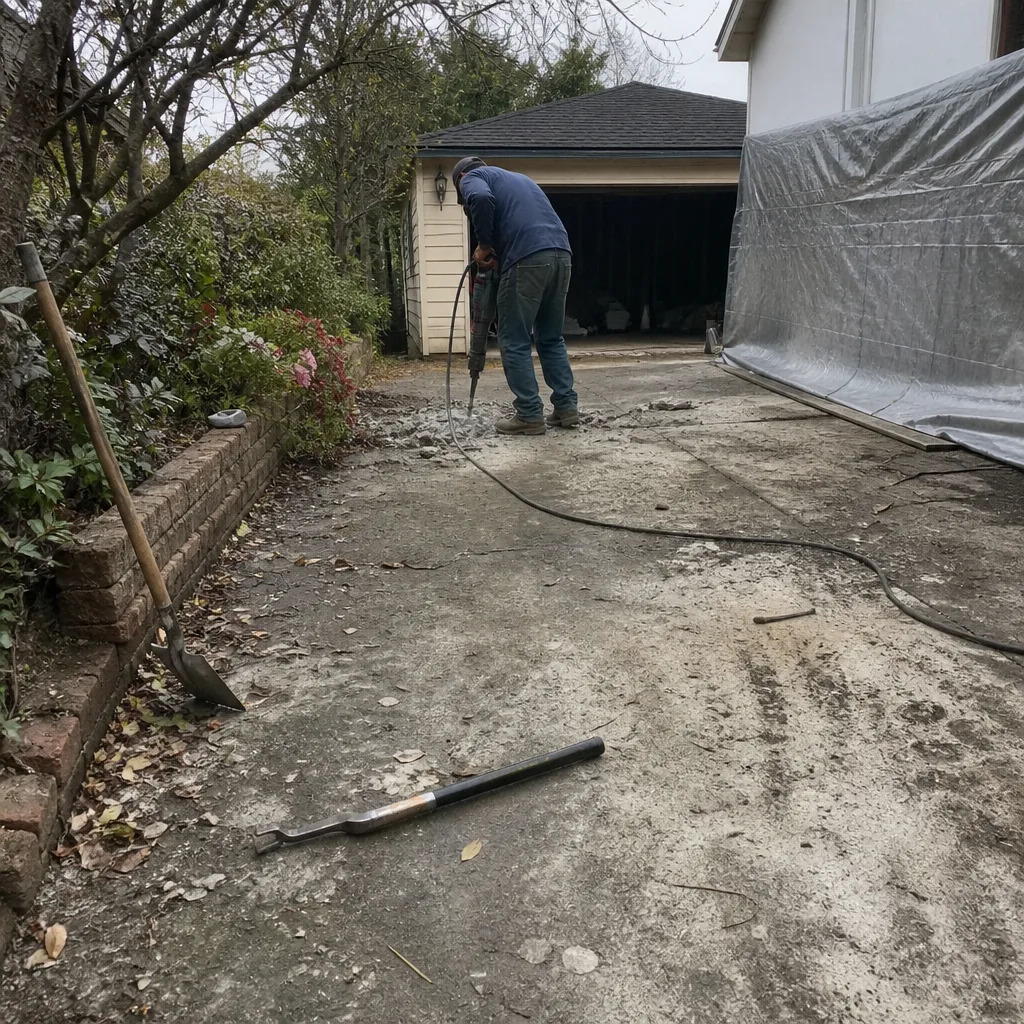
| Driveway replacement, concrete (400-600 sq ft) | $6,500-$11,000 | Base reconstruction; reinforcement; decorative finish (broom, exposed aggregate, stamped) |
| Pavers, permeable installation (400-600 sq ft) | $9,500-$16,000 | Base depth for vehicular load; edge restraint type; pattern complexity |
These ranges include permit fees, standard material selections from our fifty-plus vetted brands, and our documented photo record as standard. They do not include HPOZ application fees ($1,200-$2,800 depending on project scope), geotechnical reports for AP-zone work, or utility service upgrades, which we quote separately when they apply.
The 365-Day Done Right Promise covers all work: if it’s not done right, we make it right. The guarantee is printed on every page and backed by a terms page, not an asterisk. This applies to every trade, from Kitchen Remodeling in Pasadena through Home Additions in Pasadena.
Common Mistakes to Avoid
- Assuming your property isn’t in an HPOZ. Pasadena’s HPOZ boundaries follow historic lot patterns, not current neighborhood names. We’ve seen properties on the same block split between HPOZ and non-HPOZ designation. Verify before signing any contract with a start date.
- Accepting a bid with no permit timeline. A contractor who won’t commit to permit duration in writing is a contractor who hasn’t priced the pre-construction work. This is the most common source of “surprise” delays in Pasadena projects.
- Selecting materials before HPOZ approval. The commission can require material changes for exterior visibility. Finalizing orders before Certificate of Appropriateness issuance risks restocking fees or, worse, installing non-compliant materials that must be removed.
- Ignoring Alquist-Priolo for foundation work. The Raymond Fault trace isn’t intuitive. We’ve seen homeowners pay for foundation designs that required complete revision after geotechnical review revealed AP-zone status.
- Choosing allowances over fixed prices for controllable scope. Demolition, framing, and rough mechanicals can be observed and priced. Heavy allowance structures in these categories often mask contractor uncertainty or competitive low-balling.
- Starting work without signed change orders. Under the Haven Standard, no work proceeds on a change until the change order is signed. This administrative discipline, which Haven acquired Rowan for, is the reason our projects finish within a few percent of the agreed price. Contractors who work on verbal authorization create the conditions for the 40% cost overruns that dominate construction complaint boards.
- Neglecting utility coordination timelines. SCE service upgrades, SoCalGas meter relocations, and Pasadena Water and Power sewer lateral inspections operate on their own schedules. A construction timeline that assumes these move at construction speed will fail.
When to Call a Professional
Call a licensed contractor when your project involves structural modification, foundation work, electrical panel changes, gas line relocation, or any work in a known HPOZ or AP zone. These aren’t aesthetic decisions; they’re regulatory and safety thresholds where amateur work creates liability, delay, and resale complications.
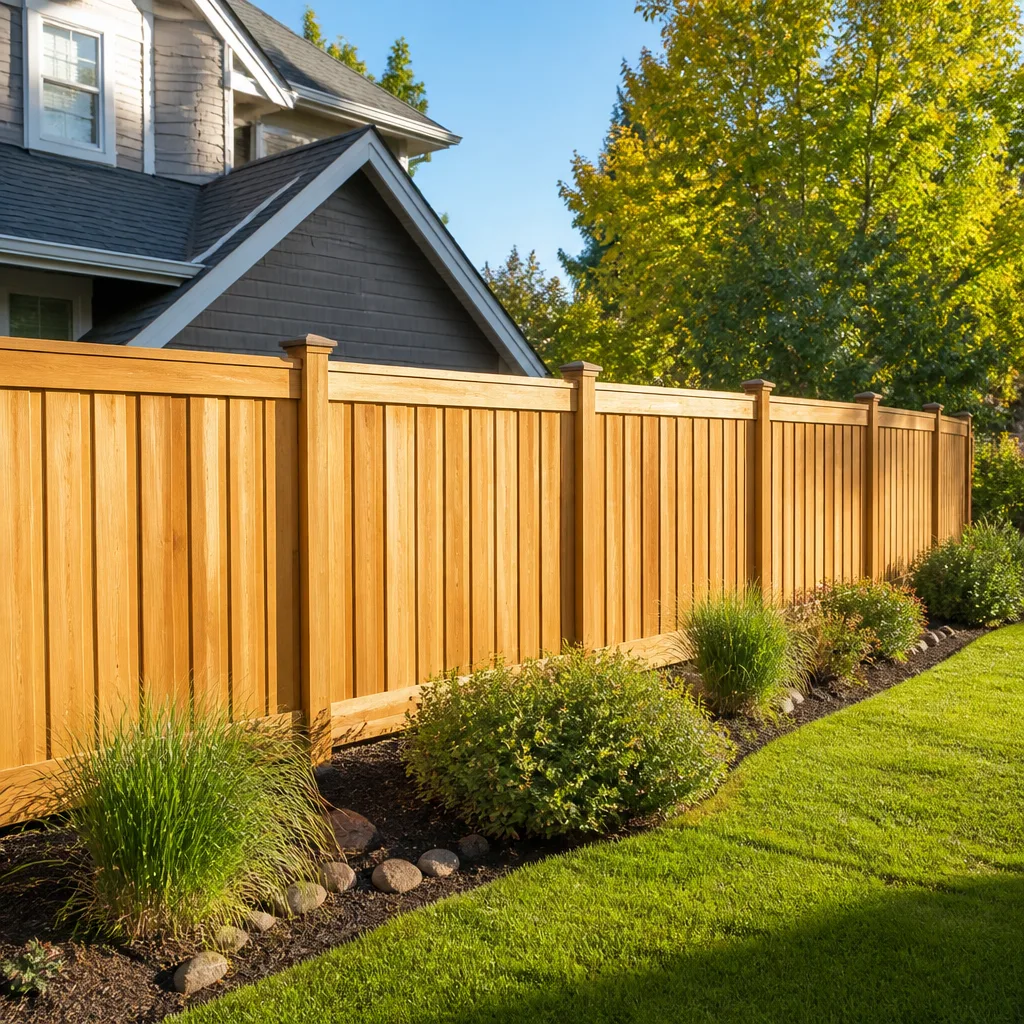
Even for projects you might consider manageable - a bathroom refresh, a fence replacement - Pasadena’s layered requirements reward professional navigation. A fence over 6 feet requires a building permit. A bathroom with any plumbing relocation triggers plumbing and electrical sub-permits. The cost of professional permit management is typically recovered in time saved and violations avoided.
Rowan Construction Group Pasadena offers free estimates in Pasadena. We’ll verify your HPOZ status, check geological constraints, and deliver a written price with fixed line items before any work starts. Call (562) 203-4508 to schedule your assessment. Our calls are answered by a live person 24/7, and every visit includes a documented photo record you’ll receive before we leave the property.
Frequently Asked Questions
A mid-range kitchen remodel in Pasadena typically costs $48,000-$78,000 for a 150-200 square foot space, with variation driven by layout changes, cabinet selection, and appliance relocation. Call (562) 203-4508 for a written quote with fixed-price line items - estimates are free.
No. Historic Preservation Overlay Zone review applies to exterior alterations visible from the public way, demolition, and additions. Pure interior work without exterior modification does not require HPOZ approval, though standard building permits still apply. We verify HPOZ status during our initial site assessment and document it in your written quote.
Over-the-counter permits take 4-8 weeks median; plan-check projects take 10-16 weeks; projects requiring HPOZ approval take 16-26 weeks. These timelines should be specified in your construction contract. Our contracts include permit timeline line items based on verified city queue status at signing.
Under the Haven Standard, no work proceeds on a change until the change order is signed. Fixed-price line items for observable scope don’t change. Unforeseen conditions - hidden water damage, substandard prior work, geological conditions - are addressed with signed change orders, not verbal authorizations. This discipline has kept our projects within a few percent of the agreed price since 2007.
We pull all permits as part of our standard service. The permit application lists Rowan Construction Group as the responsible party, which means we coordinate inspections, respond to corrections, and ensure sign-off. You receive copies of all permits and inspection records as part of your project documentation.
We source across fifty-plus vetted brands including KraftMaid and Wellborn cabinets, Cambria and Caesarstone countertops, GAF and Owens Corning roofing, Kohler and Toto fixtures, and Belgard and Techo-Bloc pavers. For emerging construction methods, we also evaluate manufactured housing options from companies like Dvele and Mighty Buildings for ADU applications where site conditions and code alignment support their use. Every quote specifies the exact brand and model, not generic descriptions.
The Bottom Line
Construction in Pasadena rewards preparation over speed. The city’s historic preservation requirements, geological constraints, and multi-layered permit system create a regulatory environment where contractors who price the homework deliver projects that finish on time and near budget. Those who don’t - who bid standard timelines, who omit HPOZ review, who work on verbal changes - generate the delay and cost overruns that dominate homeowner complaints.
The key takeaways: verify HPOZ status before any timeline commitment; understand whether your property sits in an Alquist-Priolo zone before foundation work is priced; read bids for fixed-price line items versus allowances; and insist that permit timelines appear in your signed contract. These four steps separate projects that proceed from projects that stall.
Rowan Construction Group Pasadena has delivered 4,000-plus projects since 2007, every one with a written price before work started and a documented record when the crew left. The 365-Day Done Right Promise, no-hassle upfront pricing, and Free Second Opinion on any written estimate are standing offers. Call (562) 203-4508 to schedule your free estimate.
Written by Grant Rowan, Owner at Rowan Construction Group Pasadena, serving Pasadena since 2007.