
Last updated September 24, 2026
Free written scope consultation - allowances, timeline, and change-order rules on paper before a single trade is scheduled

 Before
 After
After Before
 After
AfterSeasonal Construction Care for Pasadena: Year-Round Homeowner’s Guide
Pasadena averages 284 sunny days a year. That statistic creates a dangerous calm. Homeowners here skip seasonal maintenance because nothing looks wrong, and that is exactly why deferred-maintenance repair bills in Pasadena run higher than in harsher climates. UV degradation of caulk, roof membrane, and wood trim happens faster in sustained sun than in freeze-thaw zones, it just happens quietly. By the time you notice the stucco crack or the fascia rot, the damage has been seasoning for three summers. In this guide and our The Complete Guide to Construction in Pasadena, we’ll walk through what to inspect, when to inspect it, and how to document it so your maintenance record becomes a resale asset, not a liability.
Quick Answer
Seasonal construction care in Pasadena means four targeted inspection cycles per year: pre-rain exterior sealing in October-November, drainage stress checks during winter storms, post-rain structural assessment for hillside properties in spring, and UV damage prevention on flat roofs and stucco through summer. A documented 12-month maintenance log protects against the concentrated damage that Pasadena’s Mediterranean dry season inflicts silently.
Table of Contents
- October-November: Pre-Rain Season Sealing and Inspection
- December-February: Managing Infrequent but Intense Rain Events
- March-May: Post-Rain Structural Checks for Hillside and Canyon Properties
- June-September: UV and Heat-Cycle Maintenance
- Building Your 12-Month Maintenance Log
- What Seasonal Maintenance Costs in Pasadena
- Common Mistakes to Avoid
- When to Call a Professional
- Frequently Asked Questions
 Before
 After
AfterOctober-November: Pre-Rain Season Sealing and Inspection
The most expensive water-intrusion claims we see in Pasadena start with three items that cost under $200 to address in October and $8,000 to $25,000 to remediate in January. This is not hyperbole. Under Clause 1 of the Haven Standard, we put the repair price in writing before work starts, and we have written quotes for both scenarios across hundreds of Pasadena homes.
Here is the October-November checklist we use on our own properties and recommend to homeowners:
- Roof penetration caulk: Every vent pipe, chimney flashing, and skylight curb has a bead of urethane or silicone sealant. In Pasadena’s UV load, this caulk degrades to a powder in 18 to 36 months. Run a gloved finger along the bead. If it crumbles, it is gone. Re-caulk with a paintable polyurethane like Sikaflex 1a or OSI Quad Max. Do not use big-box silicone on a painted surface; it will not accept paint and will look like a scar.
- Gutter downspout discharge distance: Code in Pasadena requires water to discharge at least 6 feet from the foundation, but the 2023-24 rain season proved that normal-year drainage design fails under stress. Measure your downspout termination. If it dumps within 4 feet of the stem wall, add a corrugated extension or a buried drain line before December. In the Linda Vista and San Rafael hillside areas, we have seen foundation seepage from downspouts that were technically compliant but overwhelmed by consecutive 3-inch storm days.
- Window weep holes: These are the small slits at the bottom of vinyl or aluminum window frames that let condensed water escape. They clog with dust, pollen, and stucco grit. A straightened paper clip clears them in 10 seconds. Blocked weep holes force water into the wall cavity. We have opened walls in Pasadena’s 1920s Spanish Revival homes where the sill plate was punky from years of trapped condensation that the homeowner never saw.
- Stucco control joints and hairline cracks: Walk the exterior with a bright raking light at sunset. Hairline cracks that were invisible in June will open in winter as the wood framing swells. Seal them with Quikrete Stucco Patch or a compatible elastomeric caulk. Do not ignore them. Water enters, freezes rarely but expands when it does, and the crack propagates.
- Flat roof membrane inspection: Pasadena has thousands of mid-century homes with built-up or modified bitumen flat roofs, especially in the Bungalow Heaven and Madison Heights areas. These roofs do not fail dramatically; they pond. After a rare summer rainstorm (or after you run a hose for 10 minutes), look for standing water 48 hours later. Ponding means the roof is no longer draining to the scuppers or interior drains. A flat roof recoating with Henry 887 Tropi-Cool, applied at 1.5 gallons per 100 square feet, can add 5 to 7 years of service life if the substrate is sound.
The October-November window matters because polyurethane caulk needs 24 to 48 hours of dry weather to skin and 7 days to fully cure. Once the winter storm pattern establishes, you are sealing wet surfaces, which is a waste of material and labor.
December-February: Managing Infrequent but Intense Rain Events
Pasadena’s average annual rainfall is 16 inches. The 2023-24 season delivered 38 inches. That is not a marginal difference; it is a stress test that exposed every drainage system designed for normal years. Homes in the Arroyo Seco watershed, in particular, saw water intrusion that had not occurred in the previous decade.
During intense rain events, temporary mitigation is often the only option until a dry window allows permanent repair. Here is what that looks like:
- Interior water intrusion: If water enters at a window or wall joint, apply painter’s tape and polyethylene sheeting as a temporary diverter. Do not caulk the interior side; you will trap water in the wall. Document the entry point with photos for your maintenance log and for your insurance claim if damage is significant.
- Overflowing gutters: If gutters spill over during peak intensity, the downspouts are likely clogged or undersized for the volume. A temporary fix is to remove the downspout elbow and let the gutter dump freely into a splash block positioned well away from the foundation. This is ugly but effective. Permanent fixes include adding a second downspout run or upgrading to 3×4-inch rectangular downspouts from standard 2×3-inch.
- Yard grading reversal: In the Hastings Ranch and Chapman Woods areas, we have seen landscape berms that were designed to retain irrigation water become dams during sustained rain. If water pools against the house, cut a temporary swale with a flat shovel to direct flow to the street or a drainage easement. Photograph before and after.
- Flat roof emergency: If a flat roof develops an active leak and rain is forecast for multiple days, a temporary patch of self-adhering modified bitumen membrane (Grace Ice & Water Shield or similar) can bridge the damaged area until a roofer can apply a permanent repair. This is a stopgap, not a solution. The membrane must be rolled with a hand roller to activate the adhesive; air pockets will trap moisture and accelerate substrate rot.
After any intense rain event, walk the property within 24 hours if safe. Look for new cracks in stucco, soil erosion at the foundation perimeter, and water staining on soffits or ceiling drywall. These are early indicators that your drainage system was overloaded. Document everything. A photo with a date stamp is evidence that protects your insurance position and your resale disclosure.
March-May: Post-Rain Structural Checks for Hillside and Canyon Properties
Pasadena’s hillsides, from La Cañada Flintridge adjacent areas to the canyon rims above the Arroyo, sit on expansive clay soils. These soils shrink in dry summers and swell in wet winters. The 2023-24 rain season saturated soils to depths not seen in years, and the spring drying cycle triggered foundation movement that homeowners misread as normal settling.
Here is what to inspect in March, April, and May:
- Interior door function: Doors that swung freely in September and now stick, rub, or won’t latch are telling you the frame has racked. This is often the first observable symptom of foundation differential movement. Check every interior door, not just the exterior ones. A door that binds at the top corner indicates the slab or stem wall has lifted or dropped on one side.
- Exterior crack mapping: Walk the exterior with your phone and photograph every crack in stucco, concrete flatwork, and masonry. Measure the width with a crack monitor card or even a ruler held in the photo for scale. In our experience across Pasadena’s hillside neighborhoods, cracks that open to 1/8 inch or more in spring and then partially close by August are active and require monitoring. Cracks that do not close are indicating ongoing movement.
- Retaining wall assessment: Hillside homes rely on retaining walls that were often built without modern drainage behind them. Look for wall tilt, cracking in the mortar joints, or soil settling behind the wall that creates a low spot. These walls fail in wet years because hydrostatic pressure builds when the drainage aggregate behind them is clogged with fine soil. A retaining wall that has tilted more than 2 degrees from vertical needs engineering evaluation, not cosmetic repair.
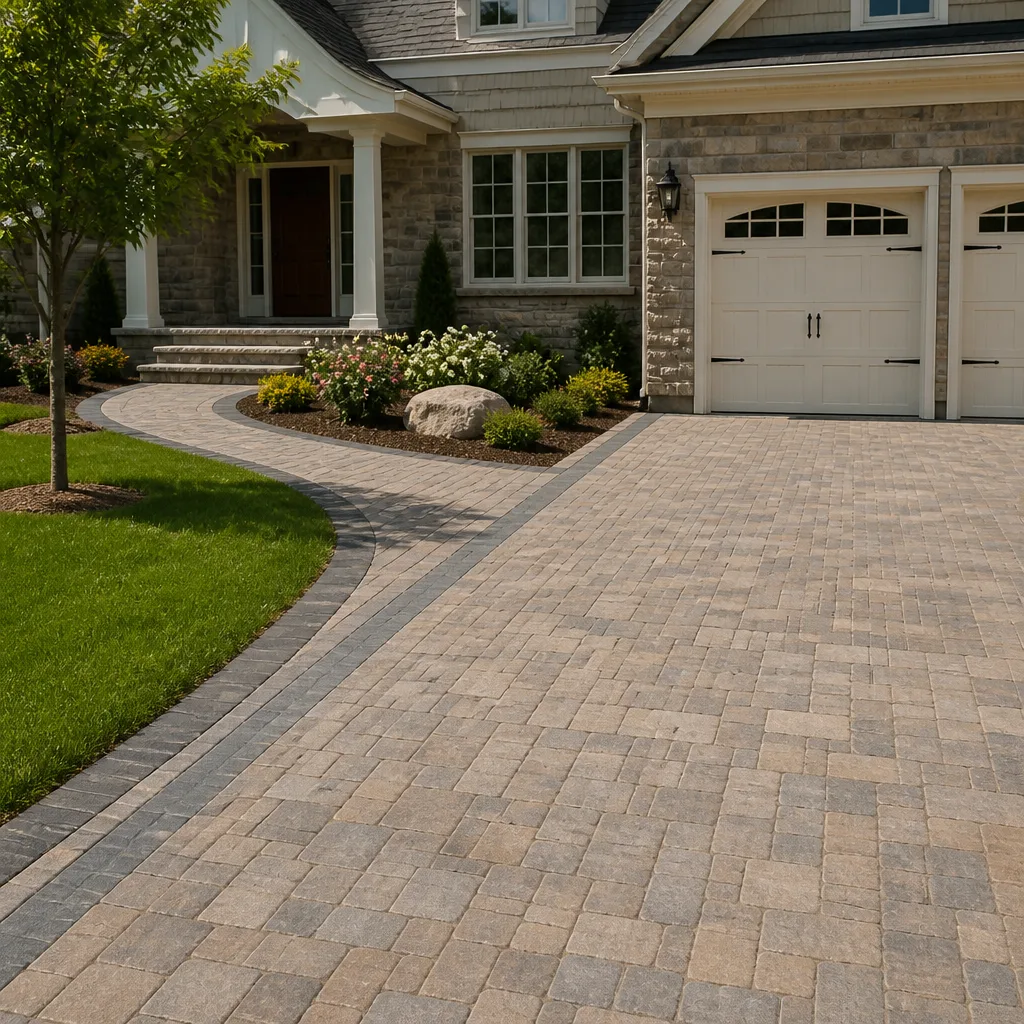
- Concrete flatwork and hardscape: Driveways, patios, and pool decks in Pasadena’s hillside areas often show displacement at control joints after wet winters. A 1/2-inch lip at a control joint is a trip hazard and indicates slab movement. In our work with Belgard and Techo-Bloc paver installations, we specify a 6-inch compacted aggregate base with geotextile separation precisely because Pasadena’s clay soils move seasonally. Concrete slabs without this preparation will crack and shift.
If you observe active movement, do not wait for it to stabilize. Clay soils in Pasadena do not stabilize; they cycle. A structural engineer’s report, typically $800 to $1,500 in this market, becomes a document asset whether you repair or disclose. Under the Haven Standard, we have provided these reports as line items in foundation repair quotes so homeowners know exactly what documentation they are buying.
June-September: UV and Heat-Cycle Maintenance
Pasadena’s summer is not the dramatic heat of Phoenix, but it is sustained. Day after day of 90-plus temperatures with UV index in the extreme range degrades materials differently than intermittent heat. The damage is cumulative and invisible until it is not.
Here is the summer maintenance protocol we follow:
Stucco and exterior coatings: Traditional Portland cement stucco in Pasadena’s sun load should be recoated with an elastomeric paint or coating every 7 to 10 years. The product we specify most often is Quikrete’s elastomeric line or comparable, applied at the manufacturer’s stated spread rate. Do not thin it. The coating’s thickness is what bridges hairline cracks. A thin coat fails in two years and looks worse than nothing. In the 2023-24 season, we recoated a 1950s ranch in the Caltech vicinity where the previous owner had applied a cheap acrylic latex thinned 20%. It was chalking and cracking after 18 months. We stripped to bare stucco and started over. The written quote included the strip, the prime, and two coats of elastomeric with a 7-year material warranty.
Wood fascia and trim: Redwood and cedar trim in Pasadena’s UV load need inspection every June. Look for end-grain checking, the small splits that open at board ends. These are entry points for water when rain returns. Sand to bare wood, prime with an oil-based primer, and apply two coats of acrylic latex with UV inhibitors. If the fascia is wrapped in aluminum, check the corner miters. Thermal expansion opens these joints in summer, and wasps build nests behind them.
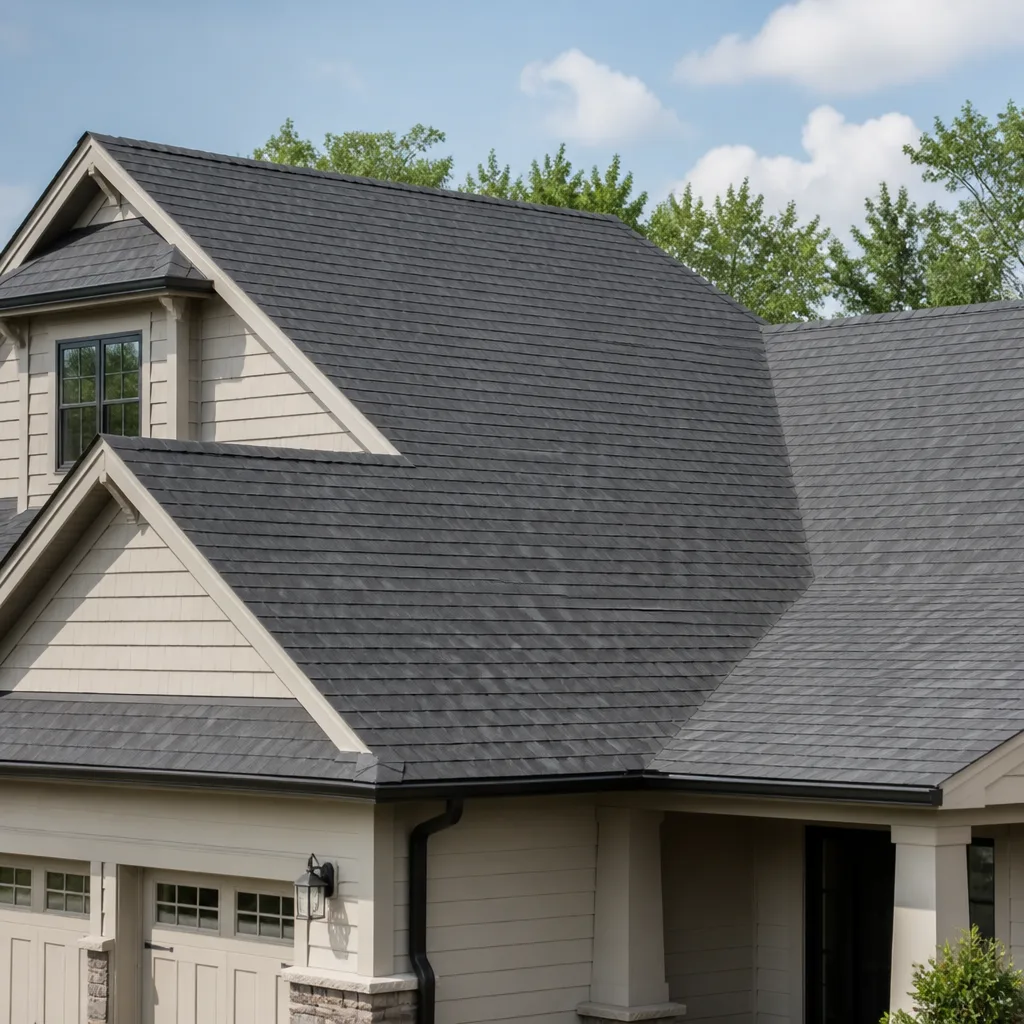
Flat roof membranes: For TPO (thermoplastic polyolefin) roofs, the white membrane that is common on Pasadena’s modern additions and ADUs, summer is when seam failures appear. The heat softens the membrane and stress on poorly welded seams becomes visible as a slight lift or bubble. GAF’s TPO system, which we install on Roofing in Pasadena projects, requires seam probing with a blunt tool as part of annual maintenance. A failed seam is a future leak. It is repairable with hot-air welding if caught early; if left, it requires a membrane patch that is visible and shortens roof life.
Window and door sealant: The same UV that degrades roof caulk attacks perimeter sealant around windows and doors. In June, run a putty knife along the exterior sealant bead. If it separates from the frame or the substrate, remove and replace. We use OSI Quad Max for most applications; it has a 50-year durability rating and accepts paint after 24 hours. For Kitchen Remodeling in Pasadena projects where we install new windows as part of the scope, we include this inspection in the 365-Day Done Right Promise follow-up.
Exterior hardware and fasteners: Gate hinges, latches, and fence fasteners in Pasadena’s sun load corrode faster than inland homeowners expect. The dry heat does not prevent corrosion; it accelerates it when combined with occasional marine layer moisture. Stainless steel hardware is worth the upgrade on fence and gate installations. On Rowan Construction Group Pasadena home projects, we specify Grade 316 stainless for coastal-exposed hardware, not the more common 304.
Building Your 12-Month Maintenance Log
A maintenance log is not a diary. It is a document asset that transfers to the next owner and supports your disclosure position. In Pasadena’s competitive resale market, a verified maintenance record distinguishes your listing from the verbal assurances that buyers have learned to distrust.
Here is the format we recommend, based on the documentation we provide on every Rowan Construction Group project:
- Date-stamped photos: Every inspection gets 10 to 20 photos minimum, stored in a cloud folder with the date in the filename. Include wide shots for location context and close-ups for condition detail. A photo of a roof vent with the date and a note “caulk bead intact, no cracking” is evidence.
- Written observations: One paragraph per inspection, plain language, no interpretation. “South fascia, east end: 3-inch end-grain check visible, no rot, primed and painted 6/15/2024.” This is what we mean by saying what we found, not what we felt about it.
- Receipts and warranties: Every product used, every contractor visit, every warranty document gets scanned and filed. The Henry 887 recoat has a material warranty if applied to spec; you need the receipt and the batch number to claim it. The GAF TPO roof has a system warranty that requires documented annual inspection. File these.
- Change order record: If you hire work done, the change order discipline that Haven acquired Rowan for is the model. No work proceeds without a written scope and signed authorization. Your log should include these documents. They prove what was done, when, and for what price.
- Professional reports: Structural engineer reports, termite inspections, roof certifications. These have shelf lives (a roof cert is typically good for 2 to 5 years depending on insurer) and should be renewed and filed.
In our experience across 4,000-plus projects, homeowners who maintain this log sell faster and with fewer inspection objections. The buyer’s agent sees documentation instead of disclosure ambiguity, and the transaction moves.
What Seasonal Maintenance Costs in Pasadena
We put prices in writing before work starts. Here are the ranges we have quoted for seasonal maintenance items in Pasadena over the past 24 months. These are flat prices with written scope, not estimates that change.
| Service | Typical Range in Pasadena | Notes |
|---|---|---|
| Roof penetration re-caulk (typical home, 4-6 penetrations) | $180 – $340 | Polyurethane caulk, clean and prime as needed |
| Gutter downspout extension (per downspout) | $85 – $150 | Corrugated or PVC, includes securement |
| Flat roof recoat, Henry 887 (per 100 sq ft) | $450 – $650 | Includes cleaning, primer if needed, two coats |
| Stucco crack repair and elastomeric recoat (typical 2,000 sq ft home) | $3,200 – $5,800 | Prep, patch, prime, two coats; varies by access |
| Window weep hole clearing and track service (per window) | $25 – $45 | Typically bundled in larger service calls |
| Structural engineer evaluation, foundation | $800 – $1,500 | Written report with photos and recommendations |
| Retaining wall drainage retrofit (per linear foot) | $65 – $120 | Excavation behind wall, new aggregate and drain pipe |
| Full seasonal inspection and documentation package | $350 – $550 | Written report with 20+ photos, maintenance recommendations |
These ranges reflect Pasadena’s labor market and material costs as of 2024-2025. They will move with inflation, but the discipline of a written price before work starts does not. Under Clause 1 of the Haven Standard, the quote you receive is the price you pay, with change orders signed before any additional work proceeds.
For homeowners comparing quotes, we offer a Free Second Opinion on any written estimate. Bring a competitor’s line-item quote and we will review it against our pricing and scope at no charge. This is not a sales tactic; it is a documentation discipline. We have had homeowners discover that a competitor’s “flat roof recoat” quote did not include cleaning or primer, which means the warranty is void before application.
Common Mistakes to Avoid
- Waiting for visible damage: In Pasadena’s climate, the damage that matters is hidden. By the time stucco cracks are visible from the sidewalk, the paper lath behind them has been compromised for two seasons. Inspect before you see problems.
- Using interior caulk outdoors: Acrylic latex caulk labeled “paintable” is not UV-stable. It will crack and fail in one Pasadena summer. Use polyurethane or specified hybrid sealants for all exterior applications.
- Ignoring flat roofs until they leak: Flat roofs in Pasadena do not give early warning. They pond, then they leak, then they require full replacement. Annual inspection and recoat at 5- to 7-year intervals costs 15% of replacement.
- Assuming hillside stability: Pasadena’s canyon and hillside properties, particularly above the 210 corridor and in the Linda Vista area, move seasonally. A door that sticks in spring and frees in fall is not “settling.” It is active foundation movement that needs evaluation.
- Skipping documentation: Verbal assurances to a buyer are worthless in Pasadena’s disclosure environment. A maintenance log with date-stamped photos and receipts is a transferable asset. Without it, you are selling uncertainty.
- DIY roof work on steep pitches: Pasadena’s Spanish Revival and Craftsman homes often have roof pitches above 6:12. Falls from these heights cause serious injury. We have seen homeowners attempt gutter cleaning from a 20-foot extension ladder on uneven hillside grading. The savings are not worth the risk. Our crews are trained, equipped, and insured for this work.
- Neglecting weep holes after painting: Painters tape over weep holes, or elastomeric coating applied too thick at the sill, blocks drainage. After any exterior painting or coating, verify weep holes are open with a paper clip.
When to Call a Professional
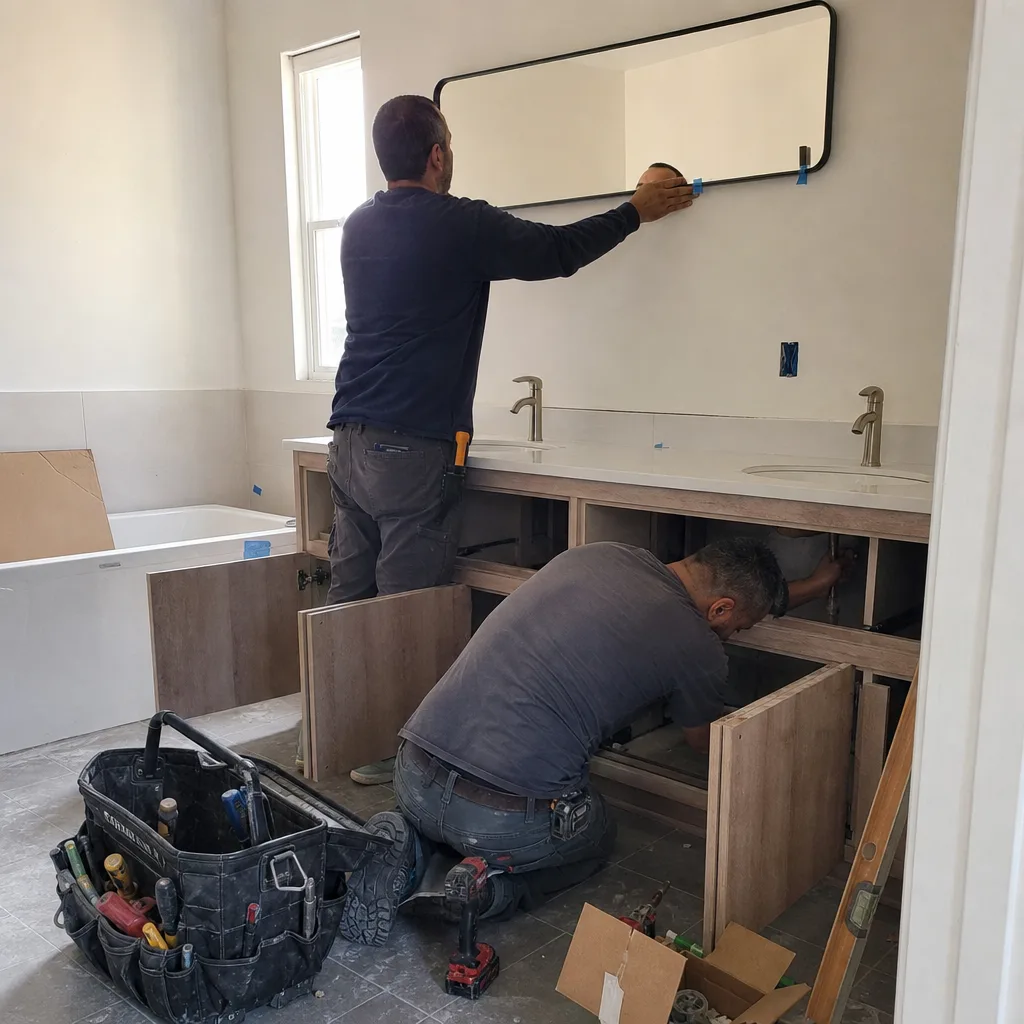
Some seasonal maintenance is within a capable homeowner’s range. Some is not, and the boundary is not about skill; it is about risk and documentation.
Call a professional when: water intrusion is active and the source is not obvious; a door or window has racked beyond 1/4 inch and the cause is structural; a retaining wall shows tilt or significant cracking; a flat roof has ponding or seam failure; any work requires ladder access above a single story or roof access on a pitch steeper than 4:12; or you need a documented report for insurance or resale.
Rowan Construction Group Pasadena offers free estimates in Pasadena. A crew member will walk your property, photograph conditions, and deliver a written quote with line-item scope. Call (562) 203-4508 to schedule. Every visit includes a documented photo record as standard, not an upgrade, and every quote is a flat price with written warranty before any work starts.
Frequently Asked Questions
Seasonal roof maintenance in Pasadena typically ranges from $180 for penetration re-caulking to $650 per 100 square feet for flat roof recoat with Henry 887. A full inspection and documentation package runs $350 to $550. Call (562) 203-4508 for an exact quote; estimates are free and include a written scope.
No. Pasadena’s infrequent but intense rain events, like the 38 inches in 2023-24 versus the 16-inch average, stress drainage systems designed for normal years. The mild dry seasons also concentrate UV damage that cracks sealants and degrades membranes silently. Maintenance is not about average conditions; it is about protecting against the stress events that define repair costs.
Active foundation movement in Pasadena’s clay soils shows as seasonal cycling: doors that stick in spring and free in fall, cracks that open and close, or exterior cracks that propagate rather than remain static. True settling is minimal after the first 2 to 3 years and does not cycle. If you observe seasonal patterns, a structural engineer’s evaluation, $800 to $1,500, provides documentation and peace of mind.
Henry 887 Tropi-Cool is the product we specify most often for Pasadena flat roofs, applied at 1.5 gallons per 100 square feet in two coats. It has a high reflectivity that reduces thermal cycling stress and a material warranty when applied to manufacturer’s spec. For TPO membrane roofs, maintenance is seam inspection and repair rather than recoat; we install and service GAF TPO systems in Pasadena.
Under Clause 1 of the Haven Standard, the written price is the price. No change proceeds without a signed change order. This discipline is why Rowan’s projects finish within a few percent of the agreed cost across 4,000-plus jobs. If we find concealed damage during maintenance work, we document it, quote the repair separately, and obtain signed authorization before proceeding.
Inspect stucco in Pasadena every June for UV damage and every October for crack sealing before rain. Elastomeric recoat is typically needed every 7 to 10 years depending on exposure. South and west elevations degrade fastest. A documented inspection with photos takes 30 minutes and prevents the moisture intrusion that leads to $15,000-plus remediation.
Pure maintenance, like caulk replacement, gutter extension, and crack sealing, does not require permits in Pasadena. Structural repairs, retaining wall modifications, and roof replacement do. Rowan Construction Group pulls all required permits and schedules inspections as part of our written scope; see Construction Permits, Codes & Inspections in CA: What You Need to Know for details. The permit status is documented in your project record.
The Bottom Line
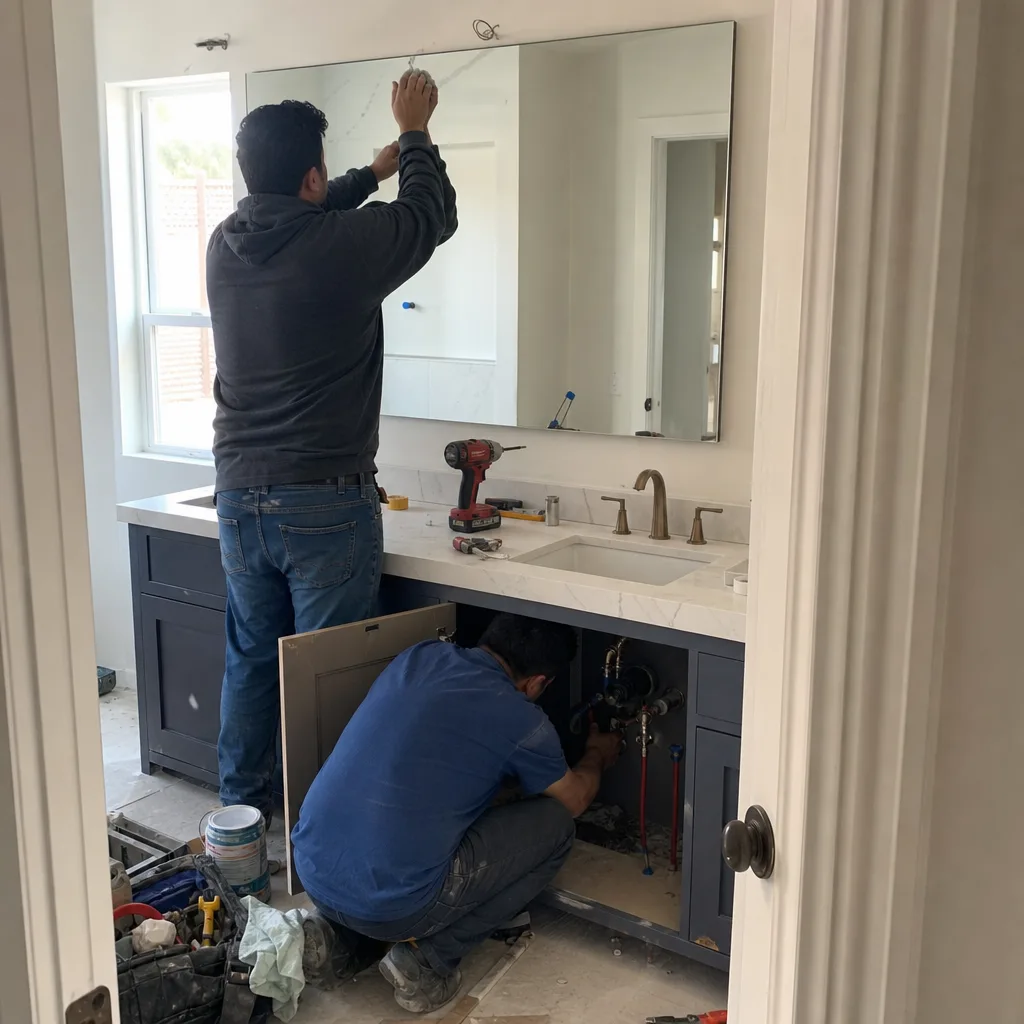
Pasadena’s 284 sunny days are not a reprieve from maintenance; they are a concentrated stressor that degrades building materials quietly. The homeowners who avoid deferred-maintenance disasters are those who inspect on a schedule, document what they find, and address small failures before they become structural problems; find more guides & resources on our blog. A 12-month maintenance log with date-stamped photos, receipts, and professional reports becomes a resale asset that distinguishes your property in a market where buyers have learned to distrust verbal assurances. The cost of seasonal maintenance is predictable. The cost of deferred maintenance is not. Under the Haven Standard, we put the predictable number in writing before any work starts.
Call (562) 203-4508 to schedule your free estimate. A background-checked, uniformed technician will walk your property, document conditions with photos, and deliver a written quote with line-item scope and warranty. The 365-Day Done Right Promise applies to every project: if it is not done right, Rowan makes it right, backed by The Haven Standard, not a handshake.
Written by Grant Rowan, Owner at Rowan Construction Group Pasadena, serving Pasadena since 2007.